HSS Jobber Drill Bit - Professional High-Speed Steel Drilling Solutions for Metal and Wood

All Categories

hss jobber drill bit

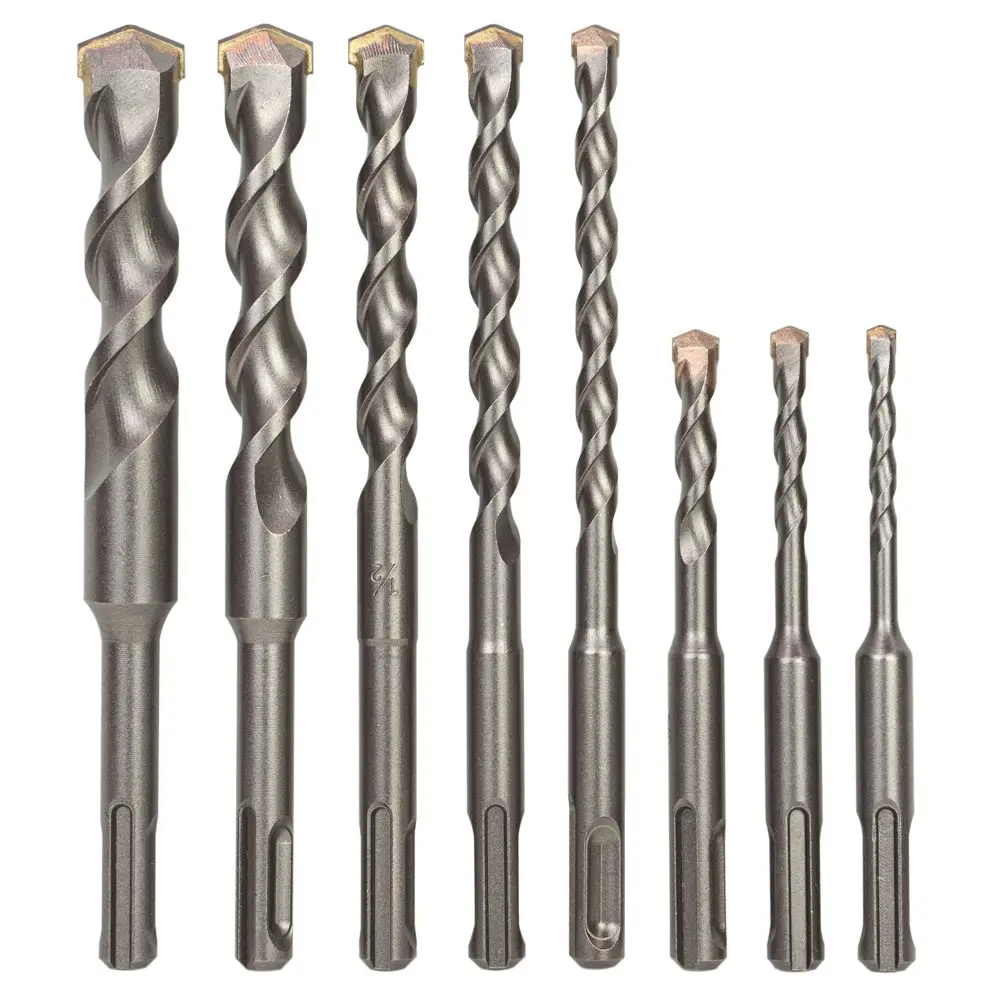
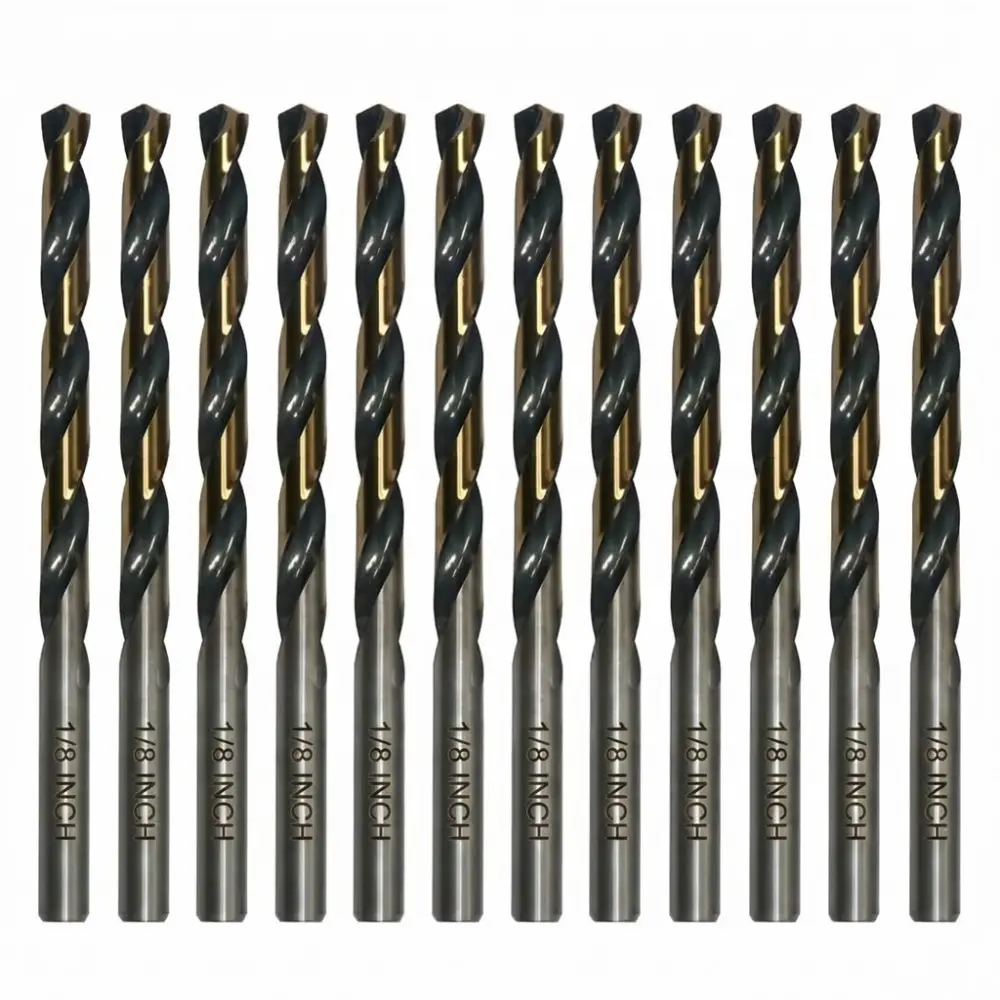
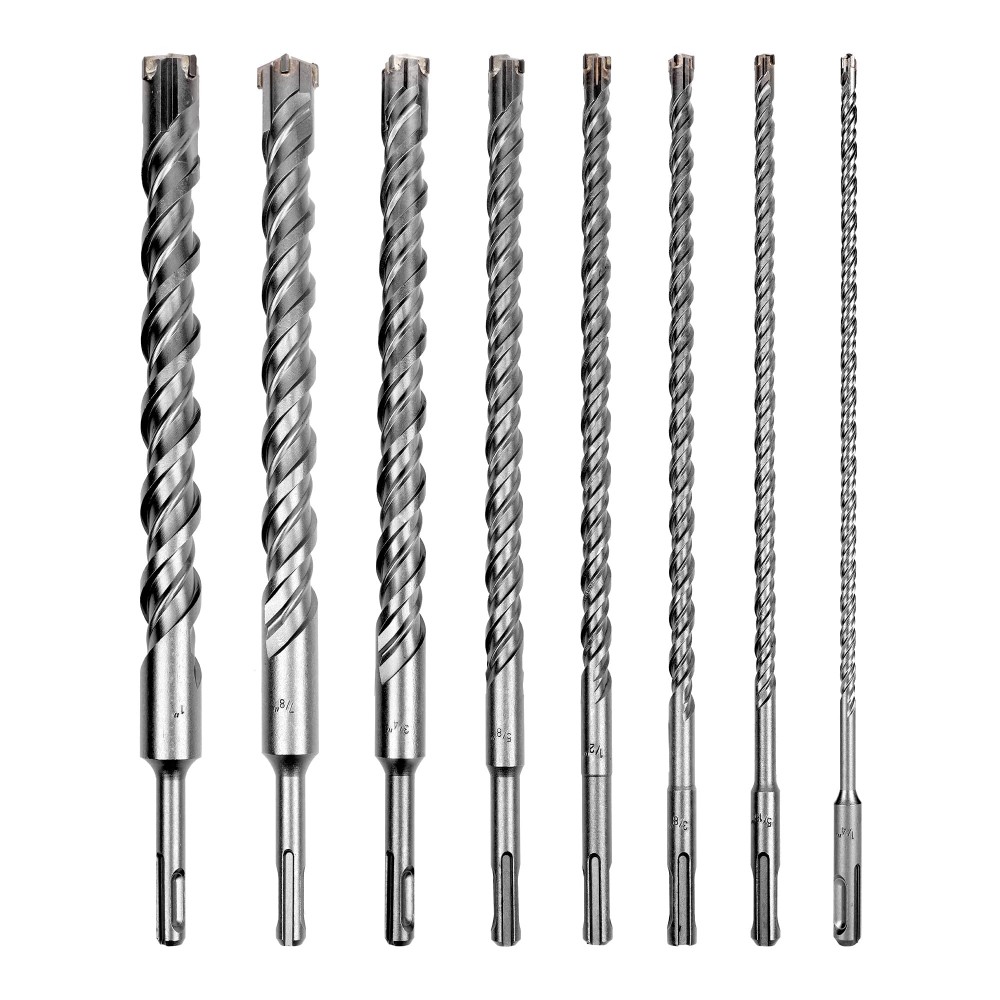
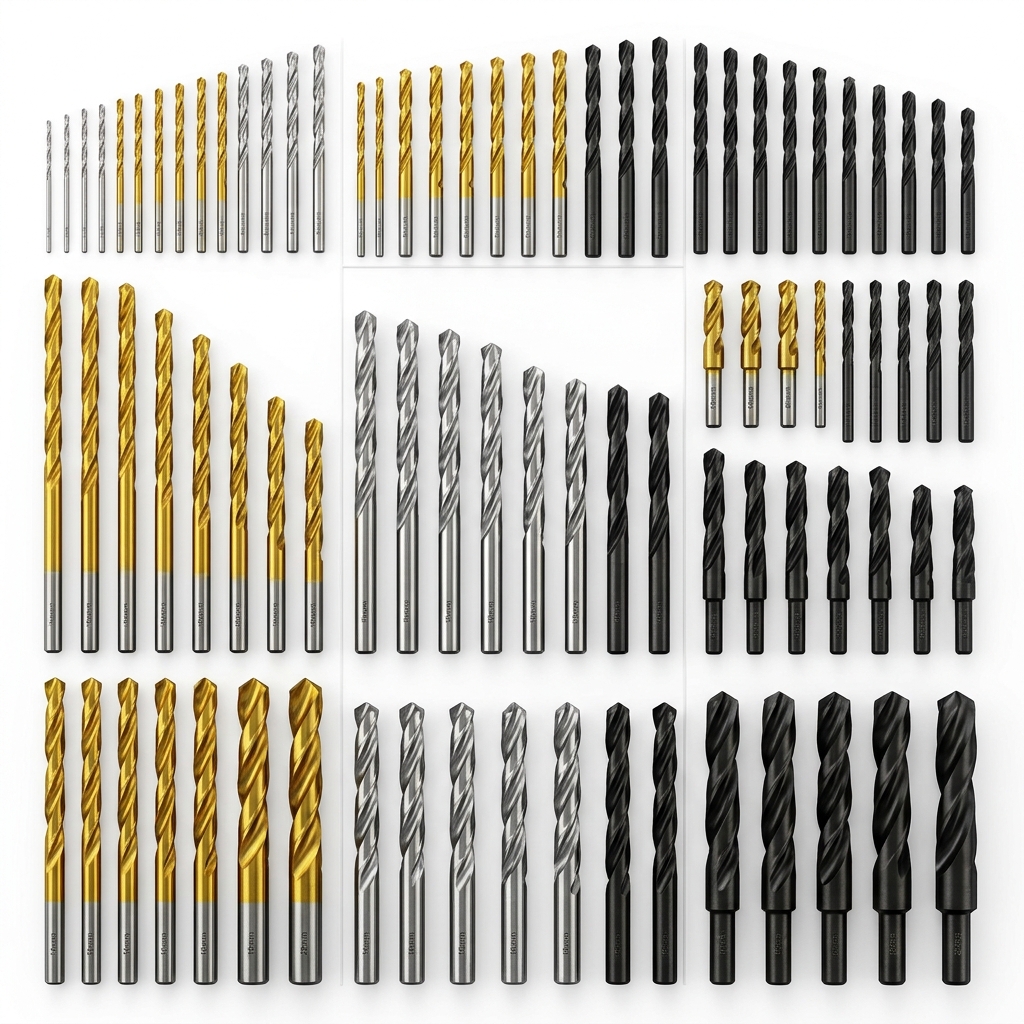
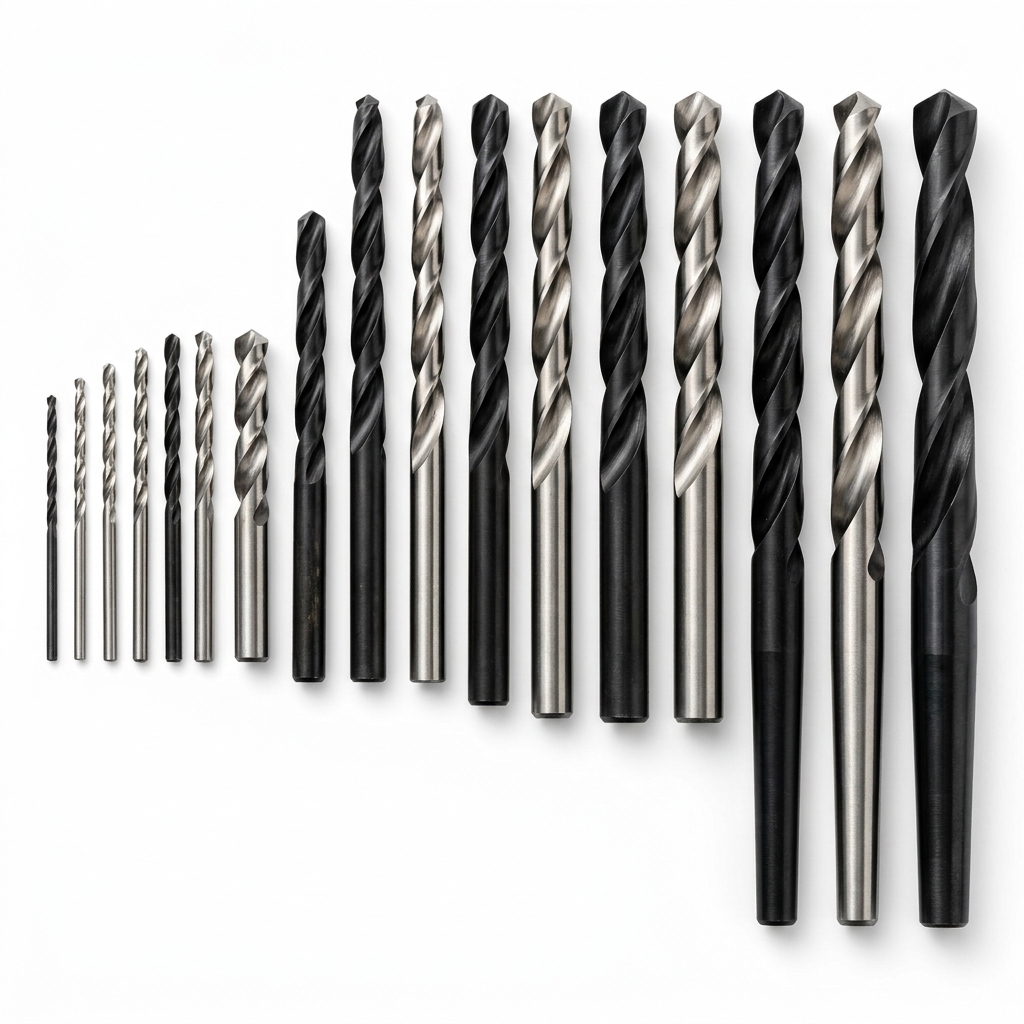
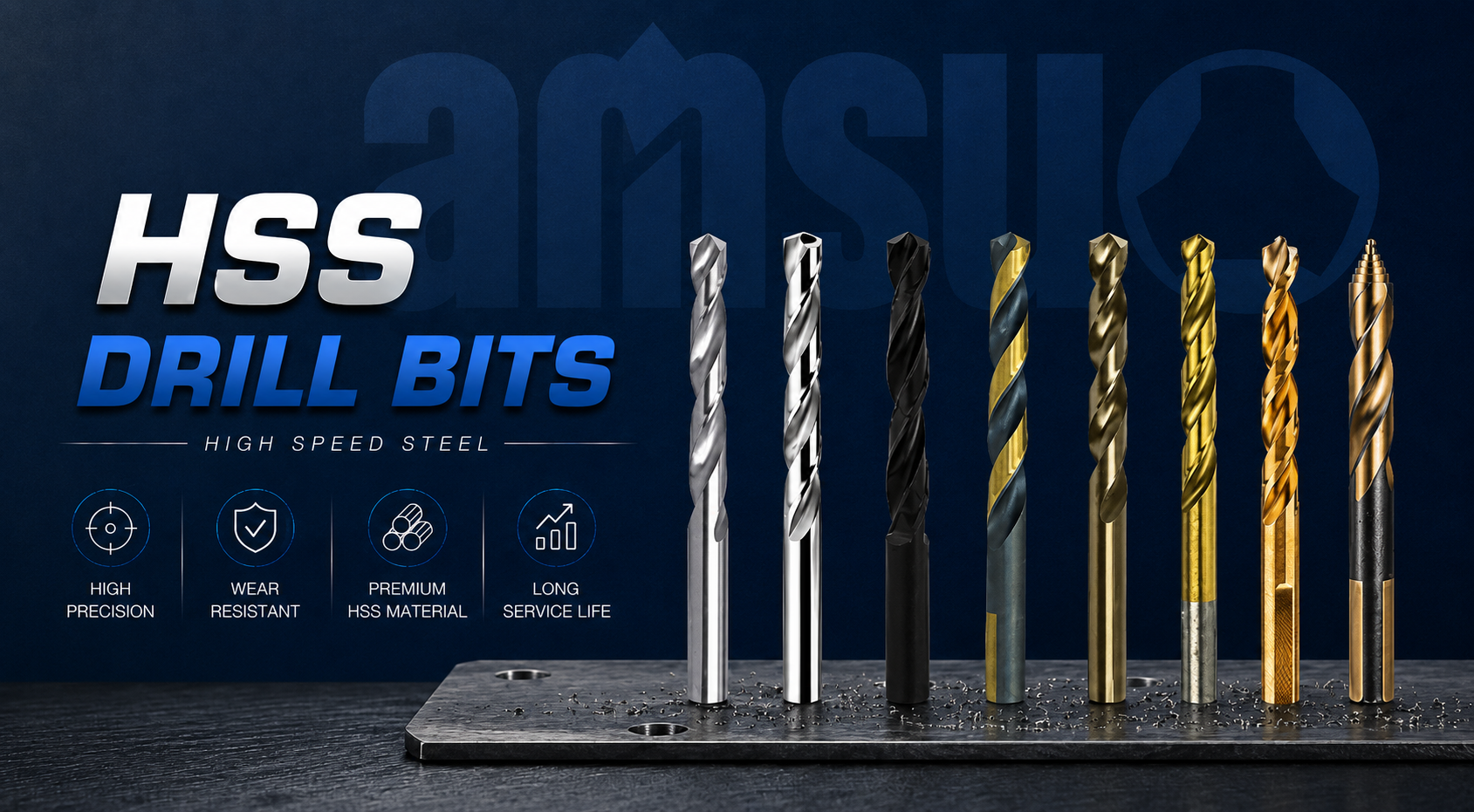
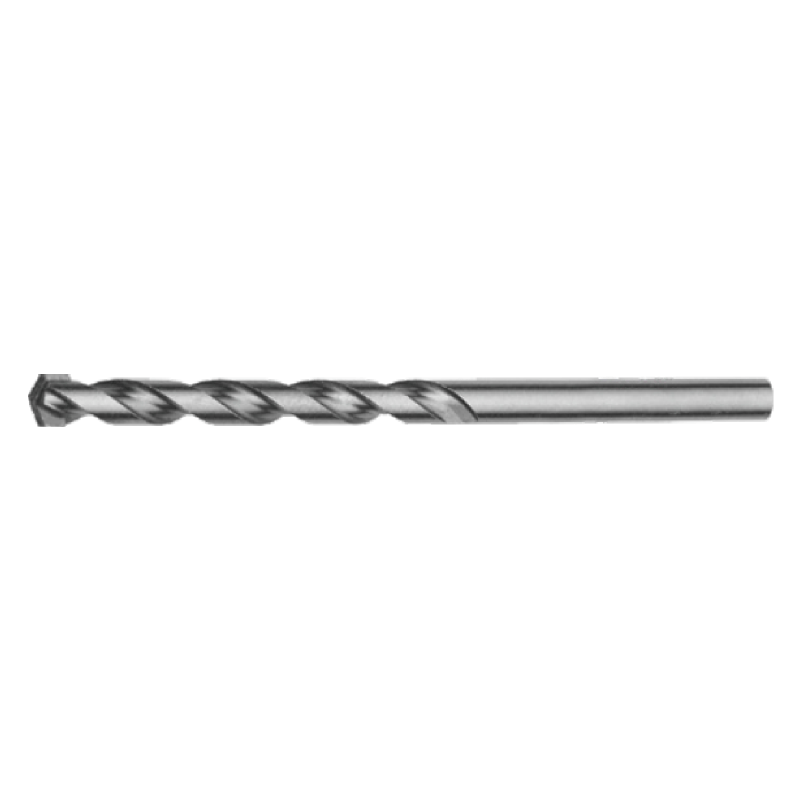
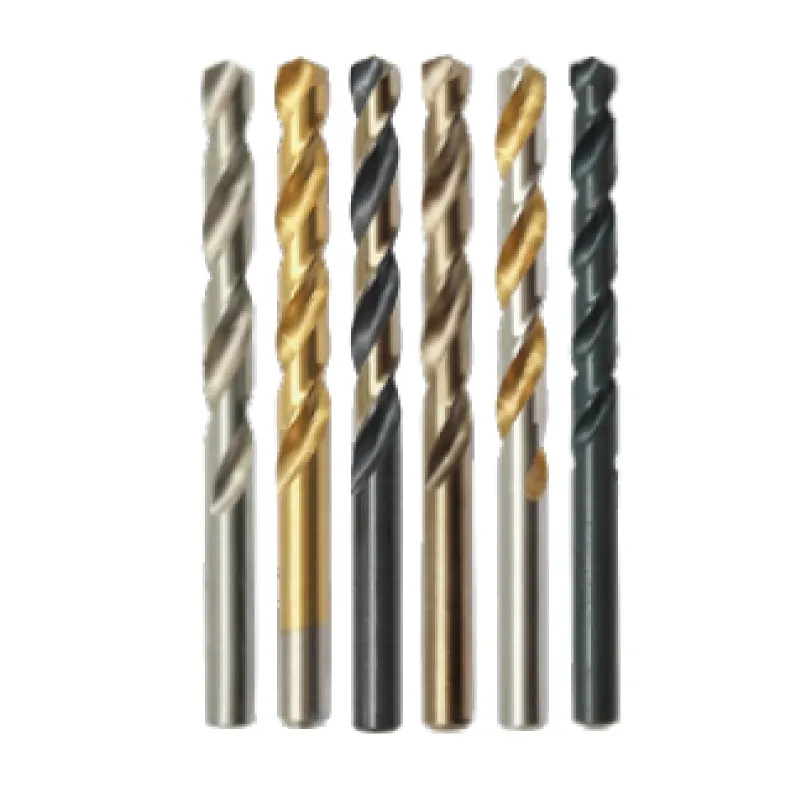
The hss jobber drill bit represents one of the most versatile and widely used cutting tools in metalworking, woodworking, and general drilling applications. HSS stands for High-Speed Steel, a specialized alloy composition that delivers exceptional hardness and heat resistance during drilling operations. The jobber length designation refers to the standard drill bit length, which typically measures approximately nine to fourteen times the diameter of the cutting end, providing an optimal balance between reach and rigidity. This hss jobber drill bit design has become the industry standard for general-purpose drilling across multiple materials and applications. The main functions of the hss jobber drill bit include creating precise holes in various materials such as steel, aluminum, brass, copper, wood, plastics, and composite materials. The technological features that distinguish this cutting tool include a carefully engineered spiral flute design that efficiently evacuates chips and debris from the cutting zone, preventing clogging and overheating. The point geometry typically features a 118-degree or 135-degree split point angle, which reduces walking or wandering when initiating a hole and improves centering accuracy. The hss jobber drill bit incorporates a cylindrical shank that fits securely into standard drill chucks, ensuring stable operation and minimal runout during high-speed rotation. Applications for the hss jobber drill bit span numerous industries including automotive repair, construction, manufacturing, maintenance operations, and DIY projects. Professional machinists rely on this tool for production drilling, while home workshop enthusiasts appreciate its accessibility and cost-effectiveness. The heat treatment process applied to the hss jobber drill bit creates a hardened cutting edge capable of maintaining sharpness through extended use, while the body retains sufficient toughness to resist breakage under normal drilling conditions. Modern manufacturing techniques ensure consistent quality and dimensional accuracy across production runs, making the hss jobber drill bit a reliable choice for precision work.

New Product Releases

Choosing the hss jobber drill bit delivers numerous practical benefits that directly impact your productivity and cost efficiency. The first major advantage centers on durability and longevity. When you invest in quality high-speed steel construction, you receive a cutting tool that maintains its sharp cutting edges significantly longer than conventional carbon steel alternatives. This extended tool life translates directly into reduced replacement costs and fewer interruptions to change worn bits during your work. The superior heat resistance of the hss jobber drill bit means you can operate at higher speeds without dulling the cutting edges prematurely, completing your drilling tasks faster while maintaining hole quality. Versatility represents another compelling advantage that makes the hss jobber drill bit an essential addition to any tool collection. This single tool type handles an impressive range of materials, eliminating the need to purchase specialized bits for different applications. You can drill through soft metals like aluminum in the morning and switch to hardened steel in the afternoon using the same hss jobber drill bit, simply adjusting your speed and feed rates accordingly. This multi-material capability significantly reduces inventory costs and simplifies tool selection for varying projects. The standardized jobber length provides excellent accessibility for most common drilling situations while maintaining the rigidity needed for accurate hole placement. You gain sufficient reach to drill through standard thickness materials without experiencing the flexibility problems associated with extra-long drill bits. The balanced design minimizes deflection during cutting, ensuring your holes remain perpendicular to the work surface and maintain consistent diameter throughout their depth. Cost-effectiveness strongly favors the hss jobber drill bit when compared to premium carbide or cobalt alternatives. While those specialty materials offer advantages in specific demanding applications, the hss jobber drill bit delivers outstanding performance for general drilling at a fraction of the price. You achieve professional results without the premium investment, making these bits accessible for both professional shops and home workshops. The widespread availability of the hss jobber drill bit ensures you can easily source replacements from virtually any hardware store, industrial supplier, or online retailer. This convenience eliminates downtime waiting for specialty orders and allows you to maintain adequate inventory without extensive planning. The ease of resharpening adds another practical advantage, as skilled operators can restore cutting performance multiple times before final retirement, further extending the economic value of each bit.

Practical Tips

How Can Power Tool Accessories Improve Efficiency in Daily Operations?

08

Jun

How Can Power Tool Accessories Improve Efficiency in Daily Operations?

In any professional trade or industrial setting, the tools you use are only as effective as the accessories that support them. power tool accessories are the often-overlooked components that determine how fast, accurately, and safely work gets done a...
View More
What Factors Affect the Performance of Power Tool Accessories Over Time?

08

Jun

What Factors Affect the Performance of Power Tool Accessories Over Time?

When professionals and tradespeople invest in quality equipment, they often focus on the power tool itself while underestimating how much the performance of power tool accessories influences the overall outcome of a job. Over time, even the most rugg...
View More
Which Drill Bit Features Matter Most for Professional Contractors?

08

Jun

Which Drill Bit Features Matter Most for Professional Contractors?

For professional contractors, choosing the right drill bit is not a trivial decision. Every job site presents unique demands — from drilling through hardened steel in fabrication work to boring precise holes in structural timber or composite material...
View More
Why Is an HSS Twist Drill Bit Popular in Industrial Manufacturing?

08

Jun

Why Is an HSS Twist Drill Bit Popular in Industrial Manufacturing?

In industrial manufacturing environments where precision, repeatability, and material versatility are non-negotiable, the choice of cutting tool can determine the difference between efficient production and costly downtime. Among the many drilling so...
View More

Get a Free Quote

Our representative will contact you soon.
Email
Name
Company Name
Message
0/1000

hss jobber drill bit

Exceptional Material Composition and Heat Treatment Technology

Exceptional Material Composition and Heat Treatment Technology

The hss jobber drill bit distinguishes itself through sophisticated metallurgical engineering that combines multiple alloying elements to create a cutting tool with exceptional performance characteristics. High-speed steel typically incorporates tungsten, molybdenum, chromium, vanadium, and cobalt in precise proportions, each element contributing specific properties to the final product. Tungsten provides the foundational hardness that allows cutting edges to penetrate tough materials without deforming, while molybdenum enhances hot hardness, enabling the hss jobber drill bit to maintain its cutting ability even when temperatures rise during continuous drilling operations. Chromium adds corrosion resistance and improves hardenability during heat treatment, ensuring the bit develops a uniformly hardened structure throughout the cutting zone. Vanadium contributes to grain refinement, creating a finer microstructure that translates to sharper, more durable cutting edges that resist chipping and wear. The heat treatment process applied during manufacturing transforms the raw alloy into a high-performance cutting tool through carefully controlled heating and cooling cycles. Manufacturers heat the hss jobber drill bit to critical temperatures where the steel structure transforms, then quench it rapidly to lock in maximum hardness. Subsequent tempering operations reduce brittleness while retaining the hardness needed for effective cutting, striking an optimal balance between edge retention and toughness. This thermally engineered structure allows the hss jobber drill bit to operate at cutting speeds that would quickly destroy ordinary steel bits, dramatically improving productivity in production environments. The red hardness property of high-speed steel means the cutting edges retain their hardness even when heated to temperatures where the bit glows red from friction, a remarkable capability that prevents softening during demanding applications. This technological advantage allows operators to push drilling parameters for maximum material removal rates without sacrificing tool life, reducing per-hole costs in high-volume manufacturing.
Precision Engineered Geometry for Superior Drilling Performance

Precision Engineered Geometry for Superior Drilling Performance

The geometric design of the hss jobber drill bit incorporates decades of cutting tool research and practical experience, resulting in a highly optimized configuration that maximizes drilling efficiency and hole quality. The spiral flute design represents one of the most critical features, with helical grooves precisely ground along the bit body to create efficient chip evacuation channels. These flutes serve multiple essential functions during drilling operations. First, they provide a pathway for chips and debris to exit the hole as the hss jobber drill bit advances, preventing accumulation that would otherwise cause binding, overheating, and premature tool failure. The helix angle of these flutes affects cutting forces and chip flow characteristics, with standard angles optimized for general-purpose drilling across various materials. Second, the flutes create cutting edges where they intersect the point geometry, forming the primary cutting lips that actually remove material during drilling. The land area between flutes provides structural support and guides the hss jobber drill bit within the hole, maintaining alignment and preventing wandering that would compromise hole accuracy. The point geometry of the hss jobber drill bit deserves special attention, as this configuration directly impacts drilling performance and hole quality. Most jobber bits feature either a conventional point with 118-degree included angle or a split point design with 135-degree geometry. The split point modification includes an additional grinding operation that creates a self-centering web thinning feature, dramatically reducing the thrust force required to initiate drilling and virtually eliminating the walking tendency when starting holes on smooth surfaces. This allows operators to position holes accurately without center punching, saving time and improving precision. The chisel edge where the flutes meet at the center is minimized in split point designs, reducing the dead zone where cutting efficiency drops. Web thickness increases gradually from the point toward the shank, providing maximum strength in the weakest area while maintaining adequate rigidity throughout the cutting length. The margin, a narrow land immediately behind the cutting edge, maintains consistent hole diameter and prevents oversizing, ensuring your drilled holes meet dimensional requirements without reaming.
Standardized Dimensions and Universal Compatibility Benefits

Standardized Dimensions and Universal Compatibility Benefits

The jobber length specification of the hss jobber drill bit provides standardized dimensions that deliver practical advantages in real-world applications, making these tools universally compatible with existing equipment while offering optimal performance characteristics. The jobber length designation establishes that the flute length measures approximately nine to fourteen times the nominal diameter, depending on the specific size, creating a balanced proportion that serves most common drilling needs effectively. This standardization emerged from decades of industrial experience identifying the ideal compromise between reach, rigidity, and manufacturing economy. Shorter bits would limit access in many applications, while longer configurations sacrifice rigidity and increase deflection problems that compromise hole accuracy. The hss jobber drill bit length allows you to drill through standard material thicknesses encountered in typical metalworking, woodworking, and construction applications without the flexibility issues that plague extended-length alternatives. When you need to drill through a standard two-by-four lumber piece, sheet metal panels, structural steel components, or plastic materials, the jobber length provides adequate depth capacity while maintaining the stiffness needed for straight, accurate holes. The shank design of the hss jobber drill bit follows industry standards that ensure compatibility with the vast majority of drilling equipment. Smaller diameter bits typically feature straight cylindrical shanks that fit securely in three-jaw drill chucks, self-centering automatically when tightened. Larger diameter versions may incorporate reduced shanks, allowing bigger cutting diameters to fit standard chuck capacities, expanding the range of hole sizes you can create with existing equipment. This universal compatibility means you avoid the frustration and expense of purchasing specialized holding equipment or adapters, maximizing the utility of your current tool inventory. The standardized sizing follows fractional inch, metric, or number and letter drill gauge systems, providing precise increments that match common fastener and clearance hole requirements. When a technical drawing specifies a particular hole diameter, you can confidently select the corresponding hss jobber drill bit and achieve the required dimension without guesswork or trial-and-error fitting. The consistency of manufacturing standards ensures that bits from different suppliers maintain dimensional interchangeability, giving you sourcing flexibility without compatibility concerns. This standardization extends to replacement considerations, as worn bits can be substituted with equivalent sizes from any reputable manufacturer without adjusting speeds, feeds, or expecting different performance characteristics.

Get a Free Quote

Our representative will contact you soon.
Email
Name
Company Name
Message
0/1000