 EN



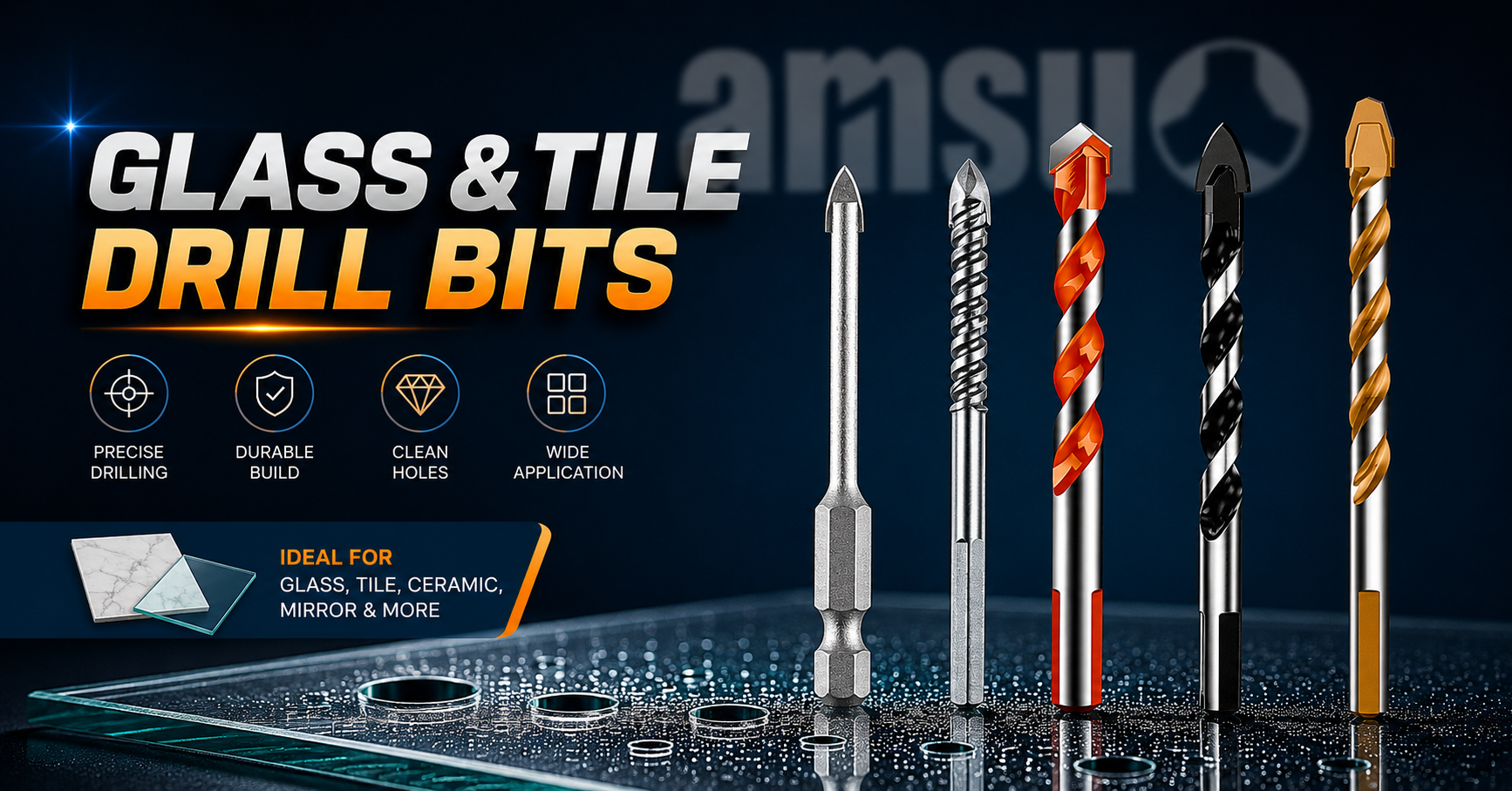
An hss twist drill bit stands as a cornerstone tool in high-volume manufacturing and production environments. Understanding what makes these tools specifically suited for demanding applications requires examining their material composition, geometric design, and performance characteristics. High-speed steel drill bits deliver consistent results across thousands of drilling cycles, making them the preferred choice for operations where reliability and cost-effectiveness matter equally.
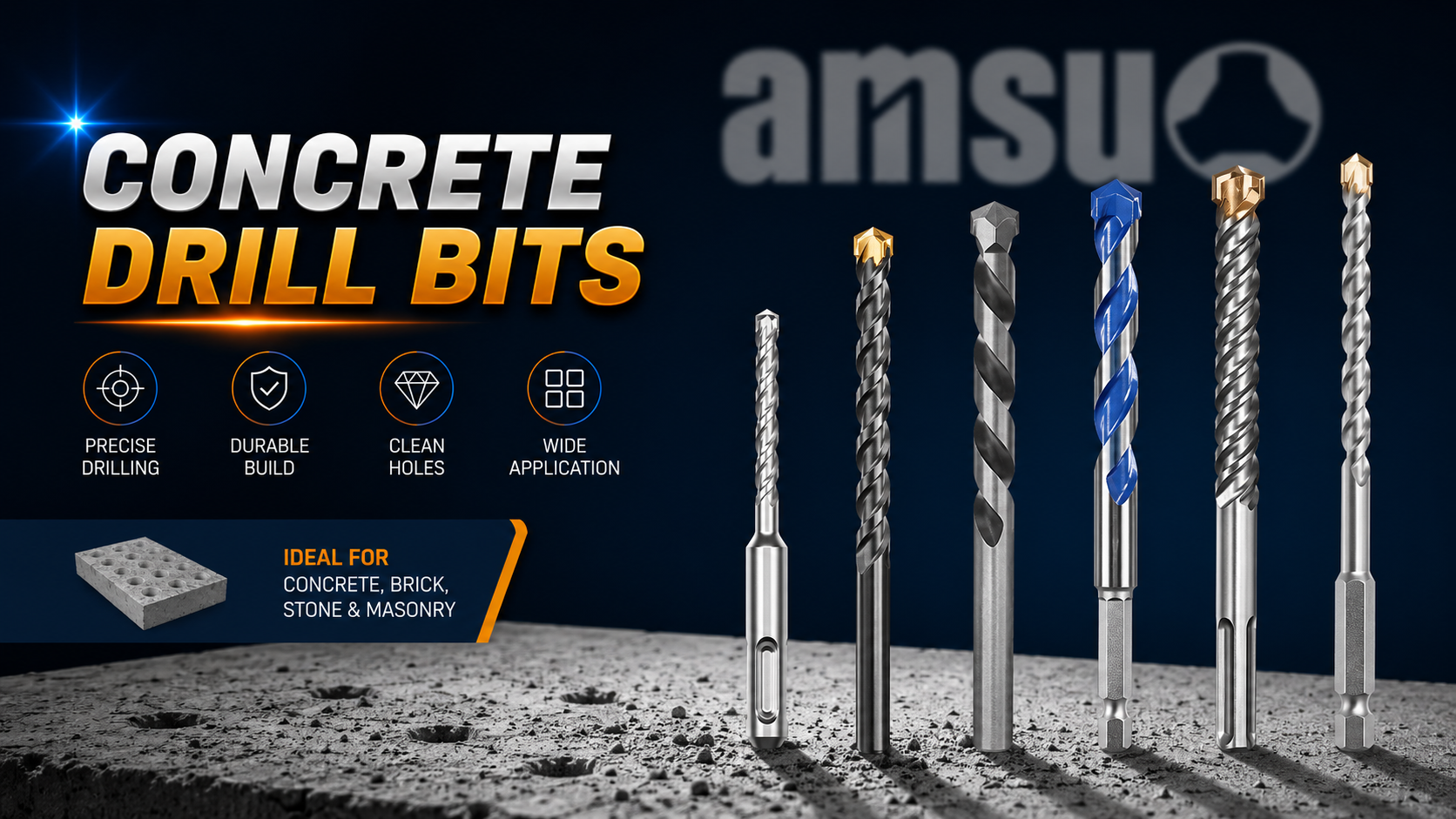
In industrial settings, selecting the right cutting tool determines production efficiency, tool longevity, and overall operational costs. High speed steel drill bit specifications define how these tools perform under sustained use, handling repetitive drilling tasks without rapid wear or thermal degradation. The design and material science behind quality drill bits for metal applications enable manufacturers to achieve tight tolerances and maintain steady output rates throughout extended production runs.
Material Composition and Heat Resistance
Core Properties of High-Speed Steel
High-speed steel represents a tungsten-based alloy engineered to withstand extreme cutting temperatures. Unlike carbon steel, HSS retains hardness even when heated to 600–650 degrees Celsius, a critical advantage in high-volume drilling scenarios where friction and heat accumulate rapidly. The addition of tungsten, molybdenum, chromium, and vanadium creates a metallurgical structure that balances hardness with toughness, preventing premature fracture during extended operations.
Thermal Stability for Continuous Use
Continuous drilling generates substantial frictional heat, especially when processing harder metals like stainless steel or cast iron. An hss twist drill bit maintains its cutting edge temperature stability through multiple drilling cycles, resisting the softening that would compromise performance. This thermal resilience directly translates to extended tool life and reduced downtime for tool changes, both essential metrics in high-volume manufacturing environments where production interruptions carry significant cost implications.
Geometric Design and Cutting Efficiency
Twist Geometry and Chip Evacuation
The twist profile of a drill bit serves a dual purpose: it provides structural rigidity while facilitating efficient chip evacuation. In high-volume operations, poor chip removal causes heat buildup and tool binding, leading to premature wear or breakage. Quality best drill bits for metal incorporate helix angles optimized for specific material types, ensuring chips flow away from the cutting zone and preventing redrilling of the same surface area multiple times.
Point Design and Cutting Action
The point geometry of an hss twist drill bit determines initial penetration force and cutting edge engagement. Standard 118-degree points work effectively across diverse materials, while specialized point angles address specific applications. The relief angles and cutting edge configuration determine how efficiently the tool removes material per revolution, directly impacting drill bit sizes and applications across different industries and material hardnesses.
Performance Factors for High-Volume Reliability
Tool Life and Cost Per Hole
High-volume production demands tools that deliver consistent performance across thousands of holes before replacement becomes necessary. High speed steel drill bit specifications address this through superior wear resistance compared to standard steel, reducing the cost per drilled hole even though individual tool purchase price may be higher. Manufacturers calculate total cost of ownership by dividing tool cost by the number of successful holes drilled, making HSS an economically rational choice for sustained production runs.
Material Compatibility and Versatility
Production environments rarely work with single materials exclusively. An hss twist drill bit handles aluminum, mild steel, stainless steel, and cast iron with acceptable results, though optimized variations exist for specific materials. This versatility reduces the need to maintain extensive tool inventories and allows operators to switch between projects without constant tool changes. When production schedules demand rapid changeovers, having reliable best drill bits for metal that perform adequately across material types streamlines operations and reduces scheduling complexity.
Precision and Tolerance Maintenance
High-volume manufacturing requires consistent hole sizes and positions to assembly standards. Quality drill bit sizes and applications demand precision fluting, accurate point geometry, and minimal runout to maintain tolerance bands across tens of thousands of parts. High speed steel drill bit specifications include strict dimensional controls and straightness requirements that prevent drift in hole size as drilling progresses through extended production batches.
Selection Criteria for High-Volume Applications
Matching Specifications to Production Needs
Effective tool selection begins with understanding specific production requirements. The material being drilled, hole depth, required tolerance, and drilling speed available on existing equipment all influence whether a particular hss twist drill bit represents the optimal choice. Manufacturers must balance tool speed capability against machine capacity, as exceeding recommended RPM reduces tool life while operating too slowly wastes production time and increases cost per piece.
Volume Thresholds and Economic Justification
Lower-volume operations might justify manual drilling or less sophisticated tooling, but sustained production quickly shifts economics toward specialized tools. An hss twist drill bit becomes economically justified when expected volumes exceed several hundred pieces, where tool performance consistency directly impacts profitability. High-volume facilities benefit most from bulk purchasing of quality best drill bits for metal, spreading tool cost across larger part quantities and maximizing the economic advantage of superior tool life.
FAQ
What distinguishes an HSS twist drill bit from standard carbon steel drill bits?
HSS twist drill bits contain tungsten and other alloying elements that provide superior heat resistance and hardness retention at elevated temperatures. Standard carbon steel softens significantly above 200 degrees Celsius, while high-speed steel drill bit specifications maintain cutting capability up to 650 degrees Celsius. This thermal advantage enables faster cutting speeds and extended tool life, making HSS the standard choice for production environments where tool longevity and speed matter.
How do drill bit sizes and applications affect tool selection for high-volume work?
Different production scenarios demand different approaches to sizing and material selection. Smaller diameter holes in soft materials like aluminum may use aluminum-optimized variants, while larger diameter holes in steel require enhanced flute designs for chip evacuation. Understanding drill bit sizes and applications within your specific production context ensures tool selection matches actual cutting conditions, preventing unnecessary tool breakage and maintaining consistent hole quality throughout production batches.
Why is high speed steel drill bit specifications important when comparing drilling tools?
Detailed specifications including helix angle, point geometry, flute design, and material composition directly predict how a tool will perform in your equipment and production environment. Specification comparison prevents purchasing tools that look similar but perform differently due to subtle geometric or metallurgical variations. Manufacturers relying on best drill bits for metal for high-volume work should review specifications before committing to bulk purchases, ensuring selected tools align with existing equipment capabilities and production speed requirements.