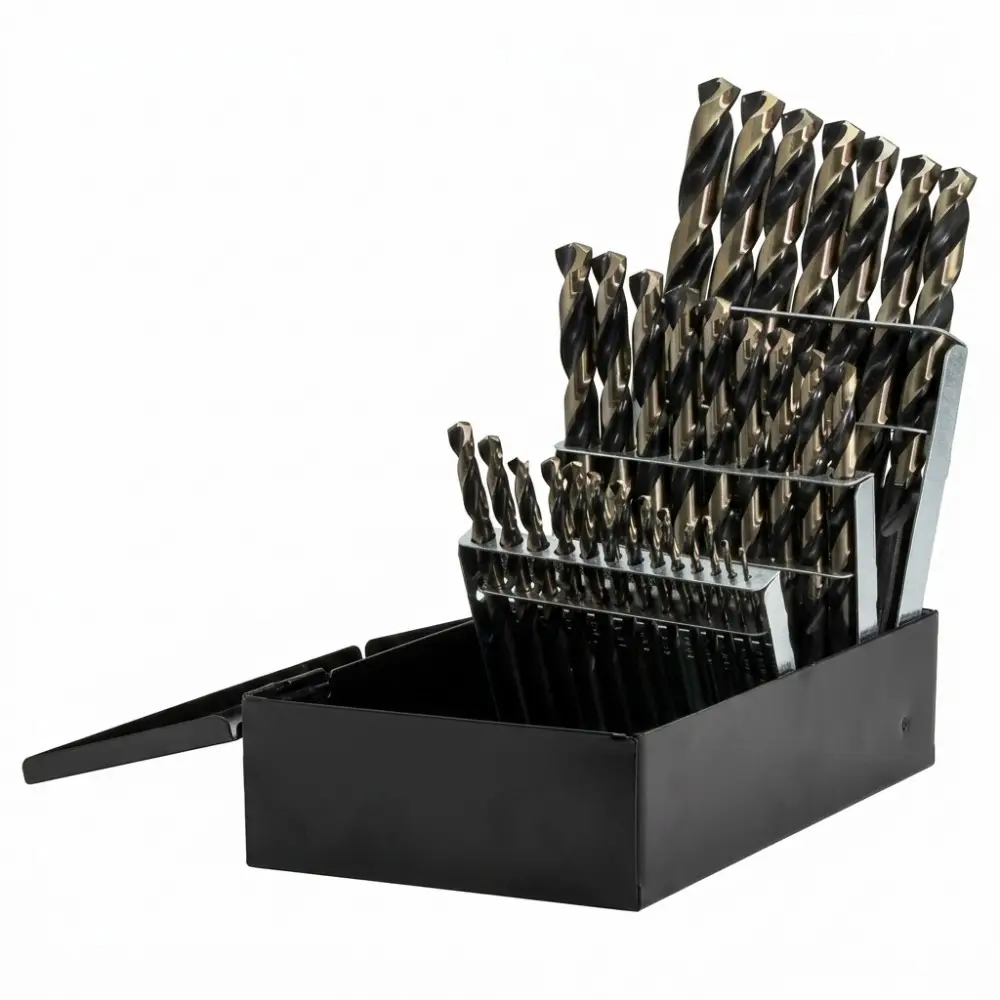
Universal Compatibility and Standardized Design for Maximum Convenience
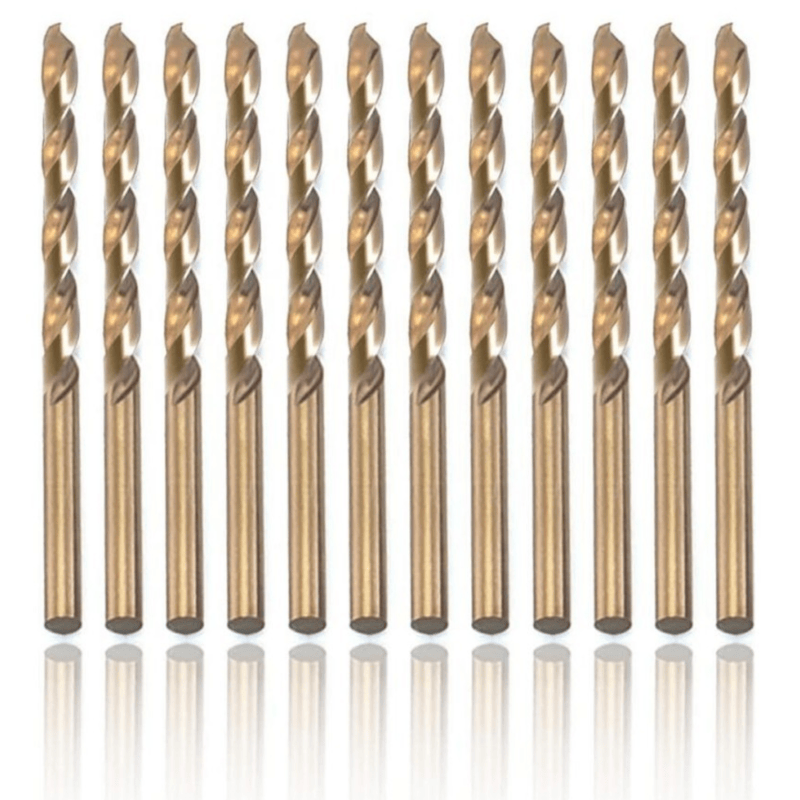
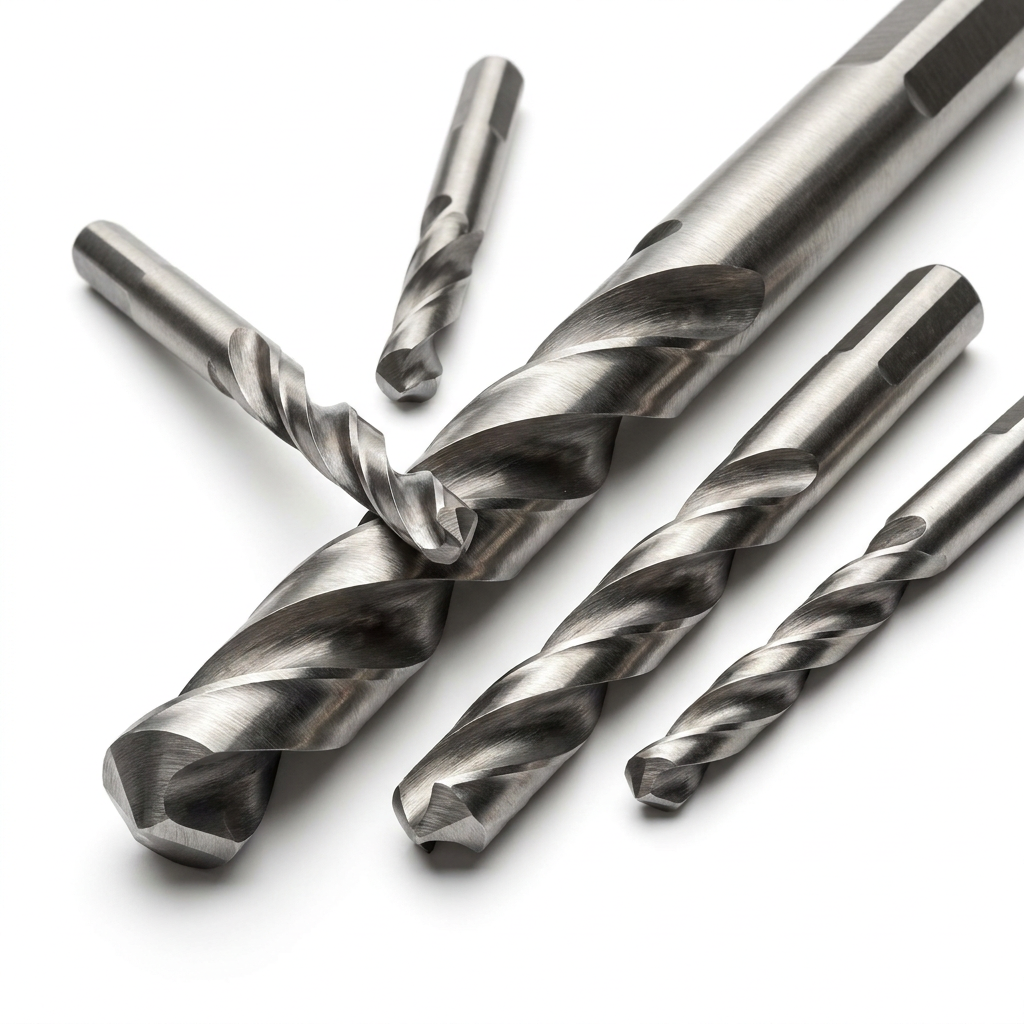
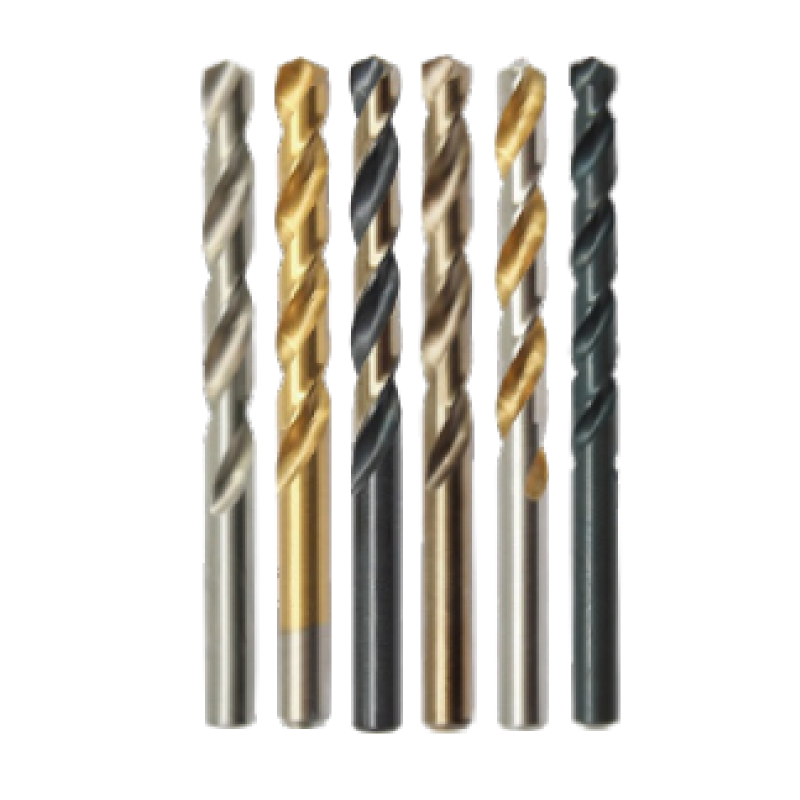
The jobber drill bit adheres to internationally recognized manufacturing standards that ensure universal compatibility across drilling equipment, a practical advantage that simplifies tool acquisition, inventory management, and operational flexibility for professionals and hobbyists alike. This standardization means you can confidently purchase jobber drill bits knowing they will fit your existing drill chucks, press spindles, and quick-change tooling systems without requiring adapters or special accommodation. The commitment to standard dimensions extends beyond basic shank configurations to include consistent length specifications, point geometry, and performance characteristics that allow users to develop reliable drilling procedures transferable across different bit brands and suppliers. When you stock your workshop with jobber drill bits in commonly used sizes, you establish a versatile capability that addresses unexpected drilling requirements without emergency tool purchases or project delays. The availability of these bits through virtually every hardware retailer, industrial supplier, and online marketplace ensures you never face extended downtime waiting for specialty items to arrive, a logistical advantage that proves invaluable in time-sensitive repair situations or rush production scenarios. Maintenance personnel particularly appreciate this accessibility when responding to equipment failures requiring immediate drilling operations to restore functionality. The standardized design also facilitates knowledge transfer and training, as techniques and best practices developed with one jobber drill bit apply directly to others regardless of manufacturer, reducing the learning curve when introducing new team members to drilling operations. Quality manufacturers produce jobber drill bits in comprehensive size ranges covering fractional inch, metric, letter, and number drill specifications, allowing you to select precisely the diameter required for tapping operations, clearance holes, or dimensional features without compromising accuracy through undersized or oversized holes. The standard point angles and flute configurations mean you can establish cutting parameters including speed, feed rate, and coolant application that work consistently across your bit inventory, streamlining process documentation and reducing the experimental adjustments often necessary when working with non-standard tooling. This operational consistency translates directly into improved productivity and reduced scrap rates, as operators achieve predictable results that meet specifications without extensive trial-and-error optimization. The widespread adoption of jobber drill bit standards also supports competitive pricing through manufacturing economies of scale, making quality drilling tools accessible at price points suitable for both industrial purchasers acquiring hundreds of bits and individual craftsmen building personal tool collections, democratizing access to professional-grade performance previously limited to specialized applications.