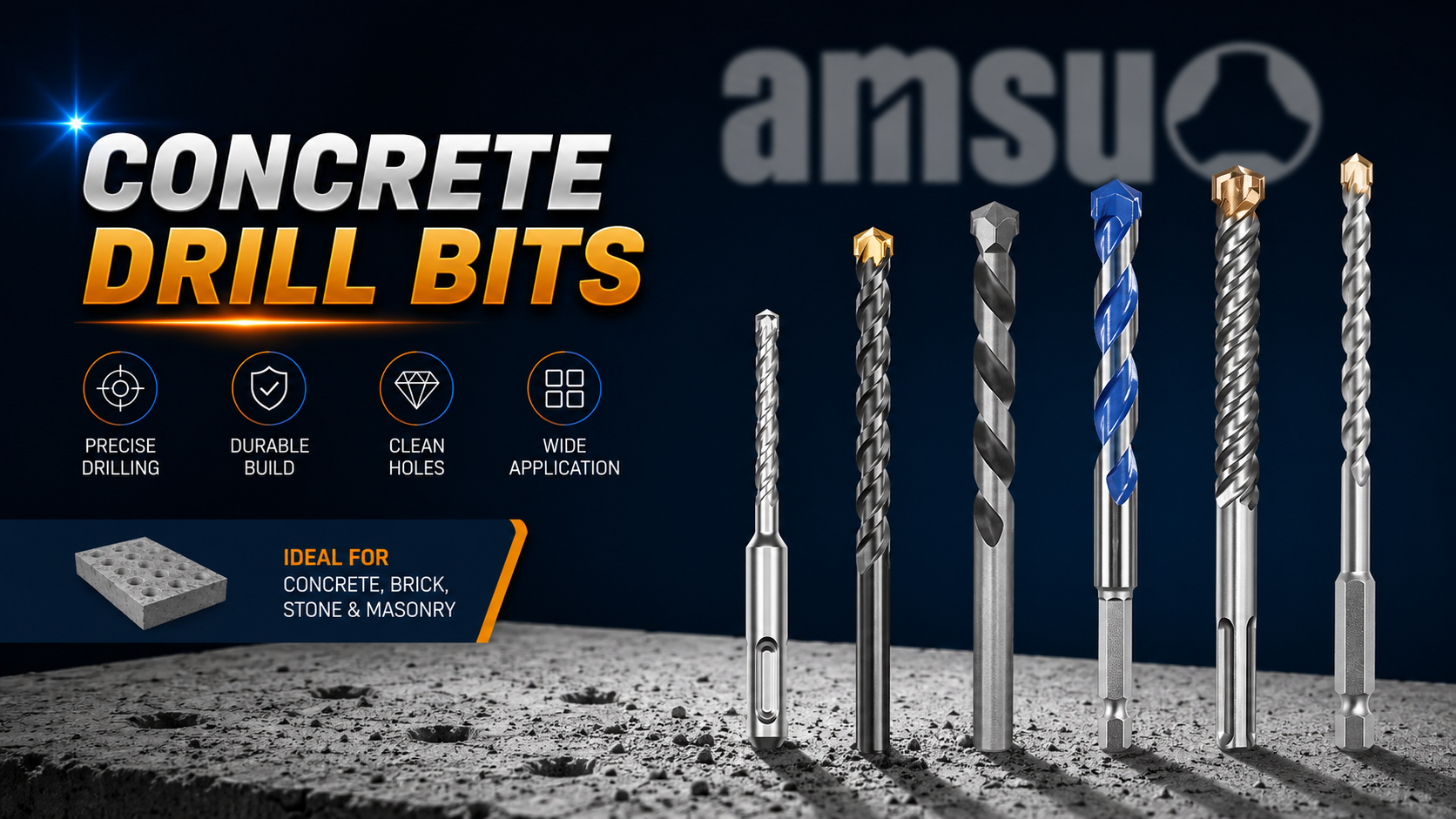
Jobber Drill Bit: Professional Drilling Solutions for Precision and Versatility

All Categories

jobber drill bit

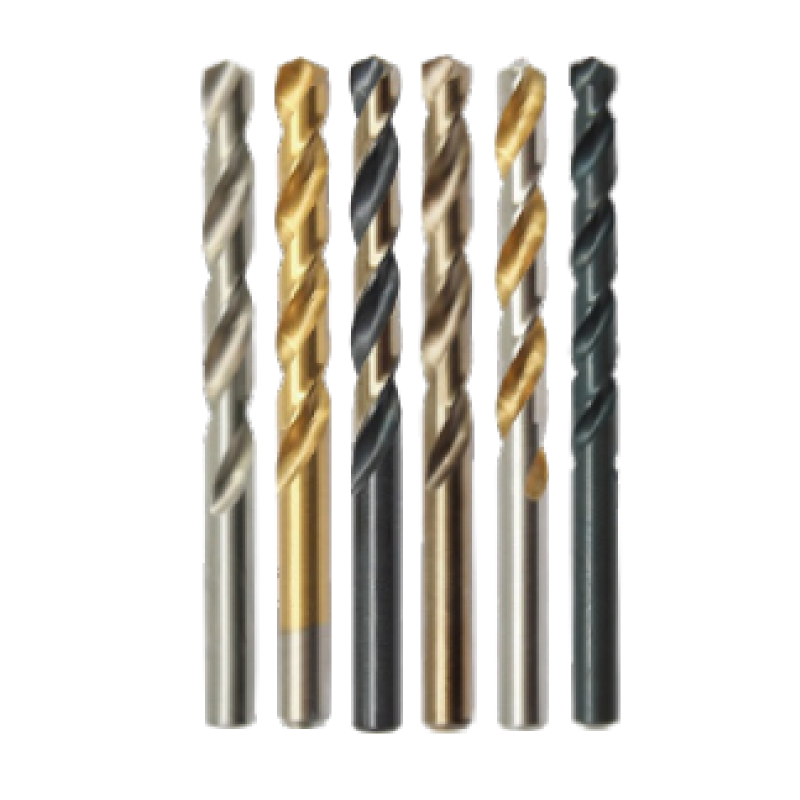
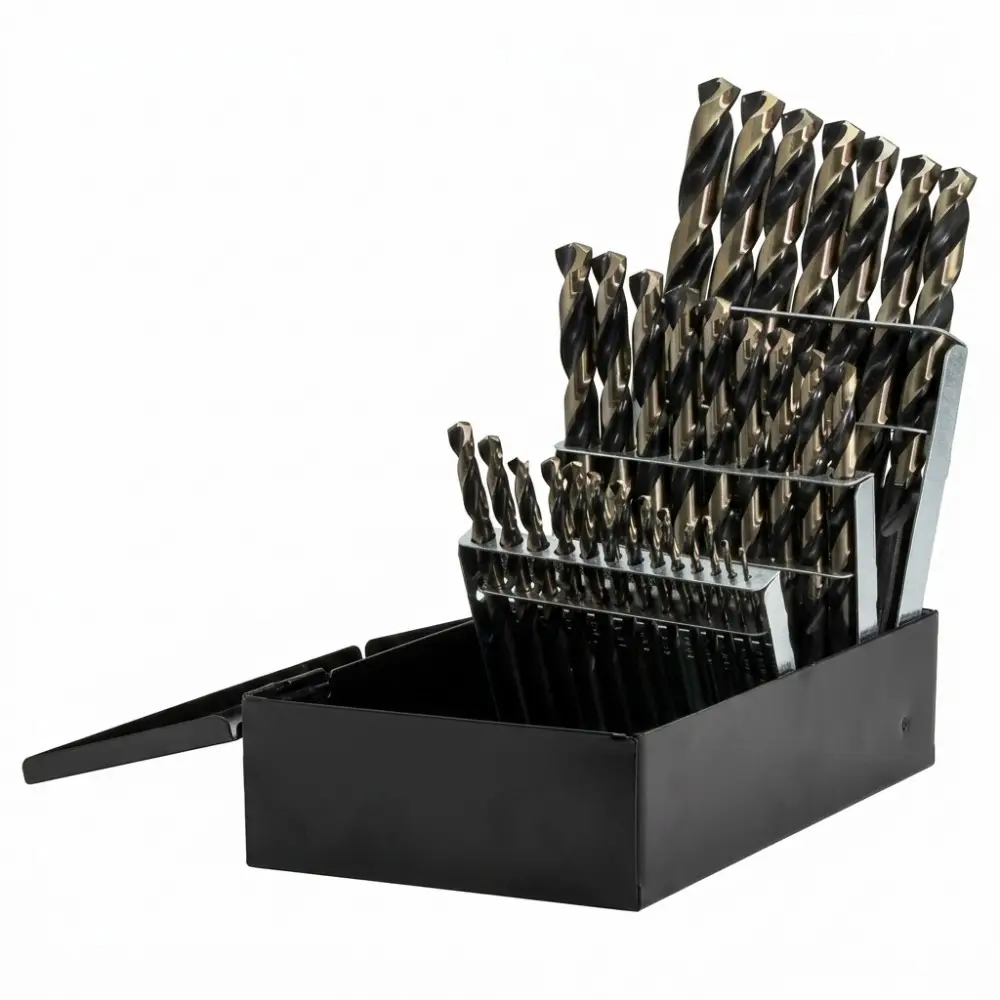
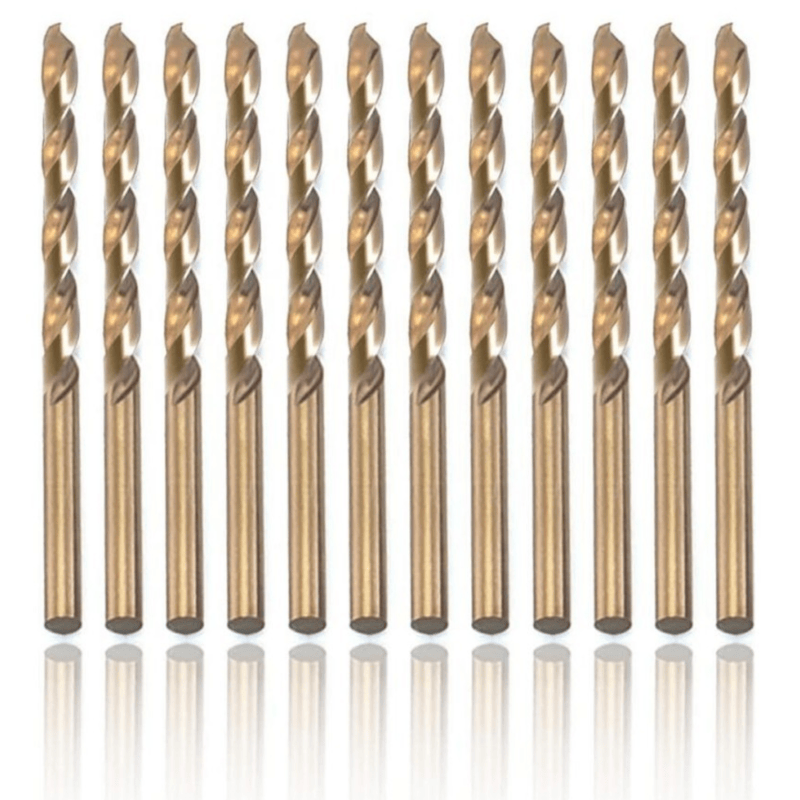
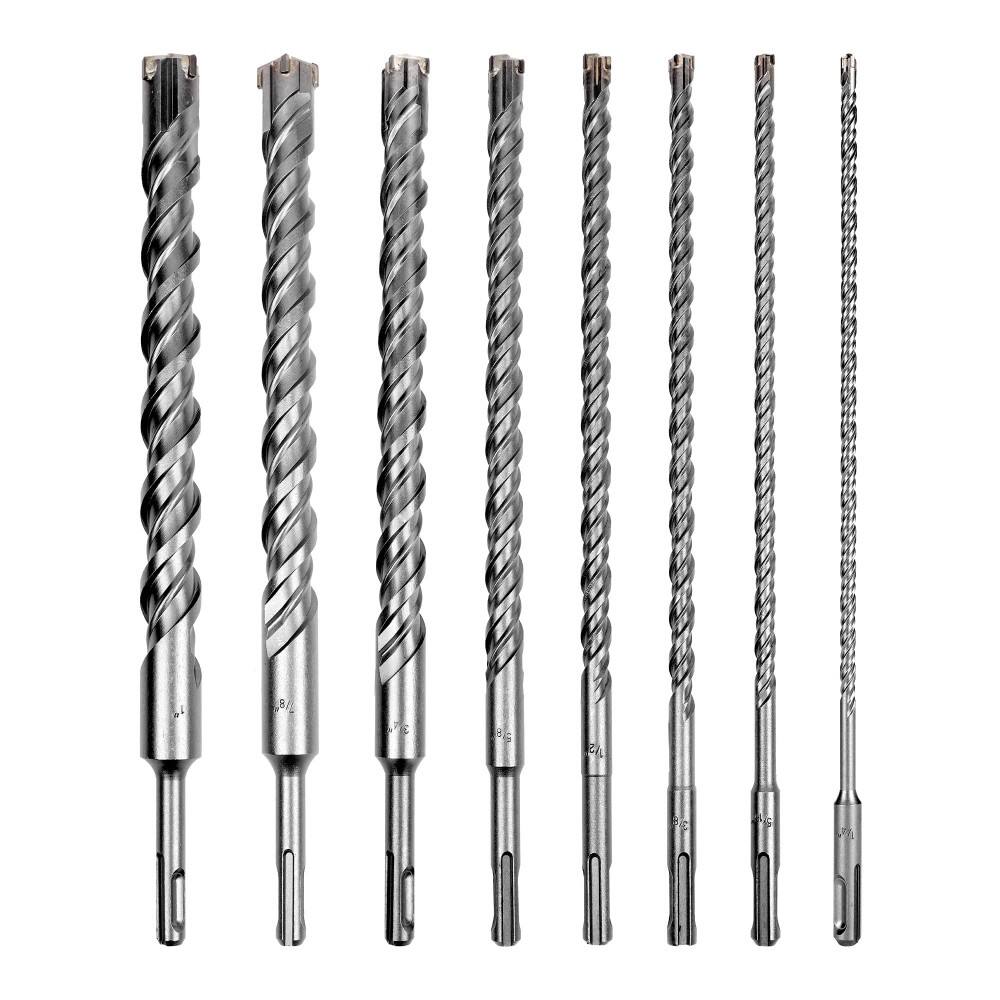
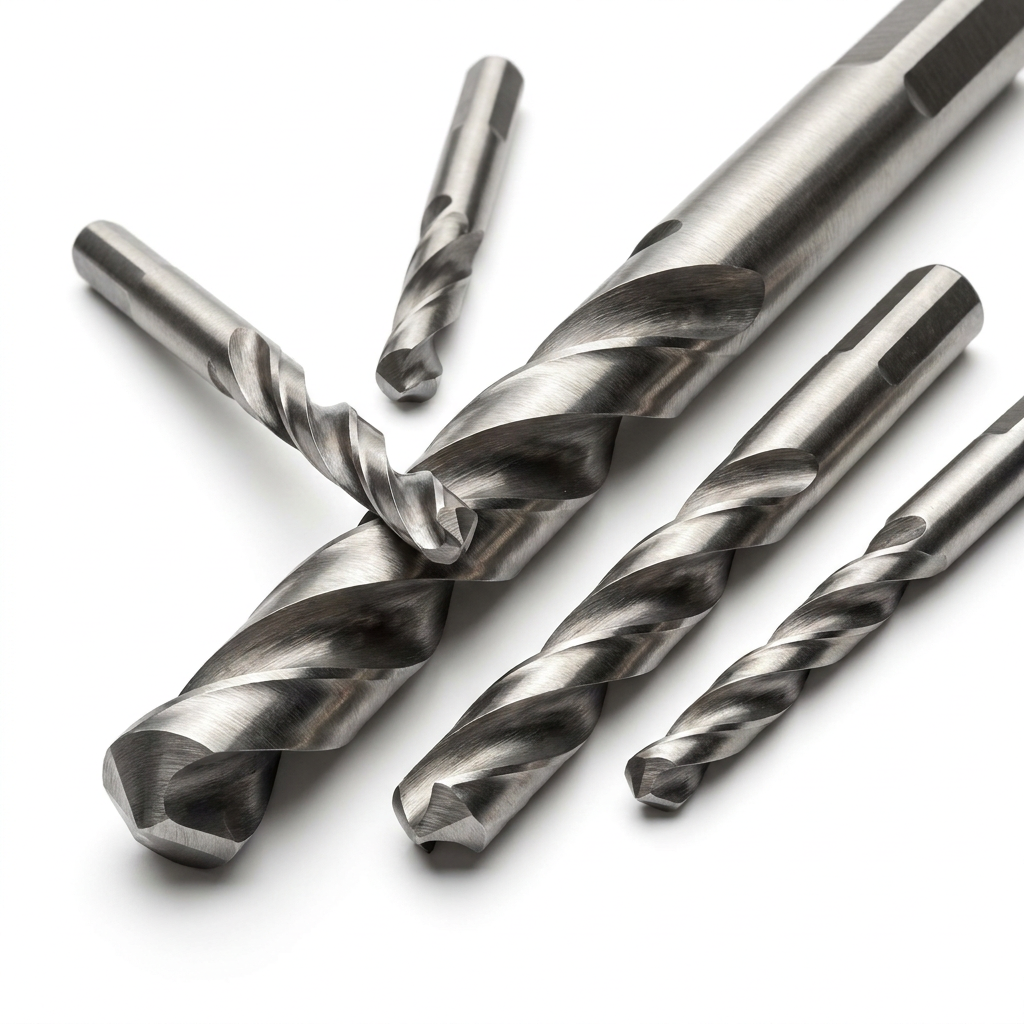
A jobber drill bit represents the most widely used drilling tool in workshops, manufacturing facilities, and construction sites worldwide. This essential cutting instrument derives its name from the standard length specifications established by industry professionals, making it the go-to choice for countless drilling applications. The jobber drill bit features a medium-length flute design that strikes an optimal balance between rigidity and reach, typically measuring nine to fourteen times the diameter of the bit itself. This proportional design ensures exceptional stability during operation while providing sufficient depth penetration for most common drilling tasks. Manufactured from high-speed steel, cobalt steel alloys, or carbide materials, these bits undergo precision grinding processes to create sharp cutting edges capable of penetrating various materials including wood, metal, plastic, and composite substances. The twisted flute geometry serves multiple critical functions by efficiently evacuating chips and debris from the cutting zone, reducing heat buildup through improved coolant circulation, and maintaining straight hole alignment throughout the drilling process. Modern jobber drill bits incorporate a split-point or self-centering tip configuration that eliminates the need for center punching, significantly reducing setup time and improving accuracy. The standard 118-degree point angle works effectively across diverse materials, though specialized variations exist for specific applications. These bits connect to drilling equipment through standardized shank designs, with round shanks fitting conventional drill chucks and hex shanks providing enhanced grip in quick-change systems. The versatility of jobber drill bits extends across professional metalworking operations, woodworking projects, automotive repairs, construction activities, and home improvement tasks, making them indispensable tools for both skilled tradespeople and DIY enthusiasts seeking reliable performance and consistent results.

New Products

Choosing a jobber drill bit delivers immediate practical benefits that directly impact your drilling efficiency and project outcomes. These bits offer exceptional versatility, allowing you to tackle multiple materials without constantly switching tools, saving valuable time and reducing equipment costs. The standardized length provides superior control during operation, minimizing wobble and deflection that commonly plague longer drill bits, resulting in cleaner, more accurate holes every time you drill. You will appreciate how the balanced design reduces operator fatigue during extended use, as the bit requires less pressure to maintain proper cutting action compared to alternative designs. The efficient chip evacuation system prevents clogging and overheating, extending the operational lifespan of each jobber drill bit significantly beyond cheaper alternatives. This translates into fewer replacements, lower maintenance expenses, and reduced downtime in your workflow. The self-centering point feature eliminates preliminary marking steps, allowing you to position your drill and immediately begin working with confidence that your hole will start exactly where intended. This precision becomes especially valuable when working on finished surfaces where mistakes prove costly to correct. Jobber drill bits maintain their sharpness through numerous drilling cycles, providing consistent performance that professionals depend on for quality results. The robust construction withstands the demanding conditions of industrial environments while remaining accessible and affordable for occasional users. You gain compatibility with virtually every drill press, hand drill, and power tool in your workshop, as manufacturers design these bits to universal specifications. The widespread availability means you can easily source replacements or expand your collection in various sizes without searching for specialty suppliers. Heat-treated cutting edges resist wear even when drilling through challenging materials like stainless steel or hardened metals, maintaining cutting efficiency where softer bits would quickly fail. The jobber drill bit delivers reliable starting performance without wandering across work surfaces, producing professional-grade results regardless of your skill level. These advantages combine to create a drilling solution that maximizes productivity, minimizes costs, and ensures consistent quality across all your projects, making the jobber drill bit an intelligent investment for anyone who regularly performs drilling operations in their work or personal projects.

Tips And Tricks

How to Select the Right Drill Bit for Different Industrial Materials?

08

Jun

How to Select the Right Drill Bit for Different Industrial Materials?

Choosing the correct drill bit for a given industrial material is one of the most consequential decisions a machinist, fabricator, or procurement engineer can make. The wrong selection leads to premature tool wear, poor hole quality, damaged workpiec...
View More
What Advantages Does a Precision Screwdriver Bit Offer Manufacturing Lines?

08

Jun

What Advantages Does a Precision Screwdriver Bit Offer Manufacturing Lines?

In high-volume manufacturing environments, every tool choice carries operational weight. The screwdriver bit may appear to be a minor component in the broader assembly process, yet its precision directly influences cycle time, joint integrity, and th...
View More
How to Select an HSS Twist Drill Bit for Precision Metal Drilling?

08

Jun

How to Select an HSS Twist Drill Bit for Precision Metal Drilling?

Selecting the right hss twist drill bit for precision metal drilling is a decision that directly affects hole quality, tool longevity, and overall machining efficiency. Whether you are working in a high-production workshop or a precision fabrication ...
View More
Why Is an HSS Twist Drill Bit Popular in Industrial Manufacturing?

08

Jun

Why Is an HSS Twist Drill Bit Popular in Industrial Manufacturing?

In industrial manufacturing environments where precision, repeatability, and material versatility are non-negotiable, the choice of cutting tool can determine the difference between efficient production and costly downtime. Among the many drilling so...
View More

Get a Free Quote

Our representative will contact you soon.
Email
Name
Company Name
Message
0/1000

jobber drill bit

Optimal Length-to-Diameter Ratio for Maximum Drilling Stability

Optimal Length-to-Diameter Ratio for Maximum Drilling Stability

The defining characteristic that sets the jobber drill bit apart from other drilling tools lies in its carefully engineered length-to-diameter ratio, a design feature that fundamentally transforms drilling performance and accuracy. This proportional relationship, typically ranging from nine to fourteen times the bit diameter, represents decades of manufacturing refinement aimed at solving the persistent challenges faced by metalworkers and craftsmen. When you use a jobber drill bit, you immediately notice the enhanced stability during operation, as the medium length prevents the excessive flexing and vibration that plague longer bits. This rigidity becomes critically important when drilling through dense materials or when working at higher speeds, where even minor deflections can cause hole enlargement, poor surface finish, or premature bit failure. The balanced proportions allow the bit to maintain its intended path through the workpiece, creating perfectly straight holes with consistent diameter from entry to exit point. Professional machinists particularly value this characteristic when drilling precision components where dimensional accuracy directly affects assembly and function. The length provides adequate reach for most common applications, including drilling through standard metal stock, thick lumber, and layered materials, eliminating the need to stock multiple bit types for routine tasks. Unlike shorter stub bits that lack sufficient depth capacity or extended-length bits that sacrifice rigidity for reach, the jobber drill bit occupies the practical middle ground that accommodates the vast majority of drilling scenarios. This versatility reduces inventory requirements and simplifies tool selection, allowing operators to work more efficiently without constantly evaluating which specialized bit suits each specific task. The optimal proportions also contribute to improved heat dissipation, as the flute length provides sufficient surface area for heat transfer while maintaining structural integrity under thermal stress. This thermal management capability extends cutting edge life and maintains dimensional stability during prolonged drilling operations, particularly valuable in production environments where consistent performance directly impacts throughput and quality metrics.
Advanced Flute Geometry for Superior Chip Evacuation and Performance

Advanced Flute Geometry for Superior Chip Evacuation and Performance

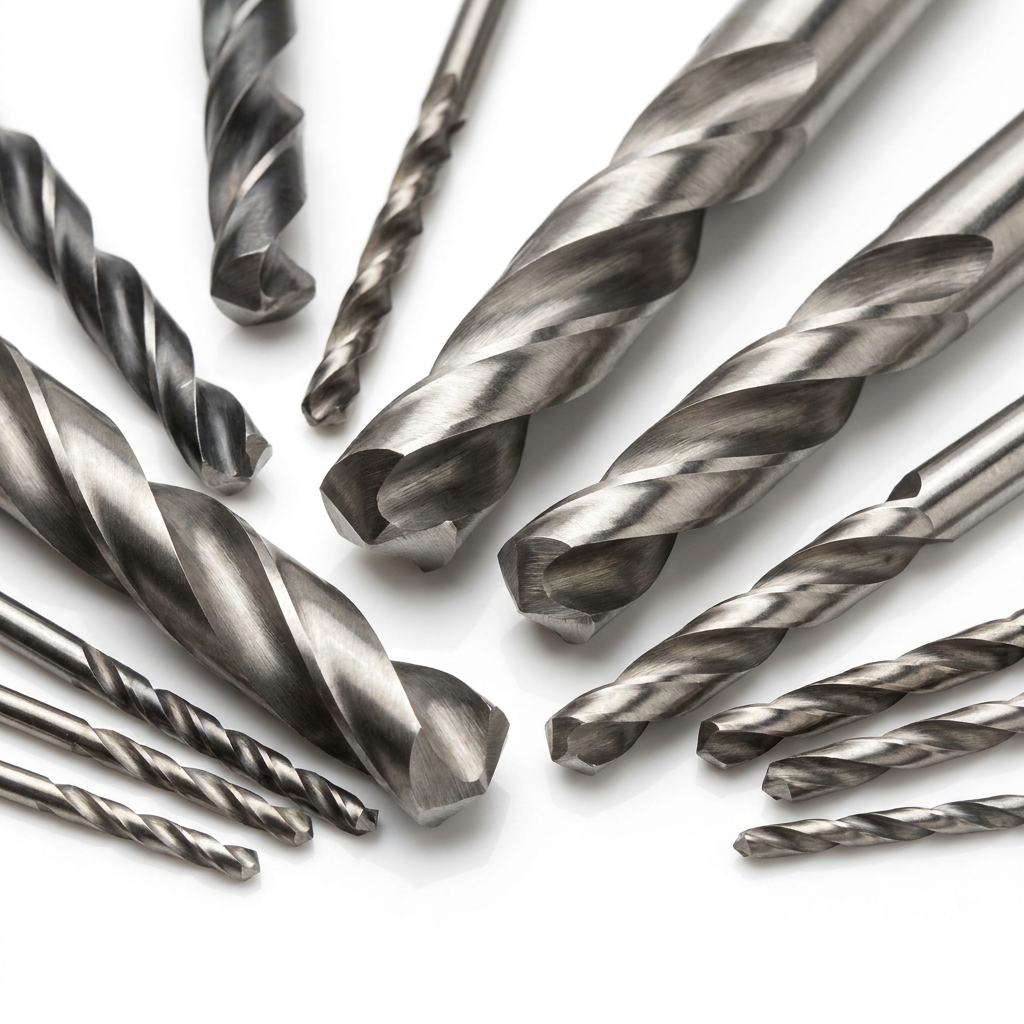
The spiral flute design incorporated into every jobber drill bit represents sophisticated engineering that addresses multiple functional requirements simultaneously, delivering performance advantages that directly benefit users across all skill levels and applications. These helical grooves, precision-ground along the bit length, create efficient pathways that rapidly transport chips and swarf away from the cutting zone, preventing the accumulation that causes binding, overheating, and surface damage. When you drill with a properly designed jobber drill bit, the rotating flutes act as an Archimedean screw, mechanically lifting debris upward and outward from the hole even when drilling vertically downward into horizontal surfaces. This continuous evacuation maintains clean cutting conditions at the bit tip, allowing the cutting edges to engage fresh material rather than re-cutting chips, which dramatically reduces cutting forces and heat generation. The flute geometry also creates channels for cutting fluid delivery in applications where lubrication and cooling prove essential for achieving acceptable tool life and surface finish. Professional metalworkers drilling tough alloys or performing deep-hole operations rely on this fluid circulation capability to maintain temperatures within acceptable ranges and flush away the fine particles that would otherwise weld to cutting edges. The helix angle, typically standardized around thirty degrees for general-purpose jobber drill bits, represents an optimized compromise between chip removal efficiency and cutting edge strength, providing robust performance across diverse materials from soft aluminum to hardened steel. The flute depth and width receive careful attention during manufacturing, as insufficient volume causes chip packing while excessive material removal weakens the bit structure. Modern production techniques including precision grinding and computer-controlled quality verification ensure consistent flute geometry that delivers predictable performance characteristics throughout the bit life. Users benefit from this consistency through reduced variability in drilling results, fewer unexpected failures, and the ability to establish reliable process parameters that work repeatedly across production runs. The polished flute surfaces minimize friction between chips and bit body, reducing the power required to maintain cutting speed and decreasing the heat generated through mechanical interaction, factors that become particularly significant when operating battery-powered tools with limited energy reserves or when drilling heat-sensitive materials where thermal damage concerns dictate conservative cutting parameters.
Universal Compatibility and Standardized Design for Maximum Convenience

Universal Compatibility and Standardized Design for Maximum Convenience

The jobber drill bit adheres to internationally recognized manufacturing standards that ensure universal compatibility across drilling equipment, a practical advantage that simplifies tool acquisition, inventory management, and operational flexibility for professionals and hobbyists alike. This standardization means you can confidently purchase jobber drill bits knowing they will fit your existing drill chucks, press spindles, and quick-change tooling systems without requiring adapters or special accommodation. The commitment to standard dimensions extends beyond basic shank configurations to include consistent length specifications, point geometry, and performance characteristics that allow users to develop reliable drilling procedures transferable across different bit brands and suppliers. When you stock your workshop with jobber drill bits in commonly used sizes, you establish a versatile capability that addresses unexpected drilling requirements without emergency tool purchases or project delays. The availability of these bits through virtually every hardware retailer, industrial supplier, and online marketplace ensures you never face extended downtime waiting for specialty items to arrive, a logistical advantage that proves invaluable in time-sensitive repair situations or rush production scenarios. Maintenance personnel particularly appreciate this accessibility when responding to equipment failures requiring immediate drilling operations to restore functionality. The standardized design also facilitates knowledge transfer and training, as techniques and best practices developed with one jobber drill bit apply directly to others regardless of manufacturer, reducing the learning curve when introducing new team members to drilling operations. Quality manufacturers produce jobber drill bits in comprehensive size ranges covering fractional inch, metric, letter, and number drill specifications, allowing you to select precisely the diameter required for tapping operations, clearance holes, or dimensional features without compromising accuracy through undersized or oversized holes. The standard point angles and flute configurations mean you can establish cutting parameters including speed, feed rate, and coolant application that work consistently across your bit inventory, streamlining process documentation and reducing the experimental adjustments often necessary when working with non-standard tooling. This operational consistency translates directly into improved productivity and reduced scrap rates, as operators achieve predictable results that meet specifications without extensive trial-and-error optimization. The widespread adoption of jobber drill bit standards also supports competitive pricing through manufacturing economies of scale, making quality drilling tools accessible at price points suitable for both industrial purchasers acquiring hundreds of bits and individual craftsmen building personal tool collections, democratizing access to professional-grade performance previously limited to specialized applications.

Get a Free Quote

Our representative will contact you soon.
Email
Name
Company Name
Message
0/1000