 EN
EN

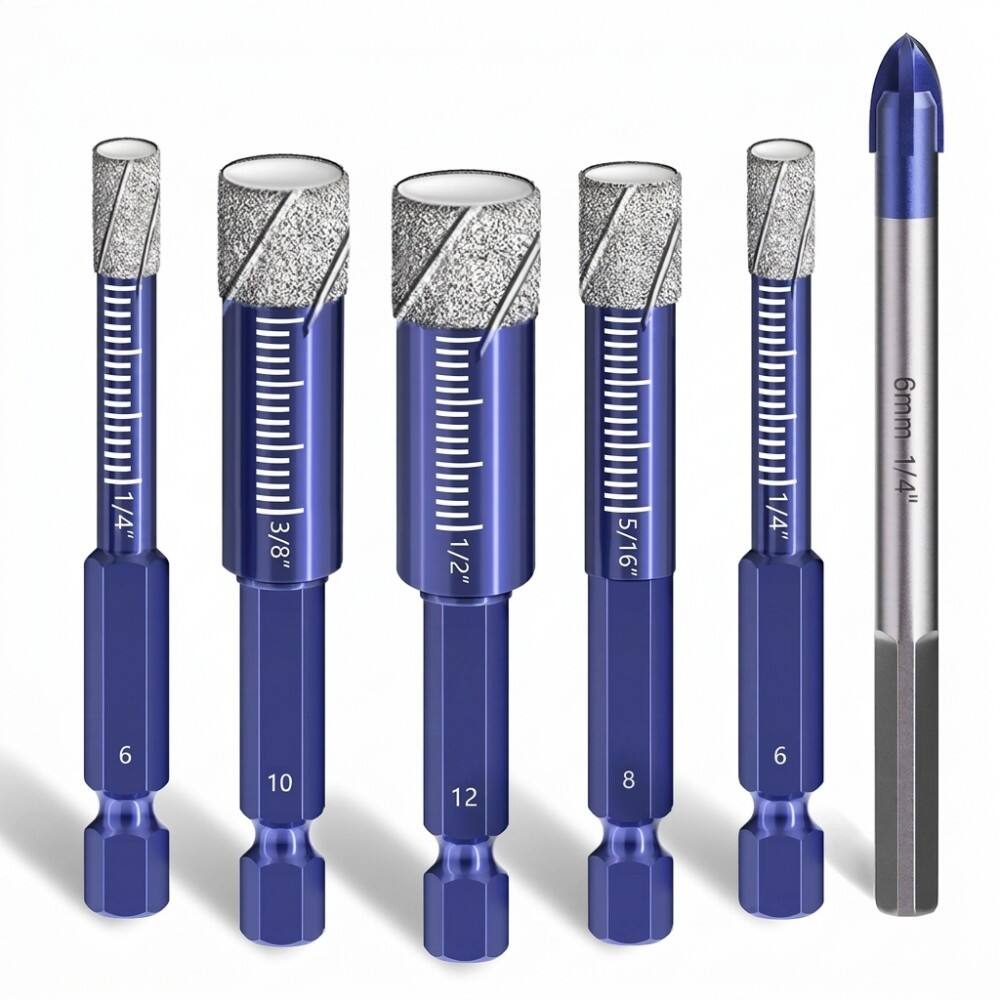
In high-volume manufacturing environments, every tool choice carries operational weight. The screwdriver bit may appear to be a minor component in the broader assembly process, yet its precision directly influences cycle time, joint integrity, and the consistency of finished products leaving the line. When manufacturers evaluate where quality breakdowns originate, fastening errors often rank among the most preventable causes — and the quality of the screwdriver bit used is a primary variable in that equation.
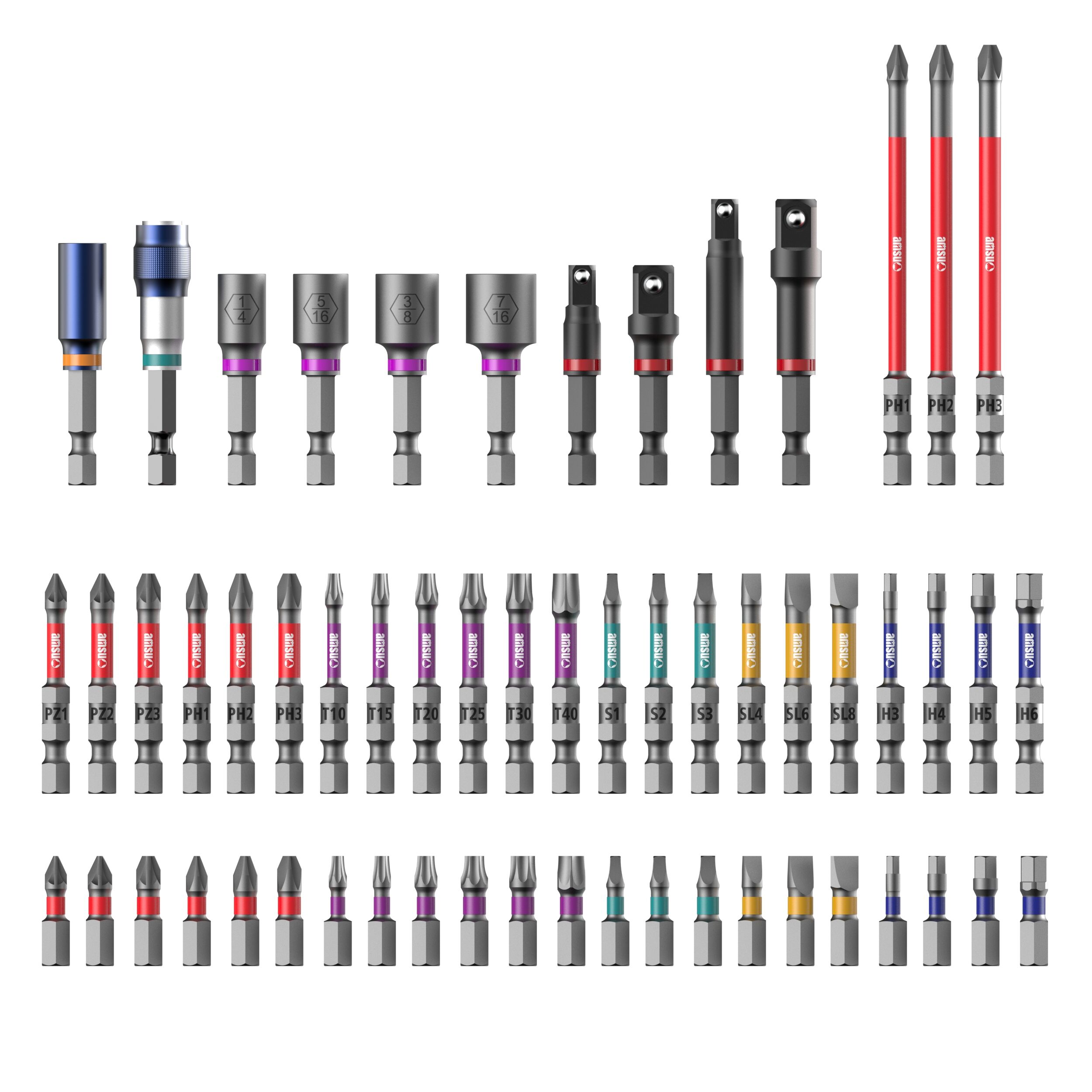
Precision-grade screwdriver bit solutions are engineered to address the exact tolerances, torque demands, and material compatibility challenges that production lines encounter daily. Unlike general-purpose alternatives, these tools are designed with tighter manufacturing specs, superior steel grades, and optimized tip geometries that interact cleanly with fastener heads. The cumulative advantage this provides — across hundreds of thousands of assembly cycles — is measurable, traceable, and directly tied to production efficiency and product reliability.
Dimensional Accuracy and Its Role in Fastening Performance
How Tip Geometry Affects Engagement Quality
The geometry of a screwdriver bit tip is not a superficial design element. It determines how evenly torque transfers from the tool to the fastener head and how much lateral force the operator or machine must compensate for during engagement. A precision-machined screwdriver bit maintains tight dimensional tolerances at the tip, ensuring full contact across the fastener recess walls rather than point contact at the edges.
When tip geometry is inconsistent or slightly off-spec, the result is cam-out — the rotational slipping of the bit from the fastener head under load. In manual assembly, cam-out causes operator fatigue and surface damage. In automated lines, it causes cycle interruptions, sensor faults, and inconsistent torque results. A precision screwdriver bit reduces cam-out probability significantly by maintaining engagement geometry within the tolerances specified by fastener standards.
Manufacturing lines running mixed fastener types — Phillips, Pozidriv, Torx, hex, or slotted — benefit especially from dimensional precision because each drive type has its own engagement angle and clearance requirement. A screwdriver bit produced to exact spec for each drive type ensures that fastener head damage, which creates rework and scrap, remains a rare rather than routine occurrence.
Consistency Across High-Volume Repetition
Dimensional accuracy is not just about the first cycle — it is about maintaining that accuracy across thousands of cycles before replacement is required. Precision screwdriver bit products are typically manufactured from high-grade steel alloys with surface treatments that resist deformation under repeated torque loads. This hardness and geometry retention translates directly into consistent fastening performance across a full production run.
When a screwdriver bit degrades prematurely, production supervisors face a difficult choice: replace early and increase consumable costs, or continue and risk fastening defects. A precision-grade screwdriver bit extends the replacement interval without compromising the geometry that drives consistent results. For lines running multiple shifts, this difference in tool life adds up to meaningful reductions in both downtime and material costs.
Torque Transmission and Structural Integrity in Assembly
Why Torque Accuracy Matters at the Fastener Level
Assembly specifications in sectors like automotive, electronics, aerospace, and medical device manufacturing require fasteners to be tightened within defined torque windows. Exceeding the upper limit risks stripping threads or cracking mating materials. Falling below the lower limit risks joint loosening under vibration or load. The screwdriver bit is the final link in the torque chain — any geometric or material weakness in it introduces variability that a torque wrench or electric driver alone cannot correct.
A precision screwdriver bit transmits torque cleanly because its shank, blade, and tip maintain consistent cross-sectional geometry. Torsional rigidity — the resistance to twisting under applied torque — is a function of steel grade, heat treatment, and dimensional precision. A screwdriver bit with high torsional rigidity delivers more of the applied torque to the fastener and less to elastic deformation within the bit itself, resulting in more accurate final joint clamping force.
This matters especially in automated tightening systems where the controller monitors torque feedback in real time. If the screwdriver bit absorbs or loses torque inconsistently across its service life, the system's torque signature becomes unreliable, leading to false rejects or missed defects. Precision bits help maintain the signal integrity that smart assembly systems depend on.
Reducing Fastener and Component Damage on the Line
Fastener head damage — recess rounding, surface scarring, or head deformation — is a direct cost driver in manufacturing. It generates rework time, consumable waste, and in some cases subassembly scrap. The screwdriver bit is the primary cause of this damage category, either through cam-out under load or through tip wear that creates an improper fit before the fastener is fully seated.
Precision screwdriver bit products minimize these failure modes through tighter tip tolerances and harder surface finishes that resist deformation over time. When the tip remains dimensionally stable, the screwdriver bit continues to engage cleanly with fresh fastener recesses and applies torque without slipping or gouging. The downstream effect is fewer damaged fasteners reaching inspection, less rework queuing at assembly stations, and lower scrap rates over the production period.
Material and Surface Engineering Behind Precision Performance
Steel Grade Selection and Its Impact on Longevity
Not all screwdriver bit products are made from the same base material. General-purpose bits often use lower-grade steel that balances cost against moderate performance expectations. Precision-grade screwdriver bit products, by contrast, are manufactured from S2 tool steel, chrome vanadium steel, or other alloys specifically chosen for high hardness combined with toughness — the ability to resist both wear and fracture under impact or shock loads.
The hardness of a screwdriver bit's working tip is measured on the Rockwell scale, and precision manufacturers control this hardness zone carefully. A tip that is too soft wears quickly and loses its geometry. A tip that is too hard without sufficient toughness becomes brittle and susceptible to fracture under shock loading, which is a safety and quality risk on production lines. Precision heat treatment processes balance these two properties to extend service life while maintaining structural safety.
Surface treatments such as black oxide, titanium nitride, or chrome plating are also common on precision screwdriver bit products. These treatments reduce friction between the bit tip and the fastener recess during engagement, which lowers cam-out force, improves operator feel in manual applications, and reduces heat buildup in high-speed pneumatic or electric driver applications.
Drive Type Compatibility and Tip Standardization
Manufacturing lines sourcing screwdriver bit sets for mixed-fastener assemblies rely on dimensional standardization to ensure that each bit in a set performs consistently regardless of drive type. Precision-engineered screwdriver bit products adhere to recognized international standards — such as ISO 1173 for shank profiles or ISO 2380 for blade dimensions — ensuring interoperability with tool holders, bit holders, and driver chucks from various equipment suppliers.
Standardization also simplifies procurement and inventory management. When every screwdriver bit in a production environment is manufactured to the same dimensional and material spec, quality control teams can validate performance from a single sample set rather than testing each drive type individually. This reduces qualification time when changing suppliers or expanding the fastener mix in a product line.
Operational Benefits Across Different Manufacturing Contexts
Manual Assembly Stations
In manual assembly environments, the screwdriver bit interacts with a human operator on every cycle. Operator fatigue, grip variability, and positional inconsistency all place demands on the bit that differ from automated systems. A precision screwdriver bit compensates for these human factors by engaging reliably even when approach angle is slightly off, reducing the micro-corrections operators make to maintain engagement.
When operators spend less physical effort correcting for bit slip or cam-out, their ergonomic load decreases over a shift. This contributes to sustained throughput rates and reduces the risk of repetitive strain incidents associated with high-torque manual fastening. For production managers focused on both output and workforce health, the quality of the screwdriver bit is a legitimate ergonomics variable, not just a tooling decision.
Bit retention in manual drivers is another practical advantage of precision manufacturing. Screwdriver bit products with properly machined shank profiles seat firmly in quick-release bit holders without excessive play. This reduces the chance of a bit dropping during operation — a small but real source of line interruption and potential product contamination in sensitive industries.
Automated and Semi-Automated Fastening Systems
Automated screwdriving systems — whether inline, robotic, or collaborative — operate on the assumption that each screwdriver bit in rotation will perform identically. Any variation in tip geometry, shank runout, or torsional stiffness creates cycle-to-cycle inconsistency that can trigger false torque errors, require frequent recalibration, or result in defective joints that pass in-process inspection but fail later in service.
Precision screwdriver bit products reduce these risks by maintaining tighter shank concentricity, consistent tip form, and predictable wear progression. When a screwdriver bit wears gradually and uniformly rather than suddenly failing, automated systems can trend its performance data and schedule replacement proactively. This shifts maintenance from reactive to predictive — a meaningful operational advantage in high-output environments where unplanned downtime is costly.
In robotic assembly cells, bit runout is a critical variable because even a small eccentricity in the rotating screwdriver bit can cause the tip to miss the fastener recess at high approach speeds. Precision-machined shanks with tight concentricity tolerances minimize this miss-rate, increasing first-pass engagement success and reducing the need for robotic retry sequences that extend cycle time.
FAQ
What makes a screwdriver bit 'precision-grade' compared to a standard one?
A precision-grade screwdriver bit is distinguished by tighter dimensional tolerances at the tip and shank, higher-grade steel alloys, controlled heat treatment for optimal hardness and toughness balance, and surface treatments that reduce friction and wear. Standard bits are manufactured to broader tolerances and often use lower-grade materials, which limits their performance consistency in high-cycle industrial applications.
How often should a screwdriver bit be replaced on a production line?
Replacement intervals depend on the drive type, fastener material, torque level, and cycle frequency. A precision screwdriver bit typically extends the service interval compared to standard alternatives due to better wear resistance and geometry retention. Most production environments establish change intervals based on cycle counts or periodic tip inspection, with worn bits showing visible rounding or deformation at the engagement surfaces.
Can a precision screwdriver bit improve torque accuracy in automated systems?
Yes. A precision screwdriver bit contributes to torque accuracy by minimizing energy loss within the bit itself through high torsional rigidity, and by maintaining consistent engagement geometry that ensures clean torque transfer to the fastener. In automated systems using torque feedback control, a more consistent screwdriver bit helps the controller maintain reliable torque signatures across the full production run.
Are precision screwdriver bits compatible with standard quick-release bit holders?
Precision screwdriver bit products manufactured to international shank standards — such as the 1/4-inch hex shank profile specified in ISO 1173 — are fully compatible with standard quick-release bit holders used in manual drivers, electric screwdrivers, and automated fastening systems. The key advantage of a precision-machined shank is reduced play within the holder, which improves bit stability and reduces vibration during high-speed operation.
Table of Contents
- Dimensional Accuracy and Its Role in Fastening Performance
- Torque Transmission and Structural Integrity in Assembly
- Material and Surface Engineering Behind Precision Performance
- Operational Benefits Across Different Manufacturing Contexts
-
FAQ
- What makes a screwdriver bit 'precision-grade' compared to a standard one?
- How often should a screwdriver bit be replaced on a production line?
- Can a precision screwdriver bit improve torque accuracy in automated systems?
- Are precision screwdriver bits compatible with standard quick-release bit holders?