 EN
EN

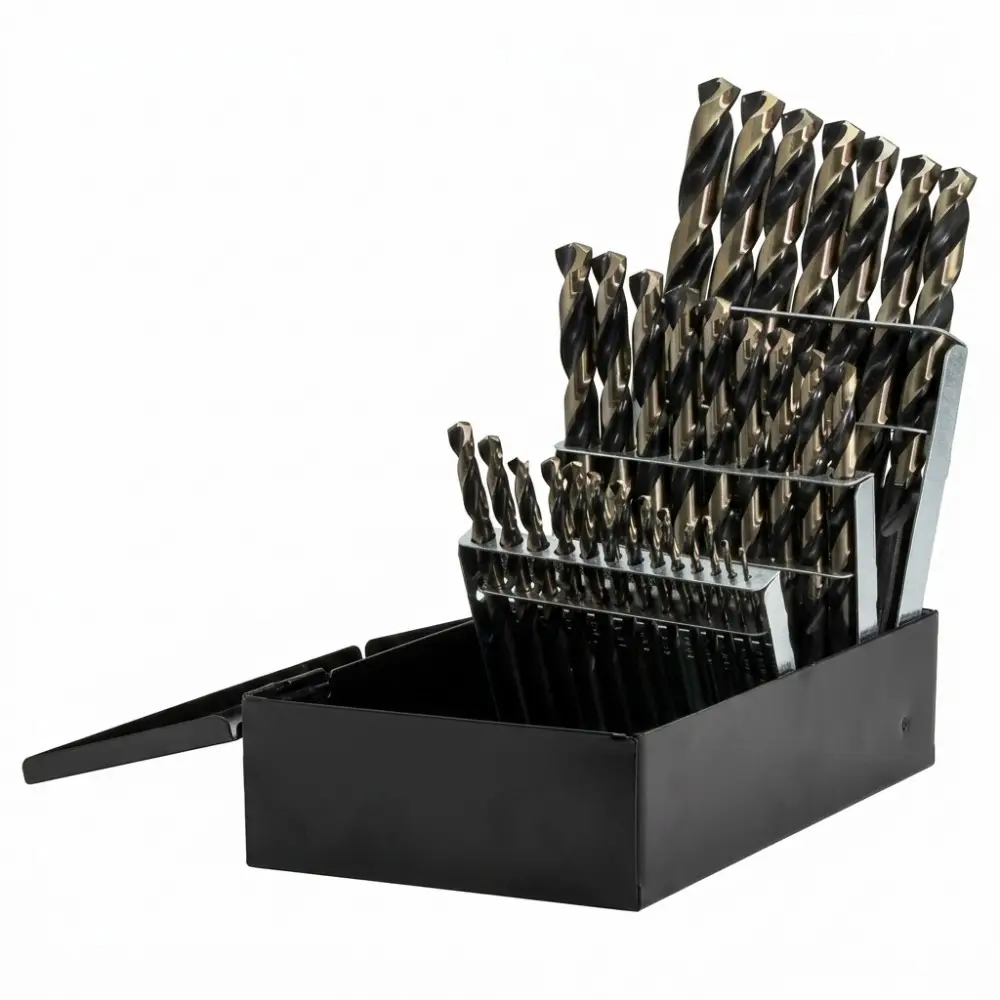
Choosing the correct drill bit for a given industrial material is one of the most consequential decisions a machinist, fabricator, or procurement engineer can make. The wrong selection leads to premature tool wear, poor hole quality, damaged workpieces, and unnecessary downtime — all of which translate directly into lost productivity and higher operational costs. Whether you are working with mild steel, hardened alloys, aluminum, composites, or plastics, every material demands a specific type of drill bit geometry, coating, and cutting speed to deliver consistent, high-quality results.
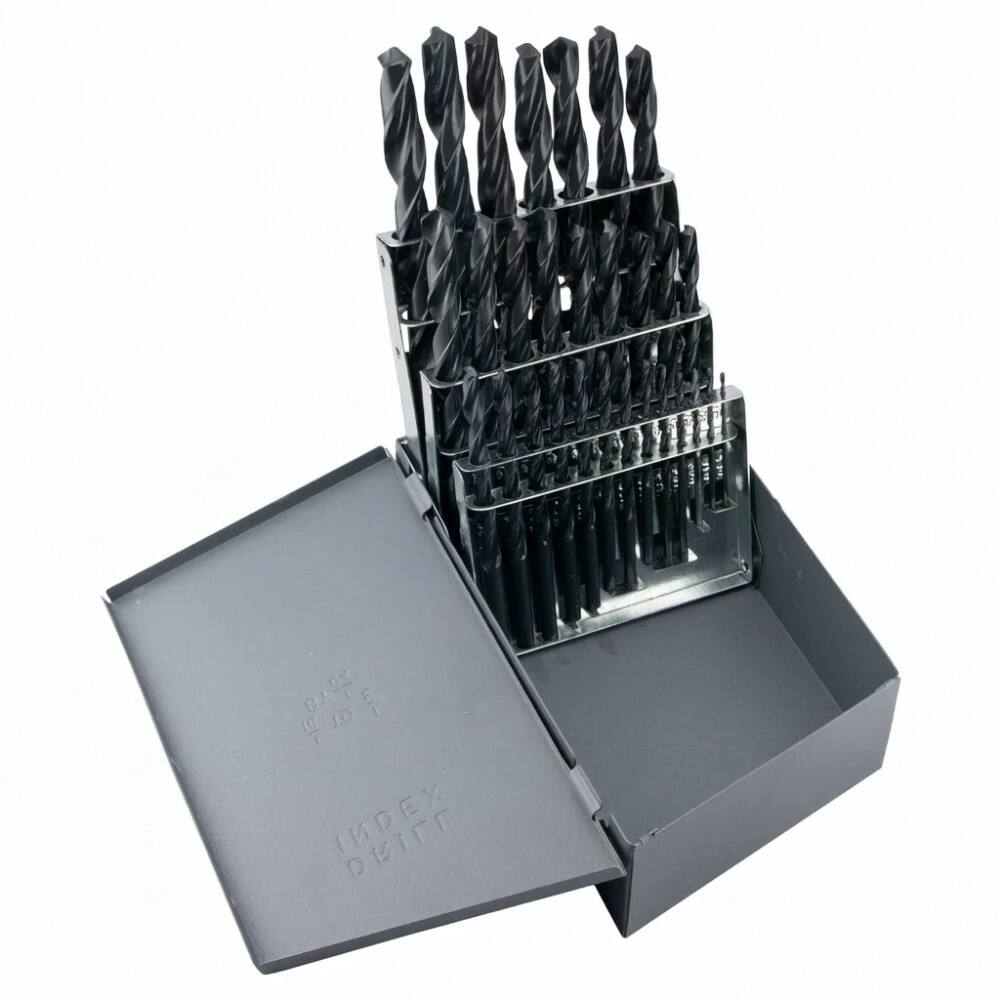
This guide walks you through the core selection logic for matching a drill bit to the material at hand. Rather than offering a generic overview of drilling tools, it focuses on the practical decision-making process: which properties to evaluate, how material hardness and composition influence the choice, and what trade-offs to consider when working across multiple material types in the same production environment. By the end, you will have a clear, structured method for selecting the right drill bit every time — regardless of the material challenge in front of you.
Understanding the Core Properties of a Drill Bit
Geometry and Its Role in Material Compatibility
The physical geometry of a drill bit — including its point angle, helix angle, web thickness, and flute design — determines how it enters a material, how chips are evacuated, and how much heat is generated during cutting. These factors are not universal. A geometry optimized for soft aluminum will perform poorly on hardened steel, and vice versa. Understanding these geometric variables is the first step in making an informed drill bit selection for any industrial application.
Point angle is one of the most critical geometric variables. A 118-degree point angle is standard for general-purpose drilling in softer materials like aluminum and mild steel, offering a good balance between cutting aggressiveness and stability. For harder materials such as stainless steel or tool steel, a 135-degree split-point angle is preferred because it reduces walking, requires less thrust force, and self-centers more reliably on the workpiece surface. This distinction alone can determine whether a drill bit produces a clean hole or causes chatter and deviation.
Helix angle governs how effectively chips are cleared from the cutting zone. High-helix drill bits — typically with angles above 35 degrees — are well-suited to soft, gummy materials like aluminum and copper because they evacuate chips quickly and prevent material from re-welding into the flutes. Low-helix designs, on the other hand, are more rigid and better suited to hard, brittle materials where chip fragmentation rather than evacuation is the priority. Choosing the wrong helix angle for the material will accelerate wear and compromise hole tolerance.
Material Composition of the Drill Bit Itself
The substrate from which a drill bit is manufactured defines its hardness, toughness, heat resistance, and maximum operating speed. High-speed steel (HSS) remains the most widely used material for general industrial drilling due to its combination of toughness and cost-effectiveness. An HSS drill bit can handle a broad range of common materials when operated at appropriate speeds, making it a reliable default choice for job shops and maintenance environments with varied workloads.
Cobalt-grade drill bits — typically designated as HSS-Co — incorporate cobalt into the steel matrix, raising the tool's red hardness and allowing it to retain a cutting edge at higher temperatures. This makes cobalt drill bits the preferred choice for drilling stainless steel, titanium, and heat-resistant superalloys where friction-generated heat would otherwise soften and dull a standard HSS drill bit rapidly. The trade-off is slightly reduced toughness, meaning cobalt drill bits are more prone to chipping under intermittent or impact loads.
Solid carbide drill bits offer the highest hardness and the best performance in abrasive or very hard materials, including cast iron, carbon fiber reinforced polymers (CFRP), and hardened steels. However, carbide is brittle, so these drill bits require rigid, vibration-free setups to avoid catastrophic fracture. For most industrial environments, carbide-tipped or coated HSS variants represent a practical middle ground, delivering enhanced performance without the fragility and cost of full solid carbide tooling.
Matching the Drill Bit to Specific Industrial Materials
Drilling Steel and Ferrous Alloys
Steel is the most commonly drilled material in industrial settings, yet it encompasses a wide range of grades that each respond differently to tooling. Mild steel (low-carbon steel) is relatively forgiving and can be drilled efficiently with a standard HSS drill bit at moderate spindle speeds. The key consideration is chip management — mild steel produces long, stringy chips that can wrap around the tool or scratch the workpiece if not controlled through proper feed rates and periodic retraction.
Stainless steel presents a significantly greater challenge due to its work-hardening tendency. When the cutting action is too slow or inconsistent, the surface layer hardens ahead of the cutting edge, forcing the drill bit to cut through a progressively harder zone. To counter this, a cobalt or TiAlN-coated HSS drill bit used at steady, uninterrupted feed rates is the recommended approach. Dwelling or allowing the tool to rub without cutting will trigger work hardening almost immediately and dramatically shorten drill bit life.
Hardened tool steels and high-alloy steels require either solid carbide tooling or coated cobalt drill bits with reduced speeds and high cutting pressures. Flood coolant or cutting oil is essential to prevent thermal damage. In these applications, rigidity in the machine setup is as important as the drill bit specification itself — any deflection or vibration will cause premature failure regardless of how appropriate the drill bit selection is.
Drilling Non-Ferrous Metals
Aluminum is among the easiest industrial metals to drill, but it has its own challenges. Its softness means it deforms readily, and without proper chip evacuation, built-up edge (BUE) forms on the cutting faces, leading to rough hole surfaces and dimensional inaccuracy. A high-helix HSS or HSS-E drill bit with a bright (uncoated) or ZrN-coated surface is typically recommended for aluminum. Coatings that create excessive friction — such as TiN — can actually worsen BUE in aluminum and should be avoided.
Copper and brass require careful management because of their ductility. Brass, particularly, has a tendency to 'grab' — the drill bit can suddenly self-feed into the material as cutting resistance drops, causing the hole to oversize or the workpiece to spin. Reducing the drill bit's rake angle (or using a flat-ground rake) eliminates this grabbing behavior. Running at higher speeds with light feed pressure gives the best results in copper alloys, and a standard HSS drill bit is usually sufficient without special coatings.
Titanium and its alloys are classified as difficult-to-cut materials due to their low thermal conductivity, high strength-to-weight ratio, and tendency to weld to the cutting tool. A cobalt drill bit with a TiAlN or AlTiN coating, used with generous cutting fluid and low spindle speeds, is the standard industrial approach. Short peck cycles — where the drill bit is retracted periodically to break chips and allow coolant to reach the cutting zone — are essential to prevent heat buildup and galling.
The Role of Coatings in Drill Bit Selection
Common Coatings and Their Target Applications
Surface coatings applied to a drill bit through physical vapor deposition (PVD) or chemical vapor deposition (CVD) processes significantly extend tool life and expand the range of materials a single tool can handle. The most common coating for general industrial use is titanium nitride (TiN), which provides a modest increase in surface hardness and reduces friction. TiN-coated drill bits are suitable for drilling mild steel, medium-carbon steel, and some cast irons, and they offer a clear visual indicator of wear as the gold-colored coating erodes.
Titanium aluminum nitride (TiAlN) is a more advanced coating that offers superior oxidation resistance at high temperatures, making it the preferred choice for drilling stainless steel, hardened alloys, and materials that generate significant heat at the cutting interface. TiAlN-coated drill bits can often be run dry or with minimal cooling in applications where flood coolant is impractical. Their dark violet-grey appearance distinguishes them from TiN-coated tools and signals their suitability for demanding applications.
Black oxide is a low-cost surface treatment rather than a true hard coating, but it provides mild corrosion resistance and slight lubricity. Black oxide drill bits are typically used for manual or light-duty operations in mild steel and wood, and they represent a cost-effective option when tool life expectations are moderate. For high-production industrial environments, the step up to TiN or TiAlN coatings is almost always justified by the extended tool life and more consistent hole quality they deliver.
Matching Coating to Material: A Decision Framework
Selecting the right coating for a drill bit requires matching the coating's thermal and tribological properties to the material's specific drilling behavior. For soft, non-ferrous metals like aluminum and copper, uncoated or ZrN-coated drill bits minimize BUE and produce cleaner holes. For ferrous metals in the low-to-medium hardness range, TiN or TiCN coatings offer a reliable performance upgrade. For high-hardness alloys, stainless steels, and heat-resistant superalloys, TiAlN or AlTiN is the appropriate coating choice.
It is also important to consider whether the application involves wet or dry cutting. Some coatings — particularly TiAlN — actually perform better in dry high-speed conditions because the coating generates a thermally stable aluminum oxide layer that acts as a thermal barrier. Applying flood coolant to a drill bit that performs optimally dry can introduce thermal shock and reduce the coating's effectiveness. Understanding the coating's intended operating environment is as important as knowing its hardness rating.
Operational Parameters That Affect Drill Bit Performance
Spindle Speed and Feed Rate
Even the most precisely selected drill bit will underperform or fail prematurely if operated at the wrong speed or feed rate. Spindle speed (measured in RPM) should be calculated based on the recommended cutting speed for the material and the drill bit's diameter. Smaller diameter drill bits require proportionally higher RPM to maintain the same surface cutting speed. Running a drill bit too fast in hard materials generates excessive heat; running it too slowly in soft materials increases rubbing and can cause work hardening.
Feed rate — the rate at which the drill bit advances into the workpiece per revolution — must be matched to the material's machinability and the drill bit's geometry. Insufficient feed leads to rubbing rather than cutting, generating heat and accelerating wear. Excessive feed causes deflection, chatter, and potential breakage. For most industrial materials, drilling handbooks and cutting tool manufacturers provide recommended feed-per-revolution tables that serve as reliable starting points, with fine-tuning based on observed chip color, sound, and surface finish.
Coolant, Lubrication, and Setup Rigidity
Coolant and lubrication serve multiple functions in industrial drilling: they reduce cutting temperatures, flush chips from the hole, lubricate the drill bit's margins against the hole wall, and extend tool life. The choice between flood coolant, mist cooling, through-spindle coolant, and cutting oil depends on the material and the machine configuration. Through-spindle coolant is particularly valuable for deep-hole drilling, where chip evacuation and heat dissipation are difficult to achieve through external means.
Machine and fixture rigidity are often overlooked but critically important variables in drill bit performance. Any flex in the spindle, chuck, or workpiece fixture amplifies vibration at the cutting edge, increasing tool wear and reducing hole positional accuracy. When drilling hard or abrasive materials, the investment in a rigid setup — including quality chucks, well-supported workholding, and a stable machine base — multiplies the effectiveness of any drill bit specification decision. A premium drill bit in a loose or vibrating setup will rarely outperform a basic tool in a rigid, well-aligned machine.
FAQ
What is the best drill bit material for stainless steel?
For stainless steel, cobalt-grade HSS (HSS-Co) is the recommended drill bit material. Cobalt retains its hardness at elevated temperatures, which is essential when drilling stainless steel due to its work-hardening tendency. Using a TiAlN-coated cobalt drill bit with a steady, uninterrupted feed rate and appropriate cutting fluid gives the best combination of tool life and hole quality in stainless steel applications.
Can I use the same drill bit for both metal and composite materials?
In most cases, no. Composite materials like CFRP and fiberglass are highly abrasive and quickly dull conventional metal-cutting drill bits, causing delamination and fraying at the hole exit. Specialized drill bits with carbide or diamond coatings, and geometry designed to shear rather than push fibers, are required for composites. Using a standard metal drill bit on composites will compromise both hole quality and tool life rapidly.
How do I know when a drill bit needs to be replaced or resharpened?
Key indicators include increased thrust force required to maintain feed rate, a change in chip color (particularly blueing in metal chips, which signals excessive heat), a rougher surface finish inside the drilled hole, increased noise or chatter during cutting, and visible wear on the cutting edges or margins. In production environments, setting a fixed tool life in holes drilled or linear meters machined — based on empirical data — is more reliable than visual inspection alone.
Does drill bit length affect performance in industrial applications?
Yes, significantly. Longer drill bits — such as jobber-length and extended-reach variants — have greater tendency to deflect under cutting forces compared to shorter stub-length drill bits. For deep holes, this deflection can cause positional drift and poor straightness. Jobber-length drill bits represent a practical balance between reach and rigidity for most general industrial applications, while stub-length drill bits are preferred where maximum rigidity and accuracy are critical. Always use the shortest drill bit that the application allows to minimize deflection and improve hole quality.