 EN
EN

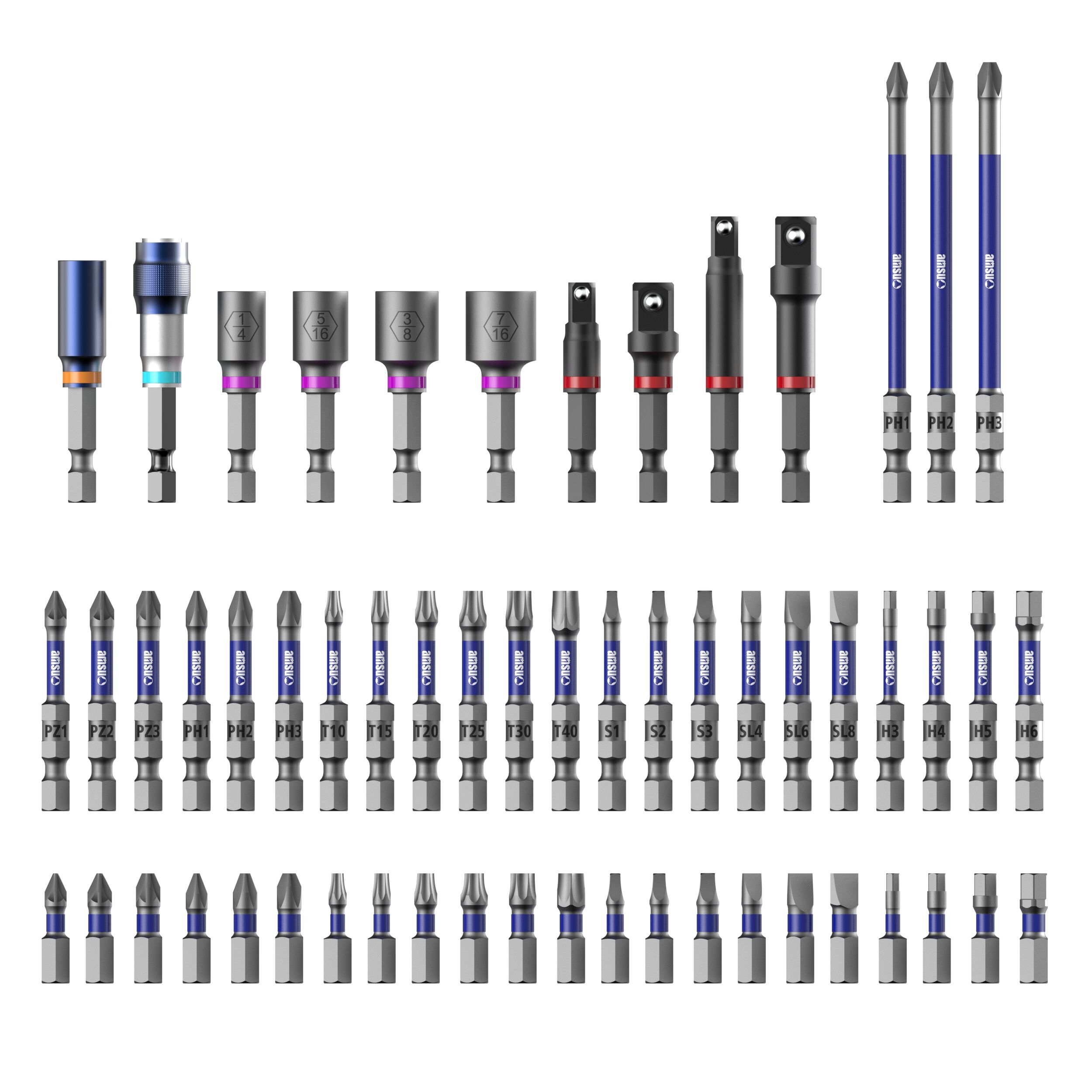
For brands looking to scale their presence in competitive markets, the strategic use of OEM power tool accessories has become one of the most reliable pathways to sustainable growth. Whether a company is just beginning to establish its identity or is seeking to expand into new product categories, leveraging original equipment manufacturer relationships allows businesses to bring high-quality, market-ready products to their customers without the overhead of full in-house manufacturing. This model is not just about cost efficiency — it is about accelerating brand equity, expanding SKU depth, and meeting demand at scale.
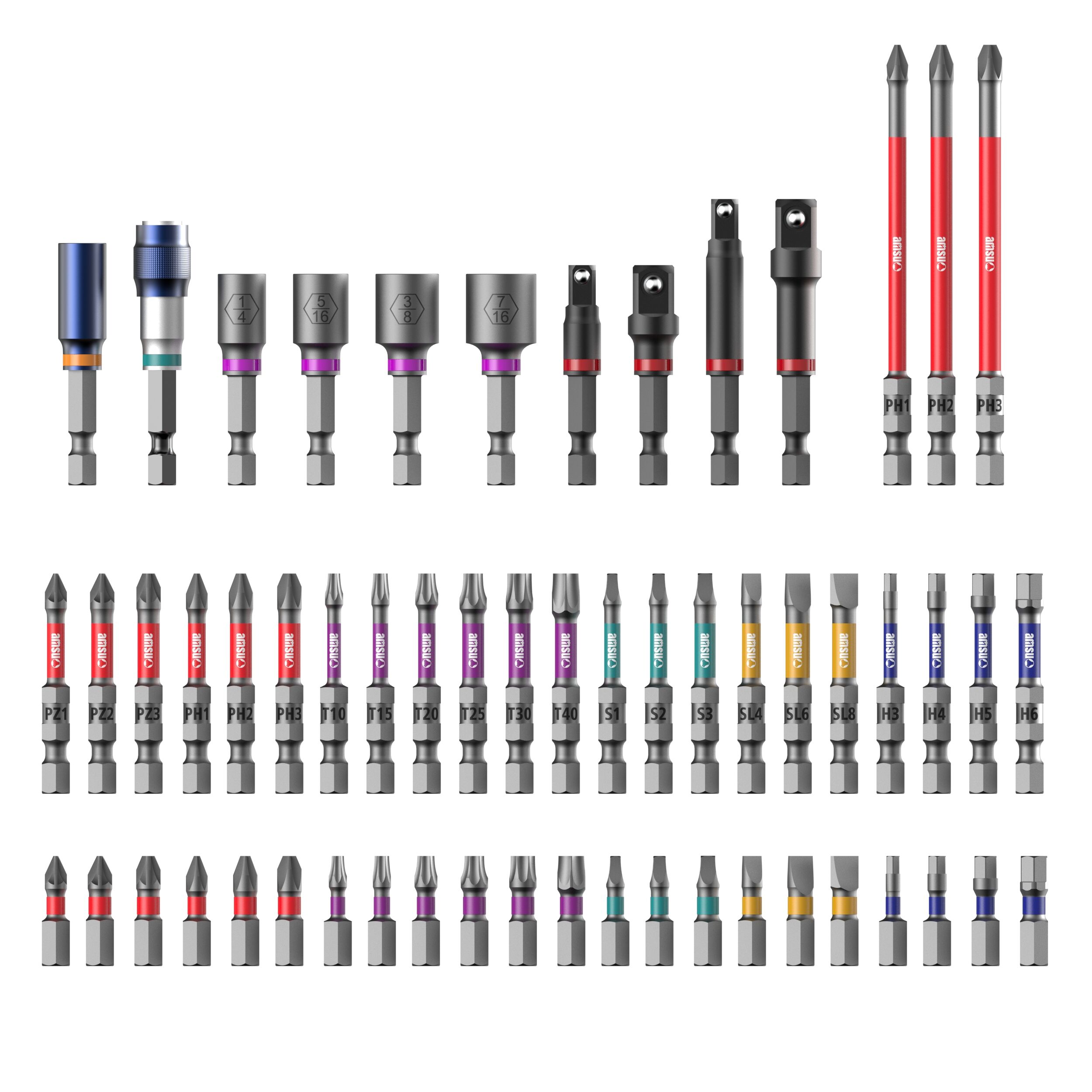
The global market for power tool accessories continues to grow as professional tradespeople, contractors, and DIY consumers demand more specialized, durable, and versatile tooling solutions. Brands that partner with experienced OEM manufacturers gain the ability to offer a comprehensive range of power tool accessories under their own label, which directly strengthens customer loyalty and broadens market reach. This article explores exactly how OEM manufacturing supports brand growth, from product development to market positioning, and why it represents such a powerful expansion strategy for companies at every stage of development.
Understanding the OEM Model for Power Tool Accessories
What OEM Manufacturing Means in the Tooling Industry
OEM, or original equipment manufacturer, refers to a production arrangement where a manufacturer produces goods that are then branded and sold by another company. In the context of power tool accessories, this means a brand can source screwdriver bits, drill bits, saw blades, grinding discs, and other tooling items from a specialized factory, apply their own branding, and sell them as part of a cohesive product lineup. This model is widely used across the industrial and consumer hardware sectors because it allows brands to focus their energy on marketing, distribution, and customer relationships rather than factory operations.
For companies entering the power tool accessories market, OEM partnerships offer an immediate path to product availability. Instead of investing years into research, tooling development, and manufacturing infrastructure, a brand can collaborate with a proven OEM supplier who already has the processes, certifications, and quality standards in place. This dramatically shortens time-to-market and allows brands to respond quickly to shifting consumer demands and emerging trends within the industry.
The OEM relationship also provides flexibility. Brands can work with manufacturers to customize specifications, materials, packaging, and even performance characteristics of their power tool accessories, ensuring that the final product aligns with their target customer expectations and brand identity. This customization capability is a key differentiator that helps brands avoid the trap of selling commodity products that compete solely on price.
How OEM Differs from Private Label in Accessories Markets
While the terms OEM and private label are sometimes used interchangeably, there are meaningful distinctions that matter for brands building long-term growth strategies. Private label typically refers to purchasing an existing, standardized product and simply applying your brand name to it. OEM, on the other hand, often involves more collaborative product development where the brand has input into design, engineering, and performance specifications of the power tool accessories being produced.
This distinction matters significantly because it affects how differentiated the final product is in the marketplace. An OEM product line of power tool accessories can carry unique attributes — a proprietary coating, a specific tip geometry, an enhanced shank design — that no competitor can replicate under a different brand name. This creates genuine intellectual and commercial value for the brand, making it harder for competitors to undercut simply by offering a visually similar alternative.
Brands that understand and leverage this distinction are better positioned to build premium product categories within the power tool accessories space. They can establish credibility not just through marketing claims, but through verifiable product performance that earns loyalty from professional users who depend on these tools in daily working conditions.
How OEM Power Tool Accessories Accelerate Brand Identity
Creating a Cohesive Product Portfolio Under Your Brand
One of the most immediate ways OEM manufacturing supports brand growth is by enabling companies to build a cohesive, branded product portfolio that spans multiple categories of power tool accessories. A brand that only offers one or two products has limited shelf presence and limited opportunities to capture repeat purchases. However, when a brand can offer screwdriver bits, drill bits, cutting wheels, and other complementary accessories under a unified design language and quality standard, it creates a comprehensive solution that buyers return to consistently.
This portfolio breadth also strengthens retailer relationships. Retail buyers — whether at independent hardware stores, large chains, or online platforms — prefer working with brands that can fill category space efficiently. A robust lineup of branded power tool accessories reduces the number of vendor relationships a retailer must manage, which gives the brand stronger negotiating leverage and better shelf positioning opportunities.
From the end customer's perspective, a broad, consistently branded range of power tool accessories signals professionalism and reliability. When a tradesperson finds that one product in a brand's lineup performs exceptionally well, they are far more likely to trial and adopt other items in the same family. This cross-category loyalty is one of the most valuable outcomes of a well-executed OEM accessory strategy.
Quality Standards That Build Brand Reputation
Brand reputation in the power tool accessories sector is built primarily on product performance. Professional users are unforgiving when accessories fail prematurely, strip fasteners, or produce poor finishes. A single quality failure can erode years of brand-building effort. This is why selecting the right OEM manufacturing partner — one with rigorous quality control systems — is foundational to a brand growth strategy.
Experienced OEM manufacturers of power tool accessories employ material science expertise, precision manufacturing processes, and multi-stage quality inspection protocols to ensure that every product leaving their facility meets consistent performance benchmarks. For brands, this means they can confidently stand behind their product claims and offer reliable performance guarantees that strengthen the buyer relationship rather than creating warranty liabilities.
Over time, consistent quality across a range of power tool accessories builds a brand reputation that is difficult and expensive for competitors to replicate. Brand recognition earned through genuine product reliability translates into pricing power, customer advocacy, and preferential treatment from distribution partners — all of which are direct contributors to sustainable brand expansion.
Market Expansion Strategies Enabled by OEM Accessories
Entering New Geographic Markets with Branded Products
Geographic expansion is one of the most compelling growth vectors for brands in the power tool accessories industry. OEM partnerships make this significantly more achievable because they remove the capital constraints that would otherwise prevent a mid-sized brand from scaling production to serve new markets. With an established OEM supplier capable of scaling output, brands can confidently pursue distribution agreements in new regions knowing that supply can meet demand without production delays.
Different regional markets often have distinct preferences in terms of product specifications, packaging requirements, and compliance certifications. OEM manufacturers with international experience can support brands in adapting their power tool accessories to meet local regulatory standards — such as CE marking in Europe or ANSI compliance in North America — without requiring the brand to develop that regulatory expertise internally. This adaptability is essential for brands with genuine ambitions to build a global presence.
The ability to localize product offerings while maintaining a consistent brand identity is a powerful competitive advantage. Brands that succeed in multiple geographic markets with their power tool accessories are often those that have built flexible OEM relationships capable of producing market-specific variations while maintaining the core quality and design standards that define the brand worldwide.
Expanding into New Trade Channels and Customer Segments
OEM manufacturing also enables brands to diversify their sales channels by creating product lines tailored to different buyer segments. The professional contractor market, the industrial MRO segment, the retail consumer market, and the e-commerce DIY segment all have different expectations around performance, packaging, price point, and product mix. A brand with a flexible OEM partner can develop specific configurations of their power tool accessories optimized for each channel without compromising their core brand positioning.
For example, a brand might offer a professional-grade line of power tool accessories with premium packaging and extended performance guarantees for the trade channel, while offering a streamlined value-tier version through mass retail or e-commerce platforms. Both lines carry the same brand name and design language, reinforcing brand recognition across every touchpoint while serving different customer priorities effectively.
This multi-channel strategy multiplies a brand's total addressable market and reduces dependence on any single distribution partner. It also creates opportunities to capture customers at different stages of their purchasing journey — from first-time buyers exploring the brand through accessible retail options, to loyal professionals who choose premium branded power tool accessories because of proven field performance.
Operational and Financial Benefits That Fuel Long-Term Growth
Capital Efficiency and Scalable Production
Building and operating a manufacturing facility for power tool accessories requires substantial capital investment in machinery, tooling, skilled labor, quality systems, and ongoing R&D. For most brands focused on market growth rather than manufacturing operations, this investment creates a distraction from core competencies and ties up capital that could be deployed more effectively in marketing, distribution, and brand development activities.
OEM partnerships solve this fundamental challenge by providing access to world-class manufacturing capabilities on a variable cost basis. Brands pay for production volume rather than carrying fixed infrastructure costs, which dramatically improves unit economics especially during the growth phase when volumes may be unpredictable. As the brand scales and volumes increase, OEM pricing typically improves, further enhancing margins and competitiveness of the power tool accessories lineup.
This capital efficiency allows brands to reinvest savings into the activities that directly drive growth — product launches, trade show presence, digital marketing, and sales team expansion. The cumulative effect of this reinvestment is an accelerating growth trajectory that would be impossible to sustain if the brand were burdened by the full cost of manufacturing ownership.
Speed to Market and Innovation Agility
Market responsiveness is a critical competitive advantage in the power tool accessories industry. Consumer preferences evolve, new materials and technologies emerge, and professional users constantly raise the bar on performance expectations. Brands that can bring new or improved power tool accessories to market quickly gain a significant edge over slower competitors who are constrained by rigid in-house production processes.
OEM manufacturers who specialize in power tool accessories typically maintain ongoing investment in process innovation, material development, and product engineering. By tapping into this expertise, brands can introduce next-generation products — whether that means carbide-tipped precision bits, advanced coatings for extended life, or ergonomically optimized designs — without building the underlying R&D capability themselves. This access to external innovation accelerates the brand's ability to stay current and relevant in the market.
When a brand identifies an emerging opportunity in the power tool accessories market — a new category gaining traction, a gap in competitor offerings, or a specific professional application that is underserved — a responsive OEM partner can move from concept to production-ready product in a timeframe that captures the opportunity before it matures. This agility is a direct contributor to both revenue growth and market share expansion.
FAQ
How do OEM power tool accessories help a new brand compete with established players?
OEM manufacturing allows new brands to enter the market with professionally engineered, quality-certified power tool accessories without the years of development time and capital investment that established competitors have built up. By partnering with experienced OEM suppliers, emerging brands can launch competitive product lines that meet professional-grade performance standards, enabling them to compete on product quality and brand differentiation rather than being limited to a low-cost positioning strategy.
What role does customization play in OEM power tool accessories for brand differentiation?
Customization is central to using OEM manufacturing as a brand-building tool. Working with an OEM partner, brands can specify unique material compositions, tip geometries, surface treatments, or packaging designs for their power tool accessories that distinguish them visually and functionally from generic alternatives. This proprietary specification creates products that are genuinely unique to the brand, supporting premium pricing and making it difficult for competitors to offer a direct substitute.
Can small or mid-sized brands realistically pursue OEM power tool accessories partnerships?
Yes, many OEM manufacturers of power tool accessories offer flexible minimum order quantities and tiered pricing structures that make partnerships accessible to smaller brands. The key is to identify manufacturing partners with experience supporting brands at various stages of growth, who can scale capacity as volumes increase. Starting with a focused range of core power tool accessories and expanding the portfolio incrementally is a proven approach for brands that are building their OEM program from a modest initial investment.
How does consistent quality in OEM power tool accessories affect long-term brand loyalty?
Consistent product quality is the single most important driver of long-term brand loyalty in the power tool accessories market. Professional users and contractors develop strong preferences for brands whose products perform reliably every time, and they are willing to pay a premium for that consistency. When OEM manufacturing partners maintain rigorous quality standards across every production run, brands benefit from a growing base of loyal customers who recommend the brand within their professional networks, creating organic growth that compounds over time.
Table of Contents
- Understanding the OEM Model for Power Tool Accessories
- How OEM Power Tool Accessories Accelerate Brand Identity
- Market Expansion Strategies Enabled by OEM Accessories
- Operational and Financial Benefits That Fuel Long-Term Growth
-
FAQ
- How do OEM power tool accessories help a new brand compete with established players?
- What role does customization play in OEM power tool accessories for brand differentiation?
- Can small or mid-sized brands realistically pursue OEM power tool accessories partnerships?
- How does consistent quality in OEM power tool accessories affect long-term brand loyalty?