 EN
EN

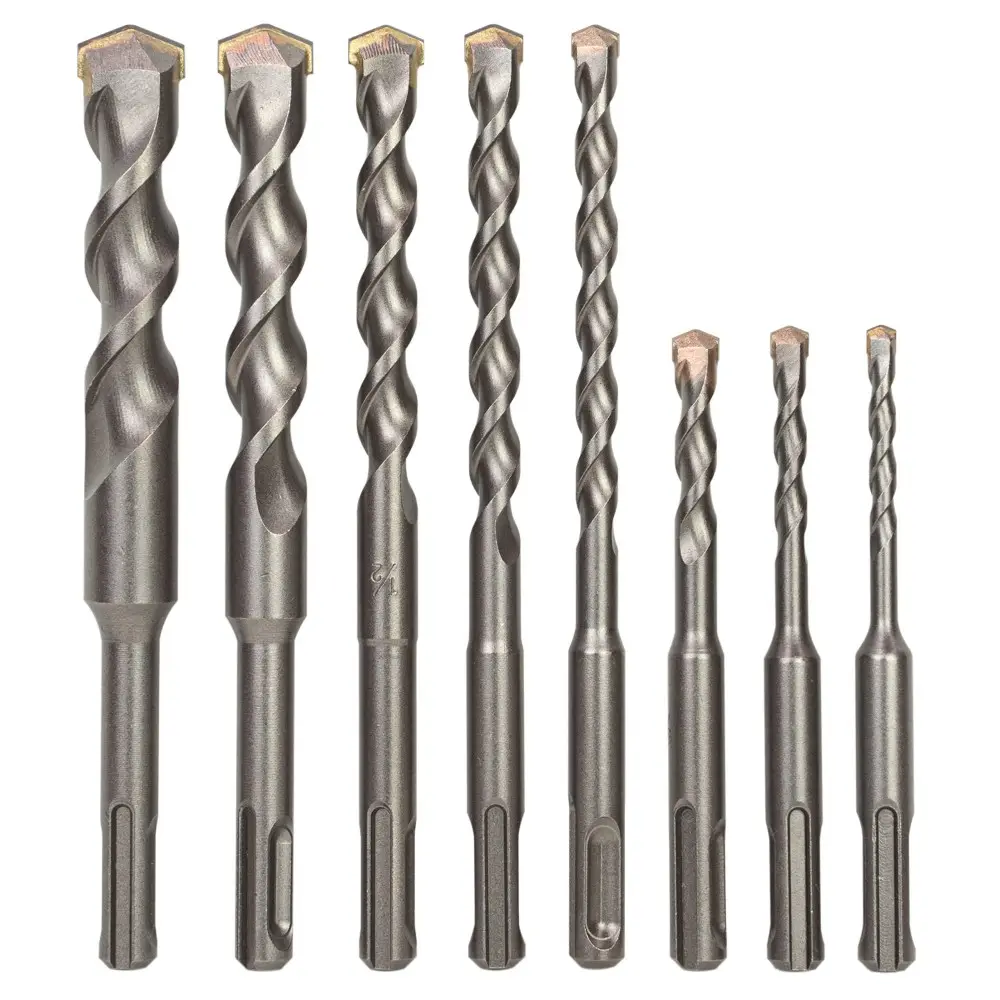
When professionals and tradespeople invest in quality equipment, they often focus on the power tool itself while underestimating how much the performance of power tool accessories influences the overall outcome of a job. Over time, even the most rugged accessories begin to show wear, deliver inconsistent results, or fail prematurely — and understanding why this happens is critical for anyone who depends on reliable performance in demanding environments. The degradation of power tool accessories is not random; it follows predictable patterns driven by specific material, operational, and environmental factors.
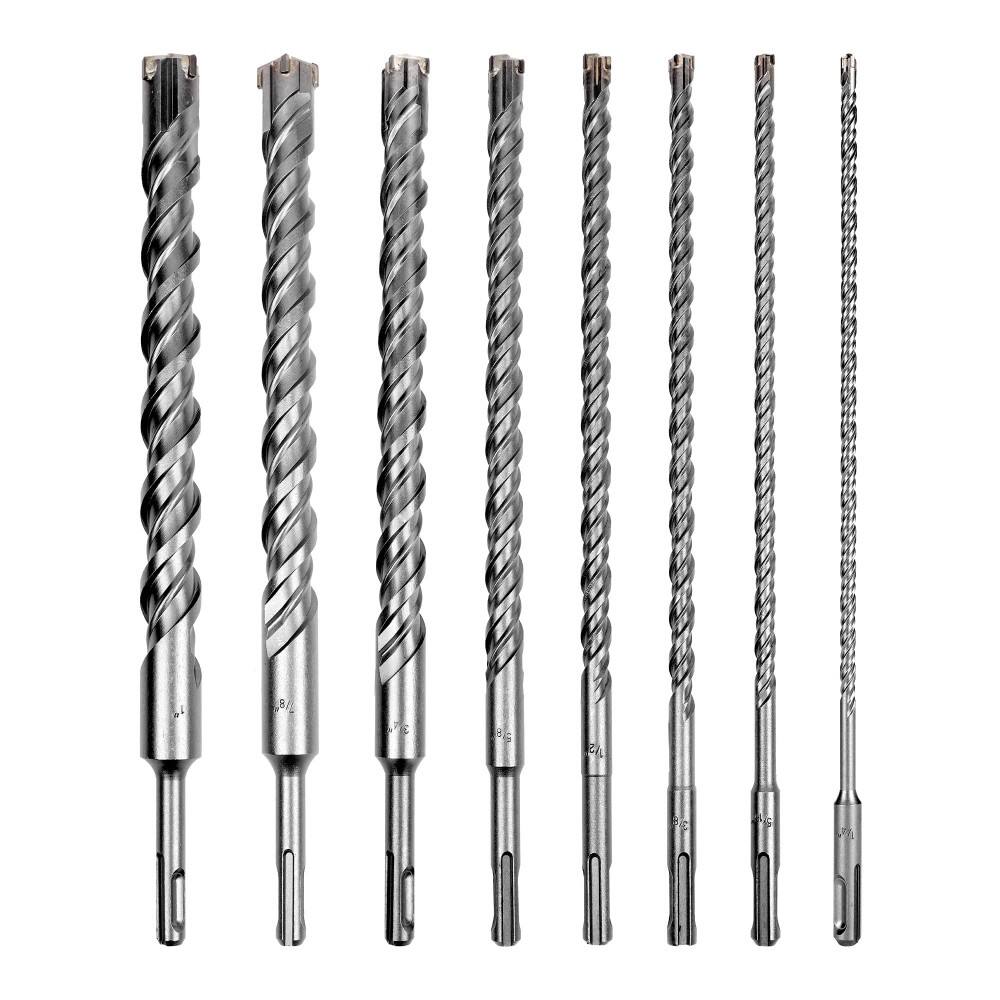
Whether you are working with drill bits, grinding discs, saw blades, or chisels, the longevity and effectiveness of your power tool accessories depend on a combination of manufacturing quality, how they are used, the materials they interact with, and how well they are maintained between sessions. This article explores each of these dimensions in depth, helping you identify the key variables that erode performance over time and how to manage them intelligently for better results and lower operating costs.
Material Composition and Build Quality
How Base Materials Determine Long-Term Durability
The foundational factor affecting the long-term performance of power tool accessories is the material from which they are manufactured. High-speed steel, carbide, tungsten alloys, and diamond-tipped composites all have dramatically different hardness ratings, thermal tolerances, and resistance to abrasion. An accessory made from inferior-grade steel may perform adequately in the first few uses, but will lose its edge geometry rapidly under sustained stress, causing vibration, inaccuracy, and potential workpiece damage.
Carbide-tipped power tool accessories, such as SDS drill bits, are engineered to withstand the repeated percussion impact and rotational friction that masonry and concrete applications generate. The carbide insert must be brazed or bonded correctly to the steel body — a weak bond leads to tip detachment, which is both a performance failure and a serious safety hazard. In contrast, accessories with well-engineered metallurgy maintain their cutting geometry far longer, delivering consistent bore diameters and penetration rates across hundreds of cycles.
Understanding the material specification of an accessory before purchase gives users a realistic expectation of service life. When comparing two seemingly similar products, the alloy grade, heat treatment process, and surface finish are the invisible factors that separate an accessory that lasts a season from one that fails within a week of heavy use.
Surface Coatings and Their Role in Preserving Performance
Beyond the base material, surface coatings play a major role in extending the effective life of power tool accessories. Titanium nitride, black oxide, and cobalt coatings are commonly applied to drill bits and blades to reduce friction at the cutting interface, improve heat dissipation, and inhibit corrosion. Without such coatings, bare metal accessories absorb more heat during operation, which accelerates softening of the cutting edge and reduces dimensional accuracy.
The quality of the coating application matters as much as the coating type itself. A uniform, well-adhered coating provides consistent lubricity and thermal protection throughout the accessory's life. Poorly applied coatings flake off quickly under operational stress, exposing the substrate to direct wear and significantly shortening the accessory's useful lifespan. For users who run power tool accessories in continuous or high-duty-cycle applications, investing in properly coated tools is one of the most cost-effective decisions available.
Operating Conditions and Usage Patterns
The Impact of Speed, Feed Rate, and Applied Pressure
How an operator uses power tool accessories has a profound effect on their rate of wear. Running accessories at incorrect speeds — either too fast or too slow for the application — places them under thermal and mechanical stress they were not designed to handle consistently. Most accessory manufacturers specify optimal RPM ranges for different materials, and deviating from these guidelines accelerates edge degradation, reduces surface finish quality, and may cause premature structural failure.
Feed rate and applied pressure are equally important variables. Pressing too hard on a drill bit or grinding disc forces the accessory to work beyond its design capacity, generating excess heat and mechanical load. This not only dulls the cutting edge more rapidly but also introduces micro-fractures into the accessory body that compound over repeated use cycles. Conversely, insufficient pressure on certain accessories, such as abrasive discs, can cause glazing — a condition where the abrasive surface becomes clogged and loses cutting efficiency without visibly appearing worn.
Experienced operators understand that the performance of power tool accessories is as much a function of technique as it is of product quality. Consistent, measured application pressure combined with correct speed settings allows the accessory to work within its optimal operating envelope, maximizing service life and maintaining predictable output quality across the duration of a project.
Material Compatibility and the Consequences of Misuse
One of the most common and avoidable causes of premature wear in power tool accessories is using them on materials they were not designed to cut, bore, or grind. A masonry drill bit used on hardened steel, or a wood-rated saw blade applied to composite materials, will experience accelerated wear and potential failure within a short period. Each accessory category is engineered with a specific material hardness range in mind, and application outside that range overwhelms the design parameters.
For instance, power tool accessories like SDS Plus hammer drill bits are designed specifically for concrete, brick, and stone substrates. Using them on steel or hardwood without appropriate design modifications stresses the carbide tip at angles and with forces for which it was not optimized, causing chipping, tip loss, or shank damage far earlier than expected. Matching accessory specification to substrate material is one of the most impactful decisions a user can make for long-term performance preservation.
Heat Generation and Thermal Management
Why Heat Is the Primary Enemy of Accessory Performance
Heat is the single most destructive operational force affecting the longevity of power tool accessories. During drilling, cutting, or grinding, friction at the workpiece interface generates substantial thermal energy. If this heat cannot dissipate efficiently, it concentrates in the cutting zone, softening hardened edges, warping thin blades, and weakening brazed joints in tipped accessories. The result is a rapid decline in cutting performance even if the accessory appears visually intact.
Many professional-grade power tool accessories incorporate thermal management features directly into their design. Flute geometry in drill bits is one example — well-engineered spiral flutes channel debris and heat away from the cutting zone efficiently, reducing temperature buildup and extending tip life. Similarly, expansion slots in grinding and cutting discs allow the disc to flex slightly under heat without warping, maintaining flatness and cutting accuracy over extended use.
Understanding heat as a performance variable allows users to make operational adjustments that meaningfully extend accessory life. Allowing adequate dwell time between heavy cuts, using coolant where appropriate, and avoiding prolonged contact pressure in a single spot are practical techniques that reduce thermal accumulation and protect the structural integrity of the accessory over time.
Cooling Methods and Their Effectiveness Across Applications
In professional settings, active cooling through water, air, or cutting fluid is used to manage heat when working with power tool accessories in demanding applications. Wet drilling systems for diamond core bits and tile cutting discs are standard practice because the substrate materials — granite, reinforced concrete, ceramic — generate extreme heat at the cutting interface. Without coolant, these accessories would overheat within seconds, causing segment loss and rendering the accessory useless after very limited use.
Even in dry applications, passive cooling through proper technique is valuable. Withdrawing the drill bit periodically during deep holes clears debris and allows thermal energy to escape before it concentrates destructively. For users operating power tool accessories in high-volume production environments, implementing systematic cooling practices — even simple ones — translates directly into lower accessory replacement rates and more consistent output quality across shifts.
Storage, Maintenance, and Handling Practices
Storage Conditions That Accelerate or Reduce Degradation
The way power tool accessories are stored between uses has a direct and often underestimated influence on their performance over time. Accessories left exposed to moisture, temperature extremes, or physical impact during storage suffer damage that may not be visible to the naked eye but manifests as reduced performance during the next use. Corrosion of the steel body weakens structural integrity, while micro-impacts from accessories rattling together in an unsecured container cause edge chipping and surface damage.
Professional-grade storage solutions — organized cases, indexed holders, and climate-appropriate cabinets — are not luxury items for serious users of power tool accessories. They represent a practical investment that preserves the geometric precision and surface integrity that make accessories perform correctly. Drill bits stored in foam-lined cases, for instance, maintain their cutting edge alignment far better than those tossed loosely into a toolbox drawer.
Humidity control is particularly important for accessories with brazed carbide tips or bonded abrasive segments. Moisture ingress into the bond interface — whether from storage in a damp environment or exposure to condensation — weakens the adhesive or braze joint over time, creating the conditions for sudden tip separation during use. Storing power tool accessories in a dry, organized environment is a simple practice with significant long-term performance benefits.
Regular Inspection and Timely Replacement Decisions
A disciplined inspection routine is one of the most effective ways to manage the lifecycle of power tool accessories. Regular visual and tactile checks for edge wear, tip chipping, cracks, disc delamination, and shank damage allow users to identify accessories that are approaching end-of-life before they fail unexpectedly during a job. Using a worn or damaged accessory is not just inefficient — it creates safety risks that can have serious consequences for operators and bystanders alike.
Establishing clear replacement criteria based on measurable indicators — such as tip wear depth, maximum allowable diameter reduction in grinding discs, or visible crack propagation — removes subjective guesswork from the decision and ensures that power tool accessories are retired at the appropriate point in their lifecycle. This approach reduces both premature disposal of still-viable accessories and, more critically, the dangerous overuse of accessories that have exceeded safe operating limits.
Maintenance practices such as cleaning debris from flutes, re-sharpening dull edges where applicable, and re-lubricating shanks in percussion applications also meaningfully extend the performance life of power tool accessories. These practices require minimal time investment but deliver measurable returns in consistency, safety, and total cost of ownership over the life of a project or tool fleet.
FAQ
How often should power tool accessories be replaced?
There is no single universal replacement interval for power tool accessories because service life depends heavily on the application, material hardness, operating conditions, and usage intensity. The most reliable approach is to establish inspection checkpoints based on observable wear indicators — such as edge geometry loss, tip chipping, or reduced penetration rate — rather than purely time-based schedules. In high-duty-cycle professional settings, inspection after every major job or at regular shift intervals is a practical standard.
Can the quality of a power tool affect how quickly its accessories wear out?
Yes, absolutely. A power tool with excessive runout, poor chuck concentricity, or inconsistent speed regulation places abnormal stress on power tool accessories, accelerating wear beyond what the accessory's design accounts for. Conversely, a high-quality tool that delivers precise, consistent motion within specification allows accessories to perform at their designed efficiency, maximizing service life. Tool maintenance and accessory performance are closely linked systems.
Does using higher-quality power tool accessories significantly extend service life?
In most professional applications, higher-quality power tool accessories do deliver meaningfully longer service life and more consistent performance compared to economy alternatives. This is because better alloy grades, tighter manufacturing tolerances, superior surface coatings, and stronger bond interfaces all contribute to reduced wear rates and greater resistance to the thermal and mechanical stresses of real-world use. Over a project cycle, the total cost of quality accessories often proves lower than repeatedly replacing cheaper alternatives.
What is the most common cause of premature failure in power tool accessories?
Misapplication — using power tool accessories on materials or in conditions outside their design parameters — is one of the most common causes of premature failure. This includes using incorrect speed settings, applying excessive pressure, using masonry bits on metal substrates, or operating accessories beyond their rated duty cycle without adequate cooling or rest periods. Matching the accessory specification carefully to the application and following manufacturer guidelines is the most effective single step toward preventing early performance degradation.