 EN
EN

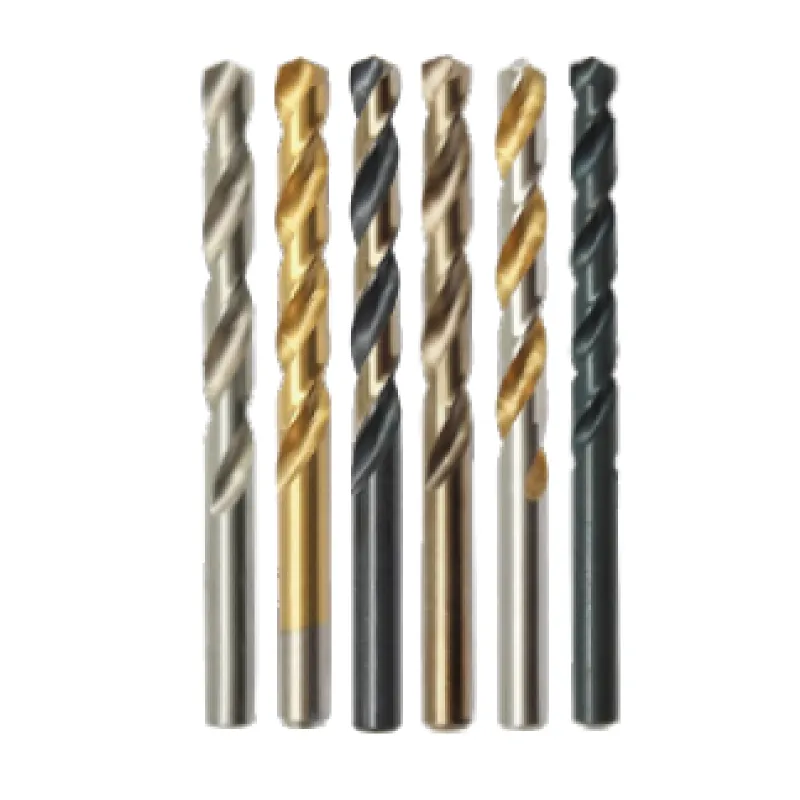
In any professional trade or industrial setting, the tools you use are only as effective as the accessories that support them. power tool accessories are the often-overlooked components that determine how fast, accurately, and safely work gets done across job sites, workshops, and manufacturing floors. Whether you are drilling, fastening, cutting, or grinding, the right accessory directly influences the outcome of every task.
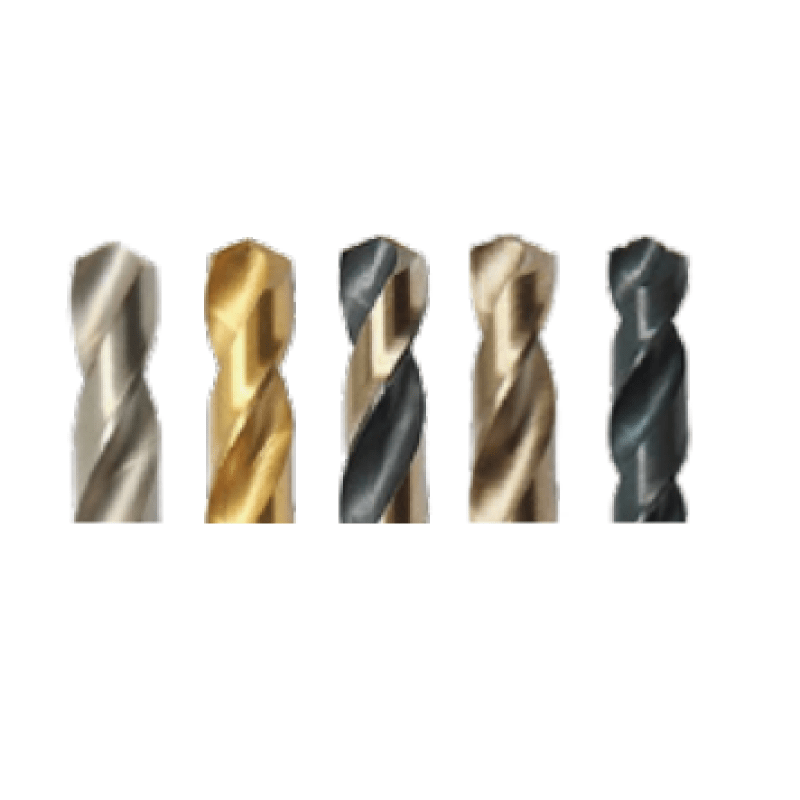
The question of how power tool accessories improve efficiency in daily operations is not simply about speed. It encompasses precision, tool longevity, operator fatigue, material compatibility, and task consistency. When professionals invest thoughtfully in quality power tool accessories, the cumulative gains across a full working day are measurable and significant. This article explores exactly how those improvements happen and what factors drive the biggest gains in operational efficiency.
The Direct Link Between Power Tool Accessories and Task Speed
Reducing Setup Time with Compatible Accessories
One of the most immediate ways power tool accessories improve daily efficiency is by reducing the time spent setting up and changing between tasks. Quick-change systems, such as hex shank adapters and snap-lock chucks, allow operators to swap bits, blades, and attachments in seconds rather than minutes. Over the course of a full shift, these small time savings accumulate into hours of productive work recovered.
When power tool accessories are designed to be universally compatible with standard tool platforms, operators spend less time searching for the right fit or improvising with mismatched components. Compatibility-focused accessories eliminate workflow interruptions and keep momentum consistent throughout complex multi-step tasks. This matters especially in environments where multiple workers share tools and accessories across shifts.
Standardized power tool accessories also simplify training for new operators. When every accessory follows a consistent attachment logic, new team members can reach working proficiency faster, reducing the supervision burden on experienced staff. Operational efficiency, in this sense, extends beyond the individual worker to the team as a whole.
Matching Accessories to Material for Faster Results
Using the correct power tool accessories for the specific material being worked is a direct driver of speed. A drill bit engineered for masonry will move through concrete far faster than a general-purpose bit being forced beyond its intended design. Similarly, impact-rated bits designed for high-torque drivers transfer energy more efficiently than standard bits, which tend to slip, cam out, or break under repeated impact stress.
When operators select power tool accessories that match the material and application, each pass of the tool does more useful work. Fewer repeat passes are needed, less pressure must be applied by the operator, and the quality of the finished work is higher. This material-to-accessory alignment is one of the simplest efficiency upgrades available in any operational environment.
In high-volume production settings, the compounding effect of this material-matching principle is especially pronounced. If every unit in a batch requires fewer tool passes and produces less rework, the throughput gains over a full production run can be substantial. Power tool accessories that are purpose-built for specific materials are not a luxury in these contexts — they are a production efficiency requirement.
Precision and Accuracy Gains Driven by Quality Accessories
How Accessory Tolerances Affect Work Quality
Precision in any tooling application depends heavily on the dimensional tolerances of the accessories in use. Power tool accessories with tight manufacturing tolerances deliver consistent bite, consistent depth, and consistent finish across every repetition. Loose tolerances, by contrast, introduce wobble, inconsistent cutting angles, and variable results that require correction after the fact.
In applications such as cabinetry, metalwork, or electrical installation, even minor deviations caused by low-tolerance power tool accessories can create cumulative errors that require rework. The cost of that rework — in time, materials, and labor — far exceeds the cost difference between average and high-quality accessories. Precision accessories effectively eliminate a category of waste that is easy to overlook until it becomes a serious operational problem.
Operators working with well-made power tool accessories also apply less corrective force during operation. When an accessory tracks true and holds its line, the worker can guide the tool confidently rather than fighting unwanted deviation. This reduces physical strain, improves focus, and keeps work quality consistent across an entire shift rather than degrading as fatigue sets in.
Depth Control and Repeatability in Fastening Operations
In fastening and assembly applications, depth-control accessories are a key efficiency driver. Bit holders with adjustable collars, countersink bits, and depth-limiting attachments allow operators to set a precise drive depth once and then replicate it across hundreds or thousands of fasteners without manual adjustment or inspection after each one. This level of repeatability dramatically speeds up assembly workflows.
Power tool accessories designed for repeatability reduce the rate of fastener overdriving and underdriving, both of which require correction and can compromise structural integrity. In joinery, panel installation, decking, and similar repetitive fastening tasks, depth-control accessories convert a skill-dependent process into a reliable, trainable one. Operators do not need to develop a 'feel' for correct depth — the accessory enforces it mechanically.
For operations that require consistent torque or drive depth across large volumes of work, investing in quality depth-control power tool accessories is one of the highest-return decisions available. The elimination of rework alone justifies the investment, and the speed gains on top of that make the efficiency case even stronger.
Operator Efficiency and Reduced Fatigue
Ergonomic Accessories That Protect Productivity Over Long Shifts
Operator fatigue is a real and measurable drain on daily operational efficiency. As physical strain accumulates over a shift, work pace slows, error rates rise, and the risk of injury increases. Power tool accessories that reduce resistance, vibration, and awkward grip positions play a direct role in keeping operator performance stable from the first hour to the last.
Accessories such as flexible shaft extensions, angle adapters, and ergonomic bit holders allow workers to approach awkward fastening or drilling positions without forcing their bodies into damaging postures. When operators can maintain a natural working stance, they sustain their working pace longer and experience less cumulative physical stress. Over the course of a week or month, the difference in productive output is meaningful.
Vibration-dampening accessories also deserve attention in this context. Extended exposure to tool vibration contributes to hand-arm vibration syndrome, a condition that reduces grip strength and sensitivity over time. Power tool accessories with built-in vibration absorption or isolation features protect long-term operator health while maintaining immediate productivity — a dual benefit that operational managers should take seriously.
Bit and Blade Durability That Reduces Interruption
Every time an operator stops to replace a worn bit, dulled blade, or failed accessory, that interruption breaks workflow and costs time. Power tool accessories built from high-grade materials — such as S2 steel bits, carbide-tipped blades, and hardened shank designs — maintain their performance across far more operational cycles before replacement is needed. This durability directly reduces the frequency of disruptive mid-task stops.
Durable power tool accessories also reduce the indirect cost of consumable replacement. Teams that track accessory usage carefully often find that switching to longer-lasting accessories reduces their total accessory spend even when the per-unit cost is higher. Fewer replacements mean less procurement activity, less inventory management burden, and fewer moments where work stops because a replacement part is not on hand.
In environments where downtime is costly — such as production lines, time-sensitive renovation projects, or contracted installation work — the reliability of quality power tool accessories translates directly into schedule adherence. The operational cost of a failed or prematurely worn accessory is almost always higher than the cost difference between economy and professional-grade options.
Safety and Compliance as Efficiency Factors
How Proper Accessories Prevent Costly Incidents
Efficiency is not only about speed — it also means avoiding the significant time and cost losses that accidents and incidents create. Power tool accessories that are properly rated for their tool's speed, torque, and application prevent failures such as bit breakage, blade shattering, and accessory ejection. These failures are not only dangerous; they create operational stops that can last hours or days depending on the severity.
Using power tool accessories that are rated and tested for the specific tool platform in use ensures that the accessory performs within known safety margins. Mismatched accessories — for example, using a non-impact-rated bit in a high-torque impact driver — create failure conditions that put operators at risk and damage both the accessory and the tool itself. Proper accessory selection is therefore a basic component of workplace safety management.
Compliance with workplace safety regulations in many jurisdictions includes requirements around tool and accessory compatibility. Organizations that consistently use correctly rated power tool accessories face fewer regulatory issues, insurance complications, and liability exposures. The efficiency benefit here is the elimination of unplanned operational disruptions that safety incidents inevitably cause.
Organized Accessory Management for Faster Deployment
A less obvious but highly practical efficiency factor is the way power tool accessories are stored and accessed on the job. Organized storage systems — bit indexes, modular cases, labeled pouches — allow operators to locate the correct accessory instantly rather than sorting through a jumbled collection. The time saved in this retrieval process across a full working day is more significant than it appears in any single instance.
Teams that implement structured accessory management systems also benefit from better inventory visibility. When accessories are organized, it is immediately obvious when a critical item is running low, allowing timely reorder before a shortage causes a workflow stop. This proactive approach to accessory management is itself a form of operational efficiency that many high-performing teams practice deliberately.
Power tool accessories that come in system-compatible packaging — with clearly labeled sizes, applications, and material ratings — also reduce selection errors. When operators can quickly confirm they have the right accessory for the task, they proceed with confidence and avoid the wasted effort of starting with the wrong tool setup and having to restart.
FAQ
What types of power tool accessories have the biggest impact on daily operational efficiency?
Quick-change bit systems, impact-rated driver bits, depth-control attachments, and material-specific drill bits consistently deliver the highest efficiency gains in daily operations. These accessories reduce setup time, improve fastening consistency, and minimize rework, which together have a compounding positive effect on overall workflow speed and quality.
How often should power tool accessories be inspected or replaced to maintain efficiency?
Inspection frequency depends on usage volume and material hardness, but a practical approach is to inspect cutting and driving accessories at the start of each shift for visible wear, tip deformation, or surface damage. Accessories showing reduced cutting performance, cam-out tendency, or visible stress marks should be replaced immediately rather than pushed until failure, as degraded accessories reduce both efficiency and safety.
Can using the wrong power tool accessories actually slow down operations?
Yes, significantly. Mismatched power tool accessories increase the number of passes needed per task, raise the rate of fastener or material damage, and cause premature accessory failure that interrupts workflow. In many cases, the time lost to rework and replacement caused by incorrect accessory selection exceeds the time that would have been spent sourcing the correct accessory from the start.
Are professional-grade power tool accessories worth the higher cost for everyday industrial use?
In most industrial and trade contexts, professional-grade power tool accessories deliver a lower total cost of ownership than economy alternatives. Their longer service life, more consistent performance, and lower rework rates mean that the higher per-unit price is offset by fewer replacements and less wasted labor. For operations running multiple shifts or high task volumes, the efficiency and cost case for professional-grade accessories is especially strong.
Table of Contents
- The Direct Link Between Power Tool Accessories and Task Speed
- Precision and Accuracy Gains Driven by Quality Accessories
- Operator Efficiency and Reduced Fatigue
- Safety and Compliance as Efficiency Factors
-
FAQ
- What types of power tool accessories have the biggest impact on daily operational efficiency?
- How often should power tool accessories be inspected or replaced to maintain efficiency?
- Can using the wrong power tool accessories actually slow down operations?
- Are professional-grade power tool accessories worth the higher cost for everyday industrial use?