 EN
EN

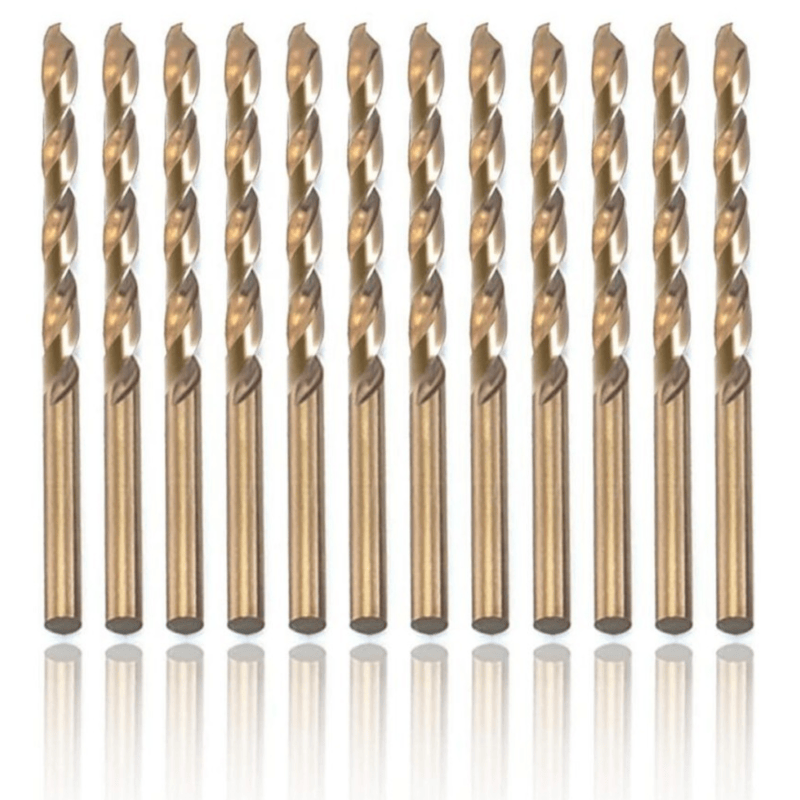
Selecting the right hss twist drill bit for precision metal drilling is a decision that directly affects hole quality, tool longevity, and overall machining efficiency. Whether you are working in a high-production workshop or a precision fabrication environment, the wrong choice can lead to oversized holes, rough finishes, premature tool wear, or even workpiece damage. Understanding the specific factors that govern proper selection is not merely a matter of preference — it is a technical requirement that separates reliable results from costly rework.
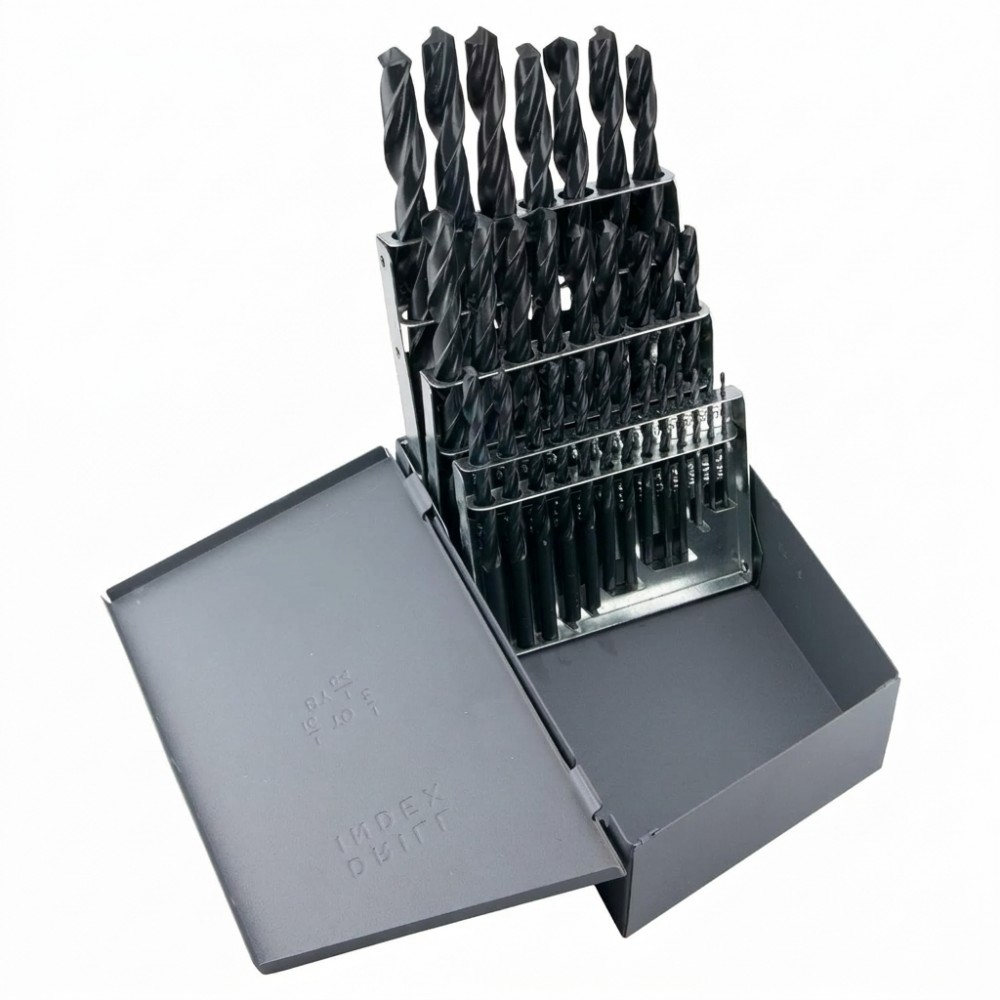
The hss twist drill bit remains one of the most widely used cutting tools across metal fabrication, aerospace, automotive, and general engineering sectors. High-speed steel offers a compelling balance of hardness, toughness, and heat resistance that makes it highly suitable for drilling into ferrous and non-ferrous metals alike. However, not every hss twist drill bit is engineered identically, and the differences in geometry, coating, grade, and dimensional specification can have a profound impact on whether your drilling operation achieves precision or falls short of it. This guide walks you through the essential selection criteria in a structured, practical way.
Understanding the Core Material: What Makes HSS Suitable for Metal Drilling
The Metallurgical Foundation of High-Speed Steel
High-speed steel is an alloyed tool steel formulated to retain its hardness even when subjected to the elevated temperatures generated during metal cutting. Its composition typically includes tungsten, molybdenum, chromium, vanadium, and carbon in proportions that collectively provide wear resistance, red-hardness, and toughness. These properties make the hss twist drill bit capable of cutting through steels, cast iron, aluminum, copper alloys, and a wide range of engineering materials without rapid degradation.
The two principal grades used in professional applications are M2 and M35, also referred to as cobalt-grade HSS. Standard M2 is appropriate for general-purpose metal drilling where operating temperatures remain moderate. M35, which contains approximately 5% cobalt, offers enhanced thermal stability and hardness retention, making it preferable for tougher alloys, stainless steel, and interrupted cuts. When selecting an hss twist drill bit for precision work, identifying the correct grade for your material is the first critical step.
Why HSS Outperforms Carbon Steel in Precision Applications
Carbon steel drill bits, while inexpensive, lose their cutting edge at relatively low temperatures and are unsuitable for anything beyond light-duty work in soft materials. In contrast, an hss twist drill bit can withstand cutting speeds two to three times higher than carbon steel equivalents before the edge begins to degrade. This thermal tolerance translates directly into dimensional consistency, which is essential when drilling holes that must meet tight tolerances.
For precision metal drilling, the ability to maintain a sharp, geometrically consistent cutting edge throughout a batch run is paramount. An hss twist drill bit achieves this through its inherent metallurgical structure, which resists the micro-chipping and edge roll-over that plague inferior tool materials. This reliability makes HSS the preferred choice for engineers and machinists who cannot afford dimensional drift over long production runs.
Geometry and Dimensional Specifications That Govern Precision
Point Angle Selection for Different Metal Types
The point angle of an hss twist drill bit is arguably the most influential geometric feature for precision drilling outcomes. The standard 118-degree included angle is designed for general-purpose use across a broad range of materials. However, for harder metals such as stainless steel, tool steel, and titanium alloys, a 135-degree split-point geometry is significantly more effective. The shallower cutting angle reduces axial thrust, produces a self-centering action without the need for a center punch, and delivers a flatter, more accurate hole bottom.
A split-point hss twist drill bit also reduces walking at entry, which is a common cause of positional error in precision drilling. The chisel edge on a conventional 118-degree point pushes material radially before cutting begins, creating a tendency for the drill to drift. By eliminating or significantly reducing this chisel edge through the split-point grind, the bit engages the material immediately with the cutting lips, producing a more accurate hole location from the first revolution.
Flute Design, Helix Angle, and Chip Evacuation
Flute geometry determines how effectively chips are evacuated from the cutting zone, which in turn affects hole finish and dimensional accuracy. A standard helix angle of approximately 30 degrees suits a broad range of metals and provides balanced chip clearance. For deep-hole precision drilling, however, a higher helix angle improves chip flow and reduces the risk of chip packing, which can cause sudden increases in cutting force and compromise hole roundness.
The web thickness of an hss twist drill bit also plays a role in rigidity and vibration resistance. A thicker web increases drill stiffness and reduces deflection in long-reach applications, contributing to straighter holes. Conversely, too thick a web increases thrust force and may require a pilot hole in harder materials. Balancing web thickness with point geometry and application requirements is part of a disciplined selection process for any precision drilling task.
Coatings and Surface Treatments for Enhanced Performance
The Role of TiN, TiAlN, and Black Oxide Coatings
Surface coatings applied to an hss twist drill bit serve multiple purposes: they reduce friction at the cutting interface, improve surface hardness, extend tool life, and in some cases reduce heat buildup. Titanium nitride, commonly designated TiN, is one of the most widely applied coatings in general metalworking. Its gold-colored surface provides a significant improvement in wear resistance over uncoated HSS and reduces the coefficient of friction against most metals.
For more demanding applications involving stainless steel, hardened alloys, or dry cutting conditions, titanium aluminum nitride coatings offer superior thermal stability and oxidation resistance. An hss twist drill bit with TiAlN coating can sustain much higher surface temperatures before the coating begins to break down, making it suitable for high-speed applications where coolant use is limited. Black oxide treatment, while less performance-enhancing than hard coatings, improves corrosion resistance and provides mild lubricity, making it a cost-effective option for general workshop use.
Matching Coating Choice to Workpiece Material
Selecting the right coating for your specific workpiece material is as important as selecting the right grade of HSS. When drilling aluminum or non-ferrous alloys, uncoated or black oxide hss twist drill bit options often perform well, since these softer materials generate minimal heat and coating adhesion to aluminum chips can sometimes create built-up edge problems. For medium-carbon and alloy steels, TiN-coated bits offer the best balance of cost and performance improvement.
When the task involves austenitic stainless steel or duplex grades, which are known for work hardening rapidly during cutting, a cobalt-grade hss twist drill bit with a TiAlN coating provides the most reliable performance. The combination of cobalt's heat resistance and the coating's tribological properties allows the drill to penetrate the material before the work-hardened zone fully develops beneath the cutting edge, preserving dimensional accuracy and preventing premature tool failure.
Dimensional Accuracy, Tolerance, and Jobber Length Considerations
Understanding Drill Bit Diameter Tolerance and Its Precision Impact
In precision metal drilling, the diameter tolerance of the hss twist drill bit must be closely matched to the required hole tolerance. Drill bits manufactured to DIN 338 or equivalent international standards specify permissible deviations from nominal diameter for each size range. A high-quality hss twist drill bit produced to tight manufacturing tolerances will consistently deliver holes closer to nominal size, reducing the need for secondary reaming operations.
It is important to note that even a perfectly selected and manufactured drill will produce a hole slightly larger than its nominal diameter due to runout in the spindle, thermal expansion during cutting, and minor geometric asymmetries at the drill point. For applications where the finished hole must fall within H7 or tighter tolerances, drilling undersized with an hss twist drill bit followed by finish reaming is the most reliable approach. Understanding this limitation helps in selecting the appropriate drill diameter at the planning stage rather than discovering dimensional errors after the fact.
Jobber Length versus Stub and Long Series Drills for Precision Work
Jobber length is the most common shank-to-flute proportion used in general metal drilling, and it represents a well-engineered compromise between reach and rigidity. For the majority of precision drilling applications, a hss twist drill bit in jobber length provides sufficient depth capacity while maintaining enough column stiffness to resist deflection at typical drilling depths. This makes jobber length the default starting point for most precision engineering environments.
Stub series drills, which are shorter than jobber length, offer increased rigidity at the expense of reach, making them ideal for shallow precision holes in hard or tough materials. Long series drills provide the reach necessary for deep holes but are more susceptible to deflection and require reduced feed rates and more frequent chip clearing to maintain hole straightness. Selecting the correct length series is therefore not simply a matter of convenience but a direct contributor to the positional and dimensional accuracy of the finished hole.
Operational Parameters and Setup Practices for Precision Results
Speed, Feed, and Coolant Selection
Even the best-selected hss twist drill bit will underperform if the cutting speed and feed rate are not calibrated to the combination of tool grade, coating, workpiece material, and hole depth. Running an HSS drill too fast generates excessive heat that accelerates edge wear and can permanently alter the metallurgical condition of the steel near the cutting zone. Too slow a feed rate, on the other hand, causes rubbing rather than cutting, which generates heat through friction without making efficient progress through the material.
As a general guideline, standard M2 grade hss twist drill bit tools are most effective in the range of 20 to 30 meters per minute surface speed when drilling medium carbon steels, with appropriate reduction for harder alloys and increase for aluminum. Coolant application — whether flood, mist, or through-tool — reduces thermal load, lubricates the cutting interface, and assists in chip evacuation. For stainless steel and heat-resistant alloys, sulphurized cutting oil provides better lubricity than water-soluble coolants alone.
Workholding, Machine Rigidity, and Pre-Drilling Practices
Precision drilling is as much a function of setup quality as it is of tool selection. An hss twist drill bit can only perform to its geometric potential when the workpiece is rigidly clamped and the drill spindle exhibits minimal runout. Excessive runout at the chuck causes the drill to orbit rather than rotate concentrically, producing oversized, irregular holes regardless of the drill's intrinsic quality. Checking spindle runout with a dial indicator before commencing precision work is a standard precaution in professional environments.
For larger diameter holes or hard materials where positional accuracy is critical, center drilling or spot drilling before the main drill operation significantly improves entry accuracy. The spot drill creates a conical recess that guides the hss twist drill bit into a precise starting position, eliminating the lateral deflection that can occur when drilling directly into a flat or curved surface. This pre-drilling practice is especially important when using standard 118-degree point geometry without a split-point modification.
FAQ
What is the difference between M2 and M35 HSS in an hss twist drill bit?
M2 is standard high-speed steel suitable for general metal drilling, while M35 contains approximately 5% cobalt for enhanced hardness at elevated temperatures. An hss twist drill bit made from M35 cobalt HSS is better suited to tough materials such as stainless steel, heat-resistant alloys, and hardened steels, where standard M2 would lose its edge prematurely. The choice between the two depends on the workpiece material and the cutting conditions involved.
How do I know if my hss twist drill bit needs replacing during a precision run?
Indicators of a worn hss twist drill bit include increased thrust force required to advance the drill, a noticeable rise in cutting noise or vibration, visible blueing or discoloration of chips indicating overheating, and measurable increase in hole diameter or surface roughness. In precision work, it is advisable to replace or resharpen the drill before these symptoms become severe, as a dull edge produces dimensional drift well before it causes visible failure.
Can an hss twist drill bit be resharpened for continued precision use?
Yes, a high-quality hss twist drill bit can be resharpened multiple times provided the regrinding is performed accurately on dedicated drill grinding equipment. The key is to restore the original point angle, lip relief angle, and lip length symmetry. Asymmetric or incorrectly angled regrinding will cause one cutting lip to bear more load than the other, leading to oversized holes and accelerated wear. For coated bits, resharpening removes the coating from the cutting edge, so performance will revert to that of an uncoated drill unless recoating is performed.
What shank type should I look for when selecting an hss twist drill bit for CNC applications?
For CNC machining centres and precision drilling jigs, a straight shank with tight diameter tolerance is the standard choice for smaller diameter hss twist drill bit tools, allowing them to be held securely in collet chucks or drill chucks with minimal runout. For larger diameters typically above 13mm, a Morse taper shank provides positive drive without relying solely on clamping friction. Reduced shank designs allow larger diameter drills to be used in standard 13mm capacity chucks while maintaining the cutting diameter needed for the application.
Table of Contents
- Understanding the Core Material: What Makes HSS Suitable for Metal Drilling
- Geometry and Dimensional Specifications That Govern Precision
- Coatings and Surface Treatments for Enhanced Performance
- Dimensional Accuracy, Tolerance, and Jobber Length Considerations
- Operational Parameters and Setup Practices for Precision Results
-
FAQ
- What is the difference between M2 and M35 HSS in an hss twist drill bit?
- How do I know if my hss twist drill bit needs replacing during a precision run?
- Can an hss twist drill bit be resharpened for continued precision use?
- What shank type should I look for when selecting an hss twist drill bit for CNC applications?