Professional Hex Shank Masonry Drill Bits - Carbide Tipped Concrete Drilling Solutions

All Categories

hex shank masonry drill bits

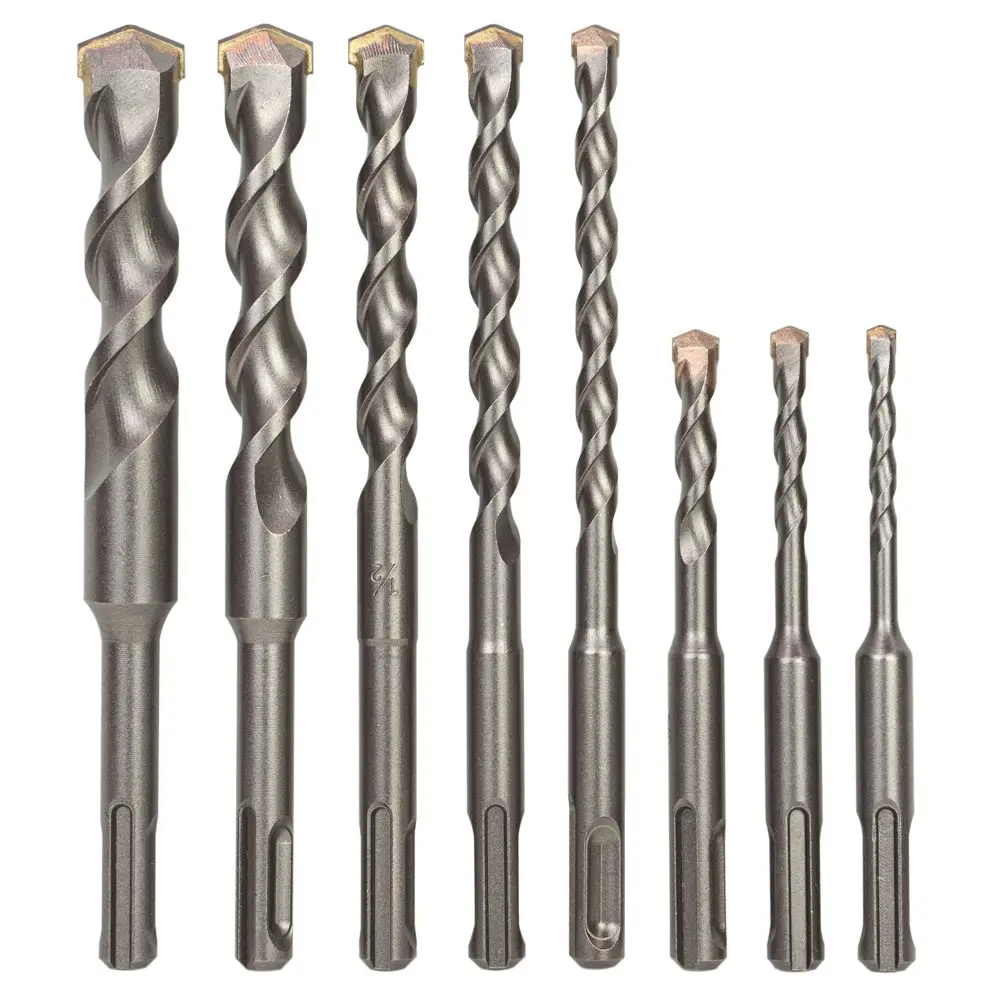
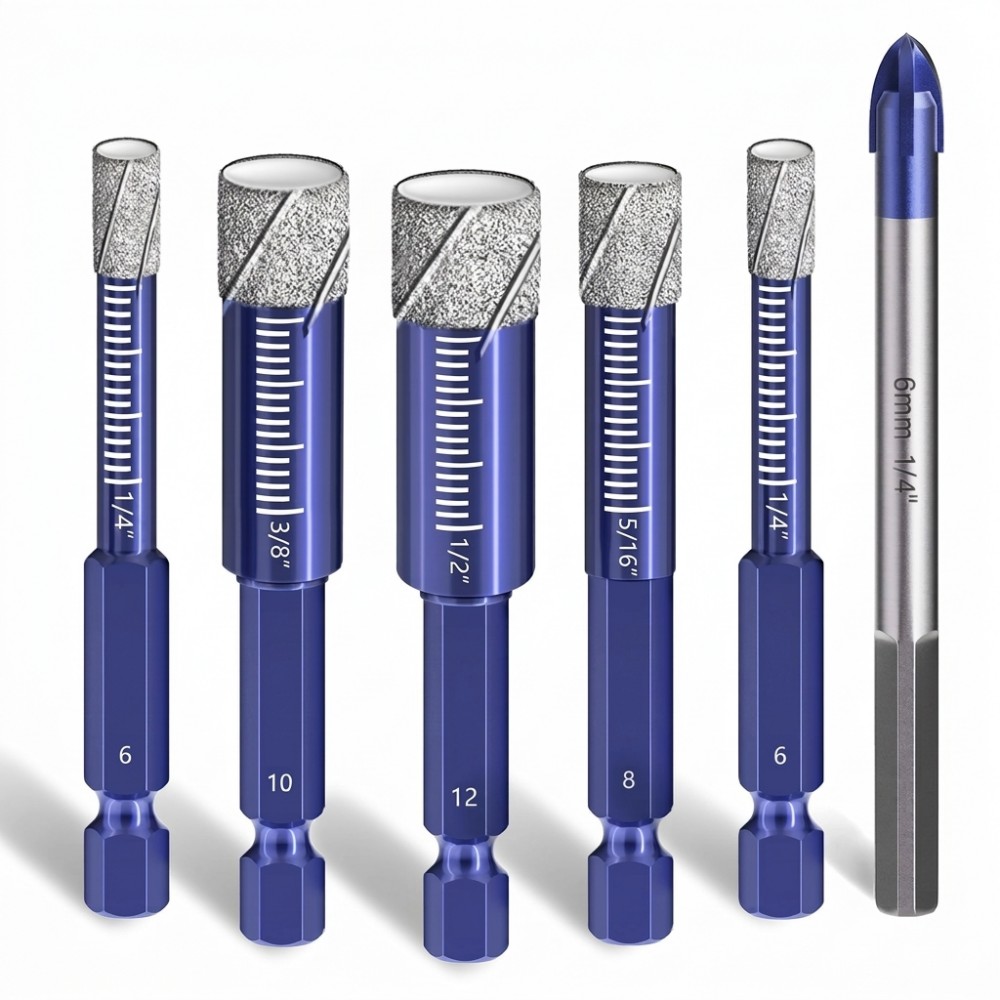
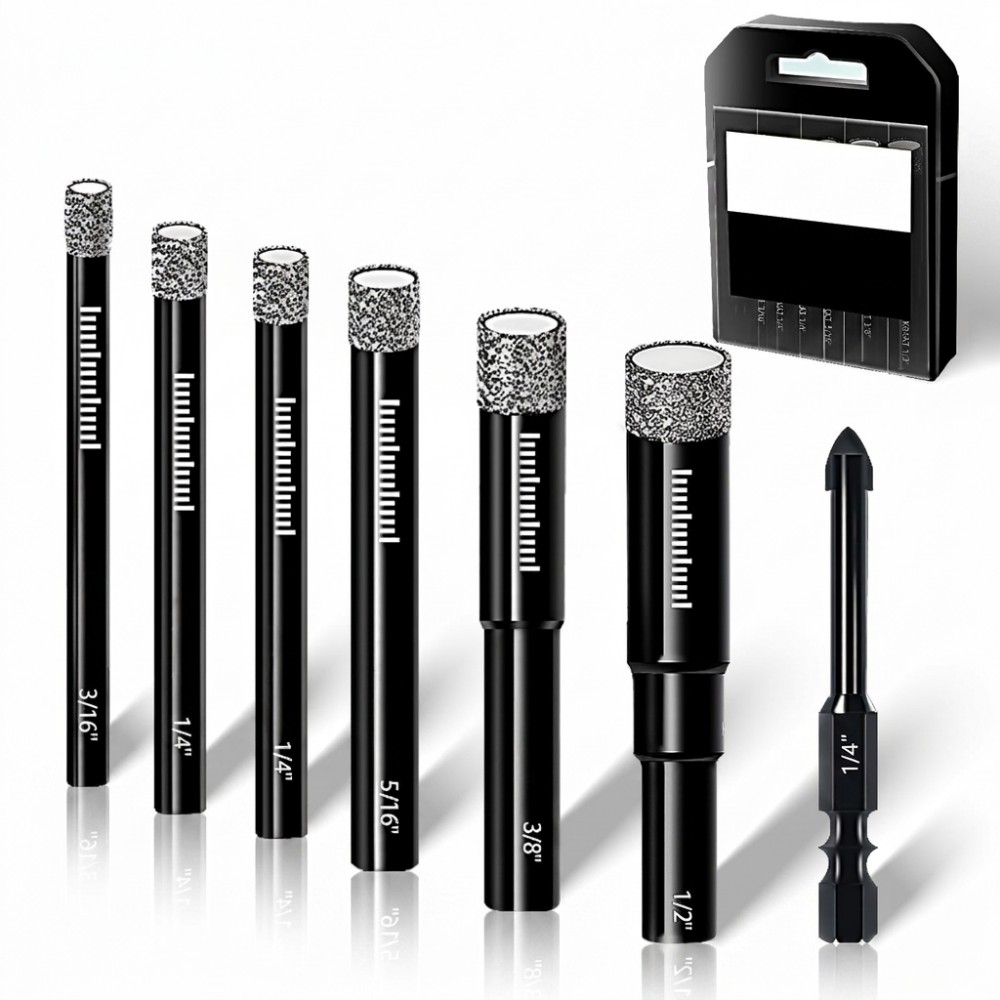
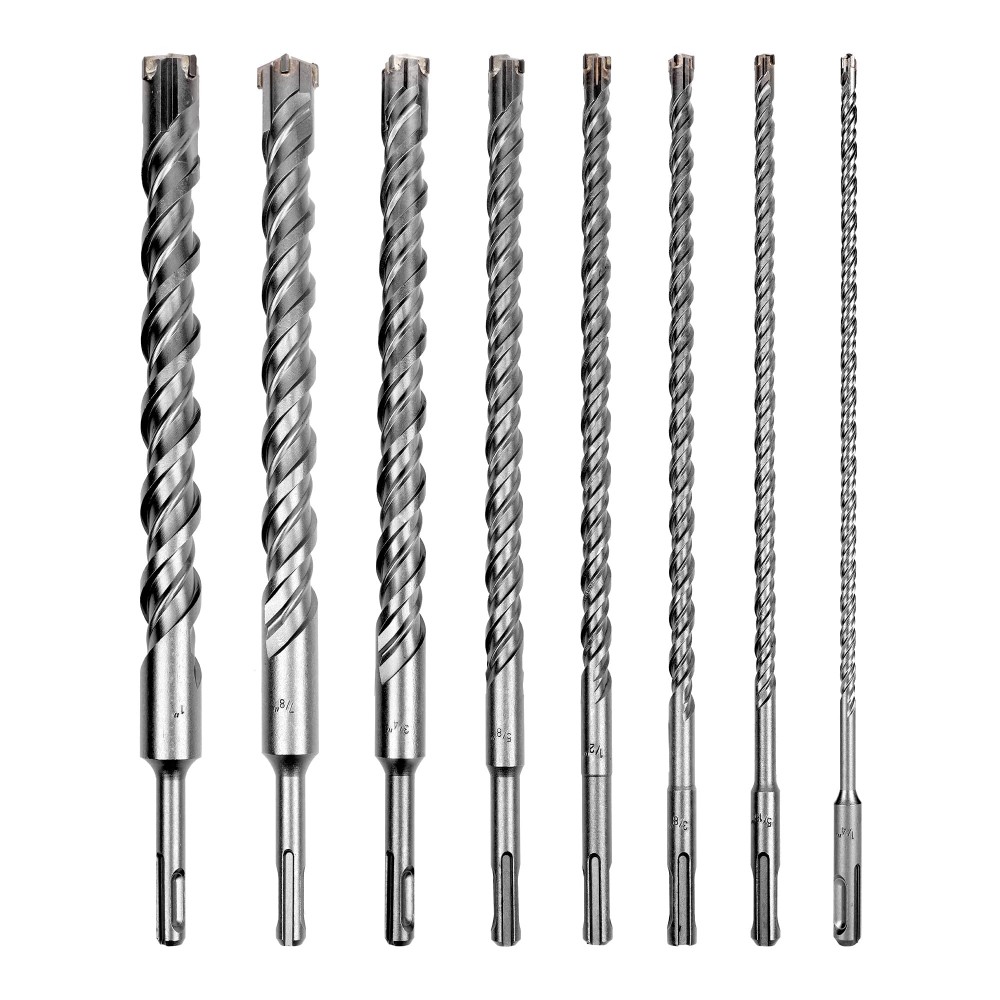
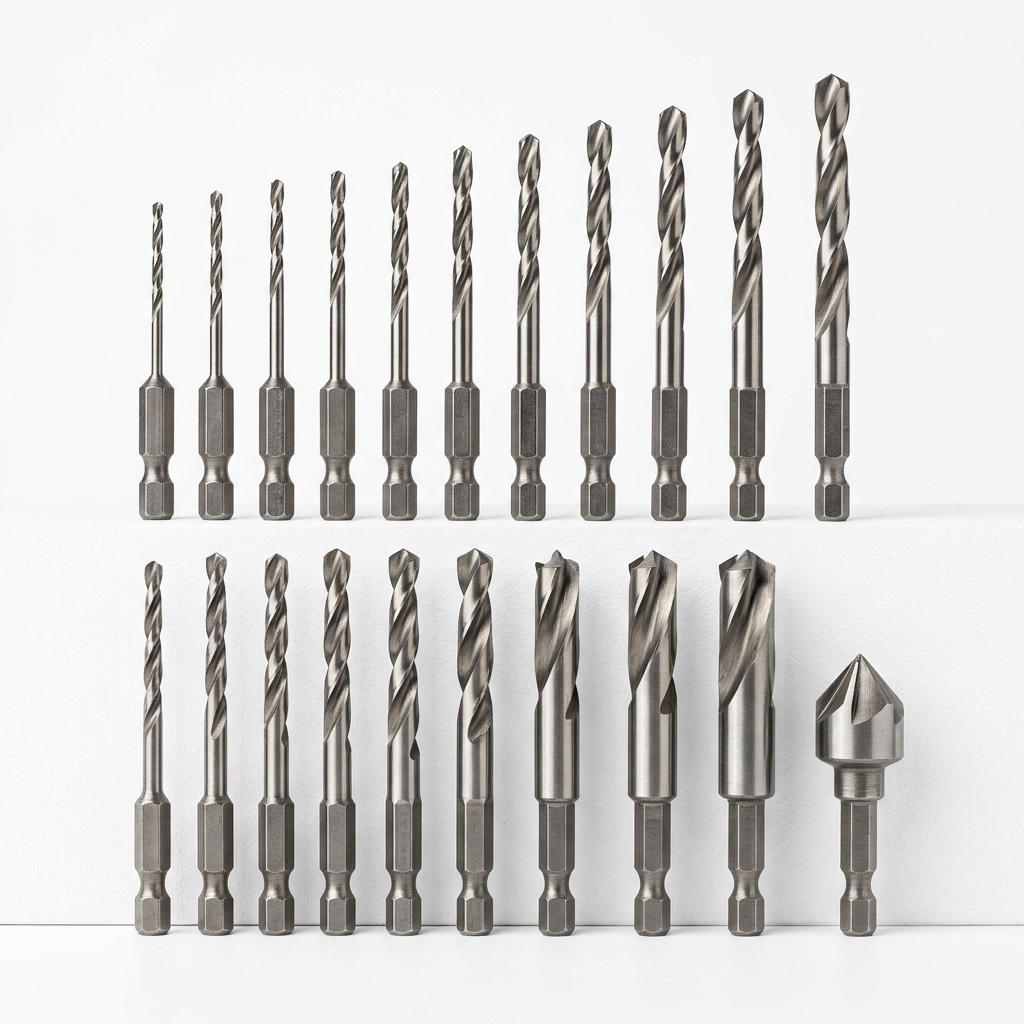
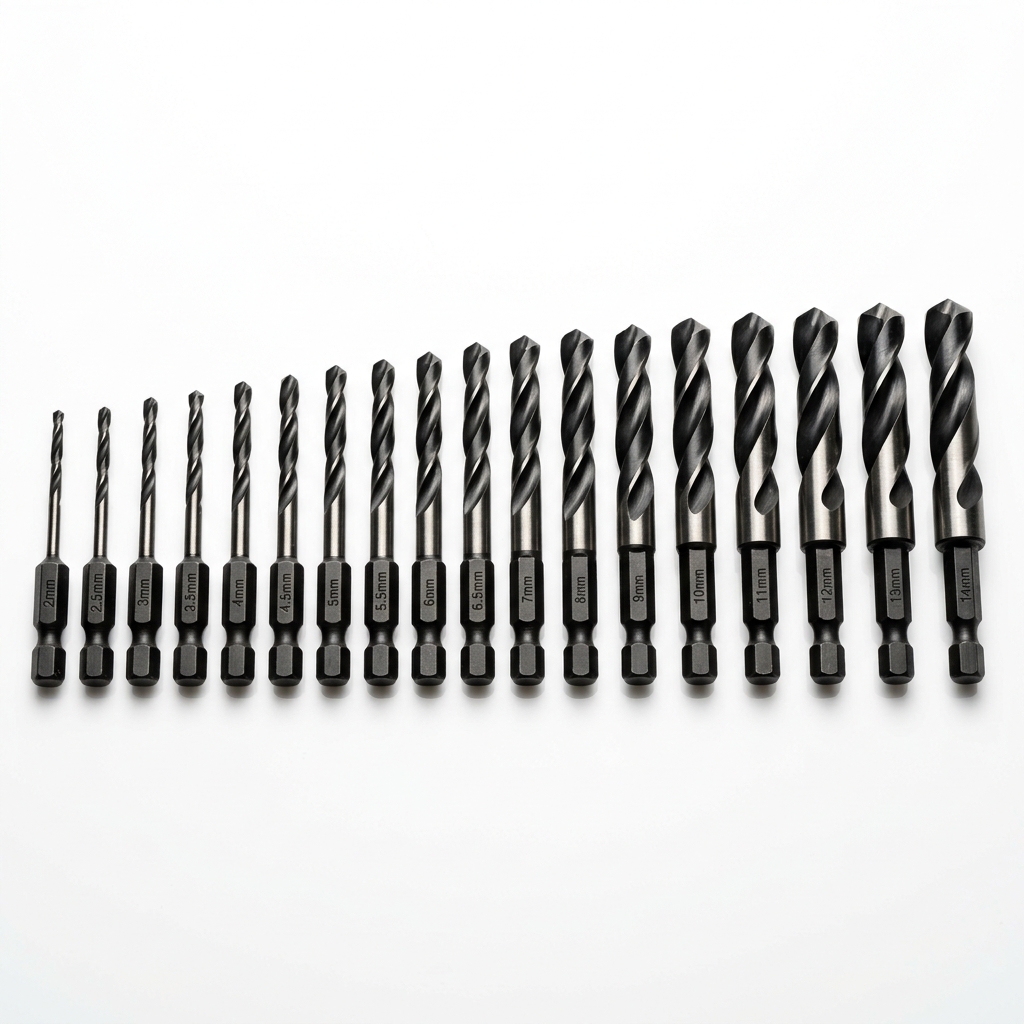
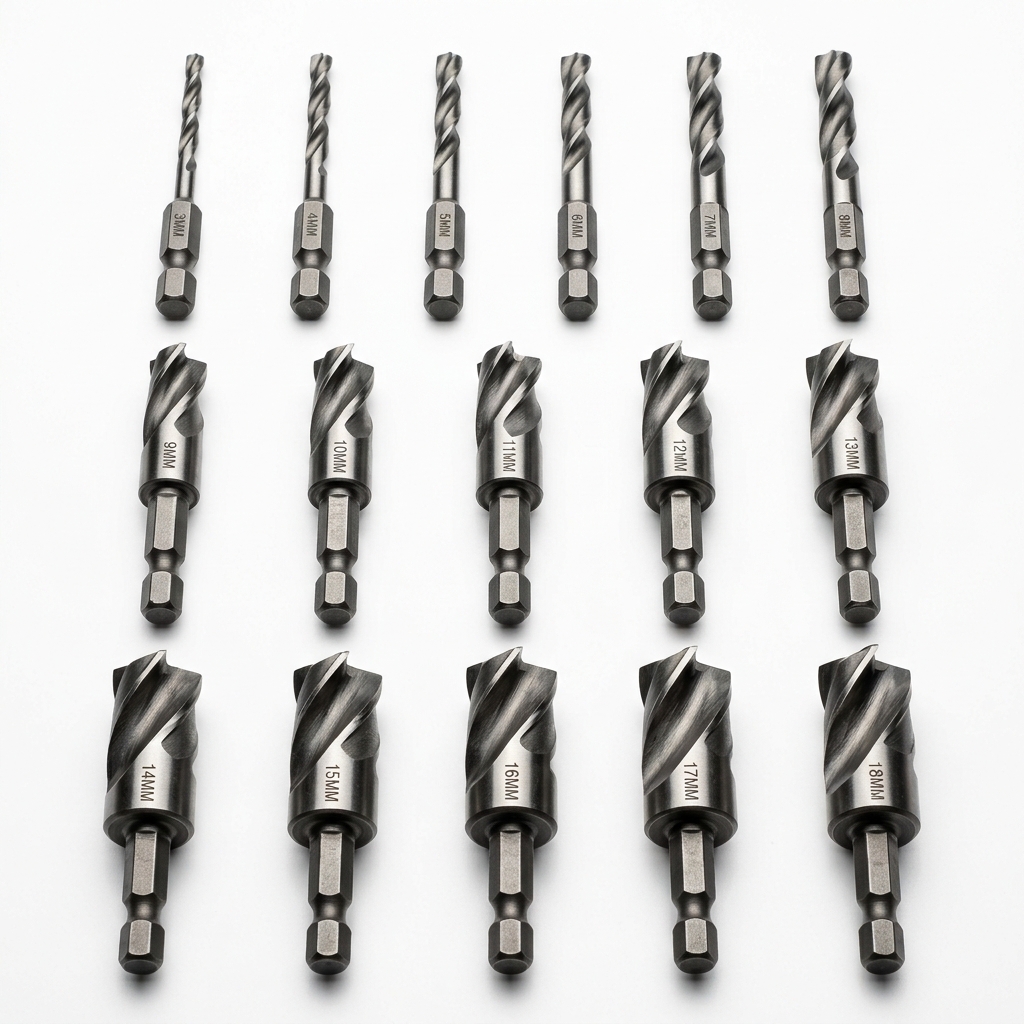
Hex shank masonry drill bits represent a specialized category of drilling tools engineered specifically for penetrating hard materials such as concrete, brick, stone, and cement blocks. These drill bits feature a distinctive hexagonal-shaped shank that provides superior grip and prevents slippage during operation, making them an essential component in both professional construction environments and home improvement projects. The primary function of hex shank masonry drill bits involves creating precise holes in masonry surfaces for various applications including anchor installation, wiring conduit placement, plumbing fixture mounting, and general fastening requirements. The technological design incorporates carbide-tipped cutting edges that withstand extreme friction and heat generated during drilling operations. This carbide tip construction ensures extended durability and maintains cutting efficiency even when working with the most challenging masonry materials. The hex shank configuration measures six millimeters across flats in most standard designs, conforming to universal quick-change chuck systems found in modern impact drivers and hammer drills. This standardization enables rapid bit exchanges without requiring additional tools or chuck keys, significantly improving workflow efficiency on job sites. The flute design along the shaft facilitates effective debris removal from the drill hole, preventing clogging and maintaining optimal drilling speed throughout the operation. Manufacturing processes involve precision grinding and specialized heat treatment procedures that enhance the structural integrity of hex shank masonry drill bits. These bits typically feature a straight shank design with the hexagonal profile extending approximately twenty to twenty-five millimeters from the end, providing secure retention in compatible chucks. Applications span residential renovations, commercial construction projects, industrial installations, and maintenance operations where reliable masonry penetration is required. The versatility of hex shank masonry drill bits makes them suitable for installing shelving systems, hanging artwork, mounting electrical boxes, securing outdoor fixtures, and countless other fastening tasks that demand dependable performance in masonry substrates.

New Products

Choosing hex shank masonry drill bits delivers numerous practical benefits that directly impact your drilling efficiency and project outcomes. The hexagonal shank design prevents the bit from spinning inside the chuck, ensuring all rotational force transfers directly to the cutting edge. This positive engagement means you waste less energy and complete holes faster compared to round shank alternatives that may slip under heavy load conditions. Your impact driver or hammer drill maintains consistent power delivery because the hex shank creates multiple contact points that distribute stress evenly across the connection interface. This engineering advantage translates to reduced wear on your power tool chuck mechanisms, extending equipment lifespan and lowering long-term replacement costs. The quick-change capability of hex shank masonry drill bits saves considerable time during projects requiring multiple hole sizes or frequent bit changes. You simply release the chuck collar, swap bits, and resume drilling within seconds without fumbling with chuck keys or manual tightening procedures. This convenience becomes especially valuable when working on ladders, scaffolding, or confined spaces where tool manipulation proves challenging. The carbide tip construction on hex shank masonry drill bits resists dulling far better than standard steel bits, maintaining sharp cutting edges through hundreds of holes in concrete and brick. This durability means you purchase replacement bits less frequently, reducing consumable costs and minimizing work interruptions caused by worn tooling. The efficient flute geometry channels dust and debris away from the cutting zone, preventing material buildup that would otherwise slow drilling progress and generate excessive heat. Cooler operating temperatures protect both the bit and your power tool from thermal damage while maintaining drilling accuracy. These bits work effectively across various masonry densities, from soft mortar joints to reinforced concrete, providing versatile performance that eliminates the need for multiple specialized bit types. The universal compatibility with hex chuck systems means your existing impact drivers and hammer drills accommodate these bits without requiring adapter purchases or chuck modifications. Professional contractors appreciate how hex shank masonry drill bits maintain consistent hole quality throughout demanding workdays, producing clean entry points and uniform diameter holes that ensure proper anchor fit and structural integrity. Homeowners benefit from the user-friendly design that makes DIY masonry projects more approachable and successful. The improved control and reduced slippage minimize surface damage around drill holes, preserving the aesthetic appearance of finished walls and reducing repair requirements. Overall performance characteristics of hex shank masonry drill bits deliver tangible value through faster completion times, lower tool wear, extended bit life, enhanced safety, and professional-quality results across all masonry drilling applications.

Tips And Tricks

What Factors Affect the Performance of Power Tool Accessories Over Time?

08

Jun

What Factors Affect the Performance of Power Tool Accessories Over Time?

When professionals and tradespeople invest in quality equipment, they often focus on the power tool itself while underestimating how much the performance of power tool accessories influences the overall outcome of a job. Over time, even the most rugg...
View More
What Advantages Does a Precision Screwdriver Bit Offer Manufacturing Lines?

08

Jun

What Advantages Does a Precision Screwdriver Bit Offer Manufacturing Lines?

In high-volume manufacturing environments, every tool choice carries operational weight. The screwdriver bit may appear to be a minor component in the broader assembly process, yet its precision directly influences cycle time, joint integrity, and th...
View More
How Do Industrial Users Maintain Screwdriver Bit Performance Over Time?

08

Jun

How Do Industrial Users Maintain Screwdriver Bit Performance Over Time?

In demanding industrial environments, a screwdriver bit is expected to perform consistently across thousands of fastening cycles, resist torque stress, and maintain precise tip geometry without slipping or camming out. Yet despite being one of the sm...
View More
Why Is an HSS Twist Drill Bit Popular in Industrial Manufacturing?

08

Jun

Why Is an HSS Twist Drill Bit Popular in Industrial Manufacturing?

In industrial manufacturing environments where precision, repeatability, and material versatility are non-negotiable, the choice of cutting tool can determine the difference between efficient production and costly downtime. Among the many drilling so...
View More

Get a Free Quote

Our representative will contact you soon.
Email
Name
Company Name
Message
0/1000

hex shank masonry drill bits

Superior Grip Technology with Hexagonal Shank Design

Superior Grip Technology with Hexagonal Shank Design

The hexagonal shank configuration represents the defining characteristic that sets these masonry drill bits apart from conventional round shank alternatives. This six-sided geometric profile creates a mechanical interlock with compatible chuck systems, establishing six distinct contact surfaces that distribute rotational forces evenly across the connection interface. When you engage the chuck around a hex shank masonry drill bit, the flat surfaces of the hexagon nest against corresponding flat surfaces inside the chuck mechanism, creating a positive drive connection that physically prevents rotation slippage. This design principle becomes critically important when drilling into concrete, brick, and stone materials that generate substantial resistance and torque feedback. Traditional round shank bits rely solely on friction clamping force to maintain their position, which can prove inadequate under high-load conditions common in masonry applications. The hex shank masonry drill bits eliminate this vulnerability through geometric interlocking that remains secure regardless of applied torque levels. This superior grip technology enables you to maintain consistent drilling pressure without experiencing the frustrating bit spin that wastes energy and damages chuck components. The engineering benefits extend beyond simple retention, as the multiple contact points reduce stress concentration at any single interface location. This stress distribution minimizes wear on both the bit shank and the chuck jaws, significantly extending the operational lifespan of your power tools. Professional contractors working on commercial projects particularly value this durability advantage, as equipment maintenance costs represent a substantial portion of operational expenses. The hex shank design also facilitates the quick-change functionality that modern impact drivers employ, allowing tool-free bit exchanges in approximately two seconds. This rapid swap capability proves invaluable during installations requiring multiple hole sizes, such as mixed anchor installations or projects involving different material thicknesses. The time savings accumulate throughout a workday, enabling completion of more tasks within standard labor hours. Additionally, the positive engagement of hex shank masonry drill bits provides enhanced control during drilling initiation, reducing the tendency for bits to walk across smooth masonry surfaces before establishing purchase. This improved starting accuracy minimizes surface marring and ensures holes appear exactly where intended, which becomes especially important for visible installations like decorative fixture mounting or precision alignment applications in tile and finished concrete surfaces.
Carbide-Tipped Construction for Extended Service Life

Carbide-Tipped Construction for Extended Service Life

The cutting edge technology employed in hex shank masonry drill bits centers on carbide tip construction that fundamentally transforms drilling performance and longevity. Carbide represents an extremely hard compound material formed by bonding tungsten carbide particles with metallic cobalt through sintering processes that create a dense, wear-resistant structure. This material exhibits hardness ratings approaching those of industrial diamonds, enabling it to maintain sharp cutting geometry even when subjected to the extreme abrasion inherent in masonry drilling operations. When hex shank masonry drill bits contact concrete or brick surfaces, the carbide tip bears the primary cutting load, scraping and pulverizing the hard aggregate and cement matrix that comprises these materials. Standard high-speed steel bits would quickly dull under such demanding conditions, requiring frequent sharpening or replacement that interrupts workflow and increases project costs. The carbide-tipped hex shank masonry drill bits maintain consistent cutting efficiency through hundreds of holes, delivering reliable performance that professionals depend upon for predictable project scheduling and budget management. The carbide tip geometry typically features a centered point that provides accurate positioning combined with cutting edges arranged symmetrically around the circumference. This balanced design ensures uniform material removal and prevents the bit from deflecting or wandering as it penetrates deeper into masonry substrates. The exceptional hardness of carbide also enables these bits to power through embedded materials occasionally encountered in concrete, such as metal reinforcement mesh or aggregate stones, without catastrophic failure. While impact may chip a carbide tip under extreme circumstances, the material generally resists the gradual erosion that renders softer tool steels ineffective. Heat resistance represents another critical advantage of carbide construction, as friction between the rotating bit and stationary masonry generates substantial thermal energy. Standard steel bits lose their temper and soften when temperatures exceed critical thresholds, rapidly accelerating wear rates and reducing cutting effectiveness. Carbide maintains its structural properties at much higher temperatures, continuing to cut efficiently even during extended drilling sessions that would destroy conventional bits. This thermal stability proves particularly valuable when operating powerful hammer drills or impact drivers at maximum speed settings where heat generation intensifies. The manufacturing process for carbide-tipped hex shank masonry drill bits involves precision brazing that permanently bonds the carbide insert to the steel shaft, creating a robust joint that withstands the vibration and impact forces characteristic of hammer drilling. Quality control procedures ensure proper carbide grade selection and consistent brazing integrity across production runs, guaranteeing reliable performance for end users. The investment in carbide-tipped tooling delivers exceptional value through reduced replacement frequency, consistent hole quality, and the confidence that your drilling equipment will perform reliably when project deadlines demand uninterrupted productivity.
Optimized Flute Geometry for Efficient Debris Removal

Optimized Flute Geometry for Efficient Debris Removal

The flute design incorporated into hex shank masonry drill bits represents a critical engineering element that significantly influences drilling efficiency and overall performance. Flutes refer to the helical grooves machined along the length of the drill bit shaft, creating channels that serve multiple essential functions during masonry penetration operations. The primary purpose of these carefully designed flutes involves transporting pulverized concrete, brick dust, and stone particles away from the active cutting zone at the bottom of the hole. As the carbide tip fractures and grinds masonry material, substantial quantities of debris accumulate in the confined space of the drill hole. Without effective removal mechanisms, this debris compacts around the bit, creating friction that generates excessive heat, slows drilling progress, and accelerates wear on both the bit and power tool. The optimized flute geometry on hex shank masonry drill bits addresses this challenge through precisely calculated helix angles and channel depths that capture debris and convey it upward along the rotating shaft. The helical path transforms rotational motion into axial transportation, essentially functioning as a screw conveyor that continuously evacuates material as drilling progresses. This active debris management maintains clearance around the cutting tip, allowing carbide edges to engage fresh material with each revolution rather than re-grinding previously fractured particles. The result manifests as noticeably faster penetration rates and cooler operating temperatures that extend service life across all drill components. Flute depth and width dimensions require careful optimization to balance debris capacity against shaft strength requirements. Deeper flutes provide greater volume for particle transportation but reduce the remaining core diameter that must withstand torsional and bending loads. Engineers designing hex shank masonry drill bits calculate these parameters based on expected drilling conditions, typical hole depths, and material characteristics to achieve optimal performance across diverse applications. The surface finish within the flute channels also receives attention during manufacturing, as smooth walls reduce friction resistance that would otherwise impede debris flow. Some advanced hex shank masonry drill bits feature specialized flute coatings that further enhance particle release properties, preventing sticky concrete dust from adhering to channel surfaces. The flute configuration additionally contributes to drilling stability by maintaining balanced geometry around the central axis, preventing vibration and wobble that would compromise hole accuracy. The uninterrupted helical path ensures consistent chip evacuation regardless of drilling orientation, whether working vertically into floors, horizontally into walls, or overhead into ceilings. This omnidirectional capability proves essential for construction applications where hole positioning varies according to structural requirements rather than operator preference. The combination of effective debris removal, thermal management, and drilling stability makes flute geometry a distinguishing feature that separates high-performance hex shank masonry drill bits from inferior alternatives that sacrifice engineering refinement for lower manufacturing costs.

Get a Free Quote

Our representative will contact you soon.
Email
Name
Company Name
Message
0/1000