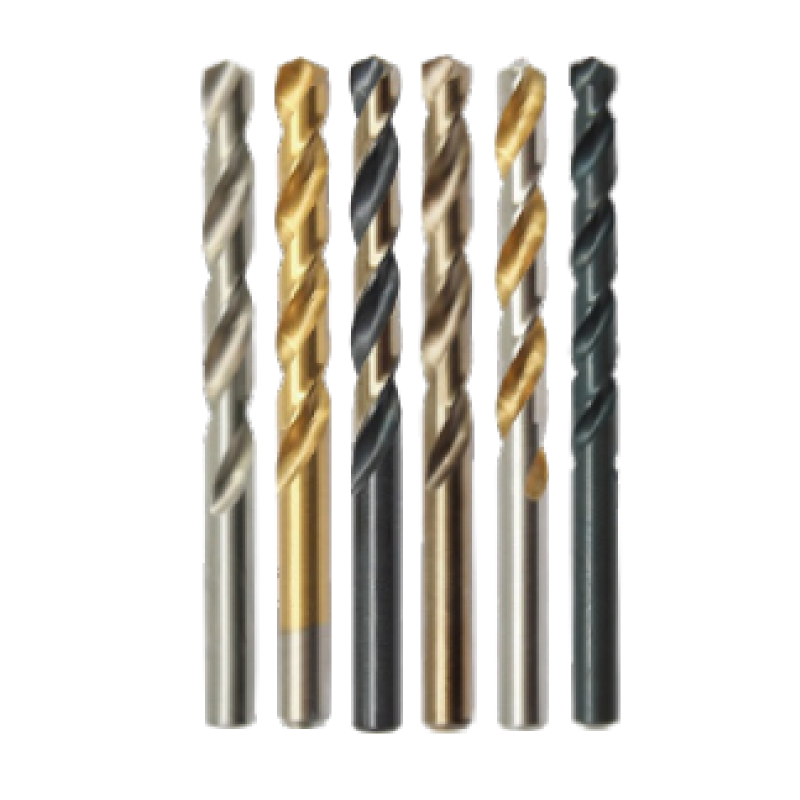
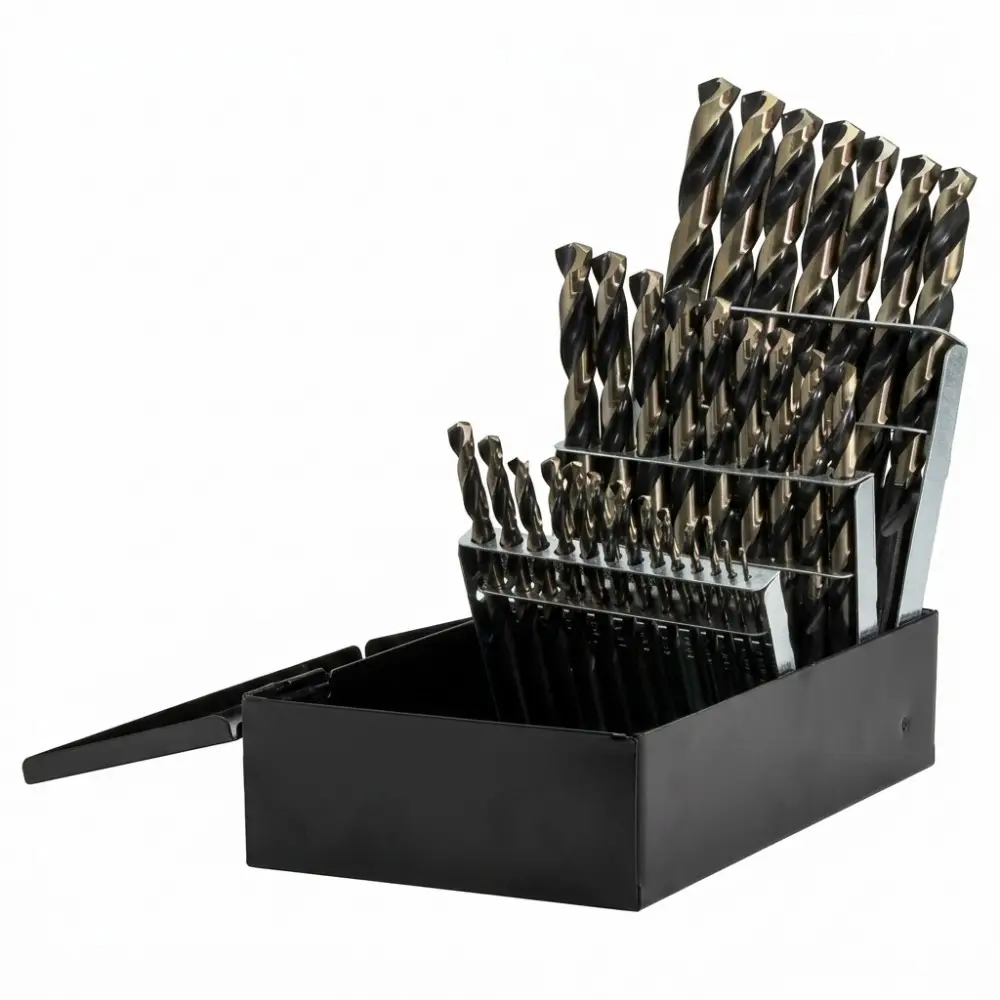
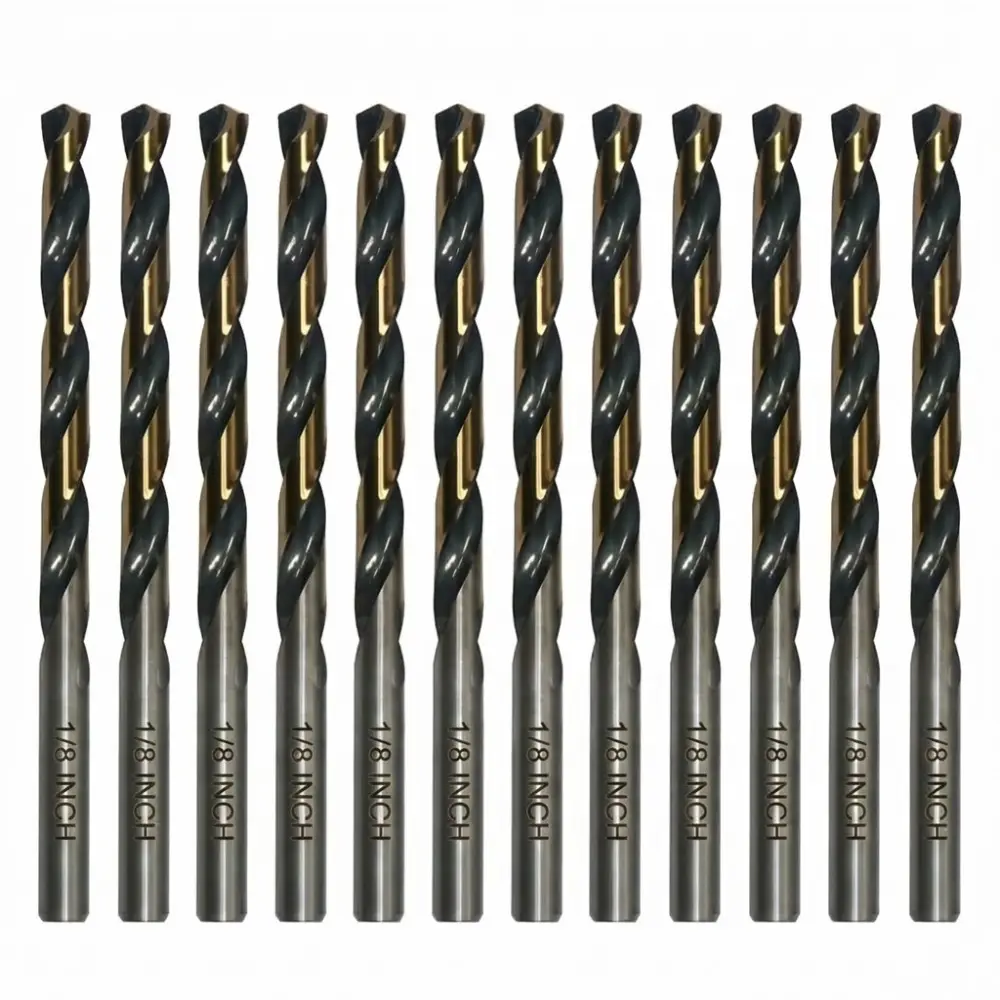
hSS konik saplı spiral matkap
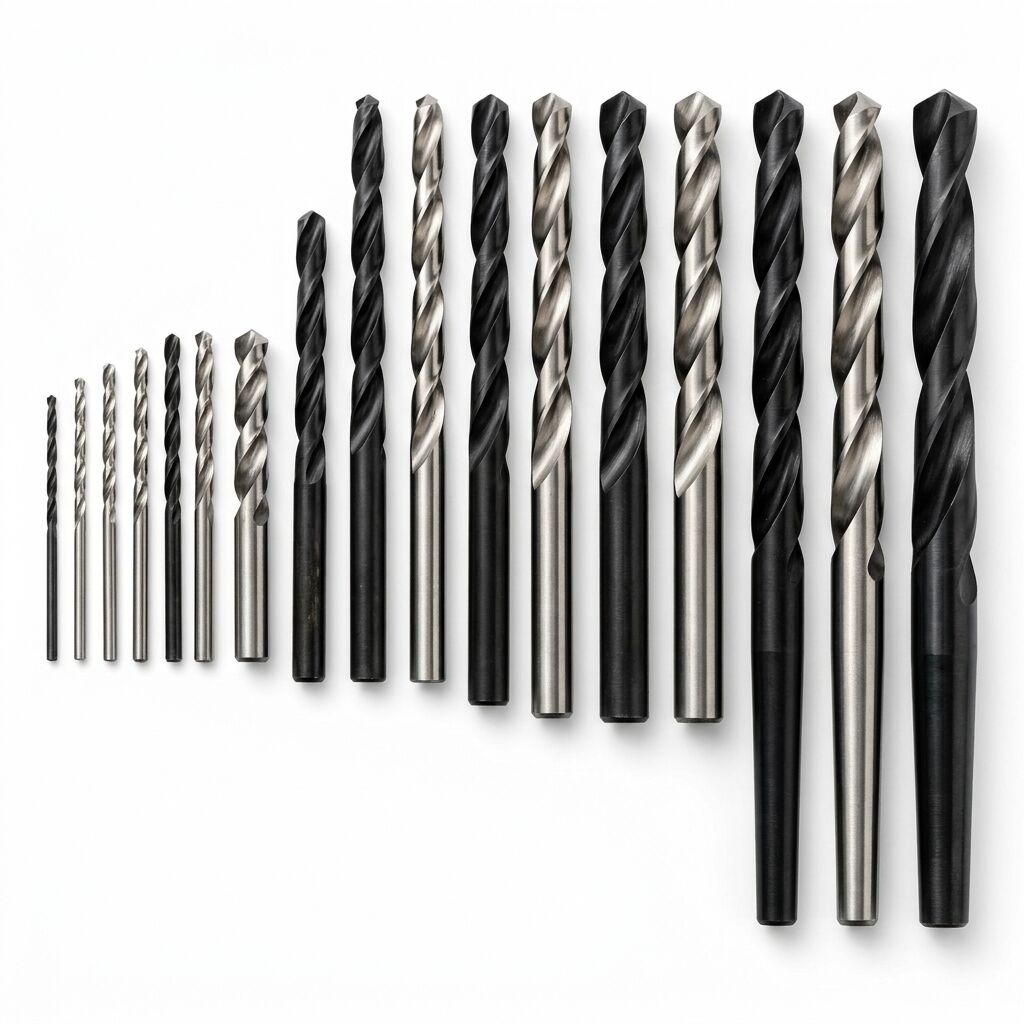
HSS konik saplı vida matkabı, çeşitli malzemeler üzerinde endüstriyel ve profesyonel delme uygulamaları için tasarlanmış, hassasiyetle üretilmiş bir kesme aracıdır. Yüksek hız çeliğinden (HSS) imal edilen bu matkap ucu, dayanıklılığı ile üstün kesme performansını bir araya getirir. Konik saplı vida matkabının, matkap tezgâhları, freze makineleri ve endüstriyel delme ekipmanlarında bulunan eşleşen konik yuvalara güvenle oturan belirgin bir konik montaj ucu vardır. Bu özel tasarım, zorlu işlemler sırasında doğru hizalamayı sağlar ve kaymayı önler. HSS konik saplı vida matkabı, çelik, alüminyum, pirinç ve bakır gibi metallerin yanı sıra bazı plastik ve kompozit malzemelerle çalışırken tutarlı sonuçlar verir. Spiral kanallı tasarım, kesme bölgesinden talaş ve kalıntıyı verimli bir şekilde uzaklaştırarak tıkanmayı önler ve optimal delme hızlarını korur. Yüksek hız çeliği yapısı, ısıya dayanıklılık sağlar ve sürekli çalışma koşullarında keskin kesme kenarlarını korur. Konik saplı vida matkabı, hassas işler için küçük çaplı uçlardan büyük ve ağır işe uygun versiyonlara kadar çeşitli boyutlarda temin edilebilir. Standart konik yapılandırmalar arasında Morse koniği boyutları yer alır; bu da yaygın endüstriyel ekipmanlarla uyumluluğu garanti eder. Vida geometrisi, doğruluğu artırıp delme başlangıcında kaymayı azaltan otomatik merkezleme etkisi yaratır. HSS konik saplı vida matkabının üretimi, 62–65 HRC arasında optimum sertlik seviyelerine ulaşmak amacıyla hassas taşlama ve ısıl işlem süreçlerini içerir. Bu sertlik düzeyi, takımın ömrünü uzatırken, yanal kuvvetlere karşı kırılmaya direnme yeteneğini korumak için yeterli tokluğu da sağlar. Genel uygulamalar için tipik olarak 118 derece açıda taşlanan uç açısı, belirli malzemelere veya gereksinimlere göre özelleştirilebilir. Profesyonel tornacılar ve üretim tesisleri, hız, doğruluk ve takım ömrü önemli olduğu üretim delme operasyonlarında HSS konik saplı vida matkabına güvenir. Konik saplı takımların çıkarılabilir yapısı, farklı matkap boyutları arasında hızlı geçiş imkânı sunarak çok aşamalı iş akışlarında verimliliği artırır. Kaliteli HSS konik saplı vida matkabı ürünleri, delme performansı ve delik kalitesini doğrudan etkileyen boyutsal doğruluk, eksantriklik ve yüzey pürüzlülüğü standartlarını doğrulamak amacıyla titiz bir şekilde denetlenir.
 EN
EN