
 EN
EN



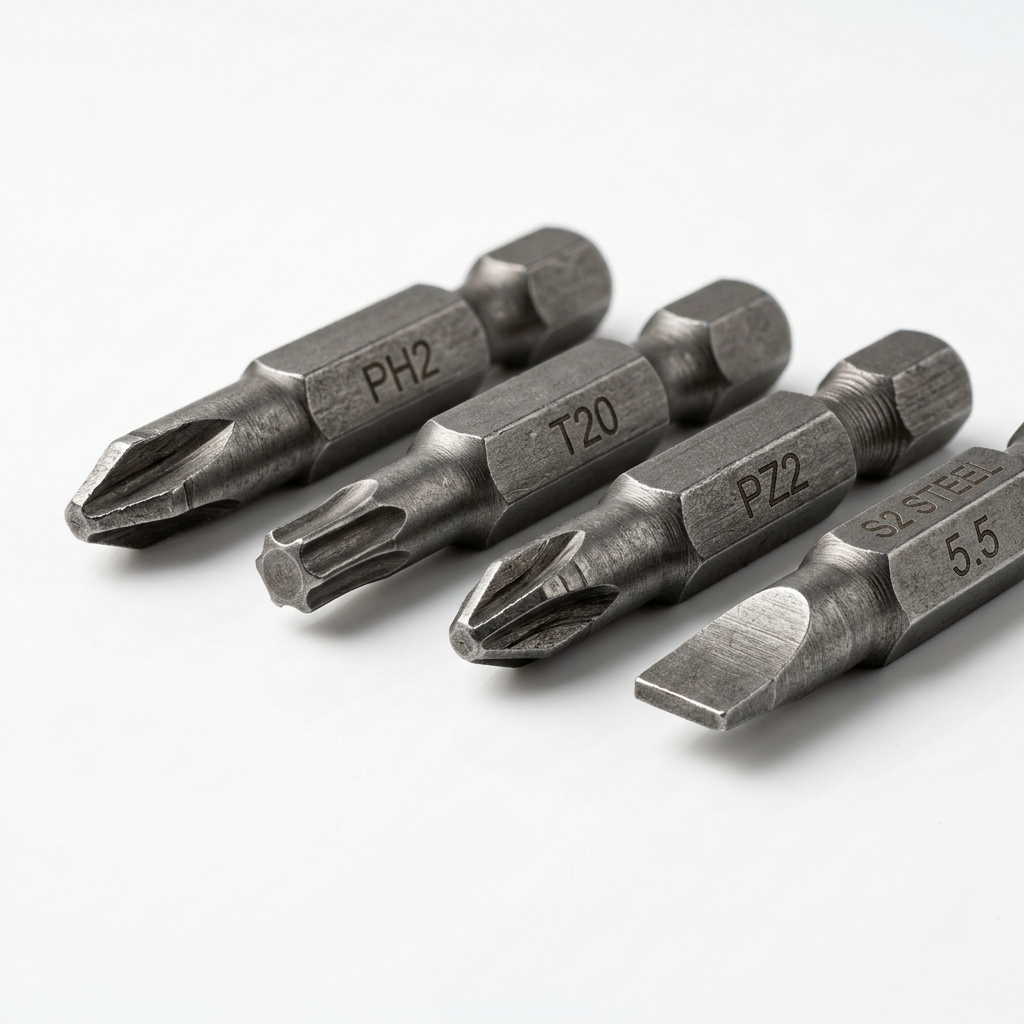
Sourcing the right tooling components for professional or industrial use requires more than a quick price comparison. When it comes to s2steel screwdriver bits, the evaluation process must account for material integrity, dimensional consistency, heat treatment quality, and application suitability. Buyers who skip these checks often face premature tool wear, stripped fasteners, and unexpected downtime on the production floor or job site.
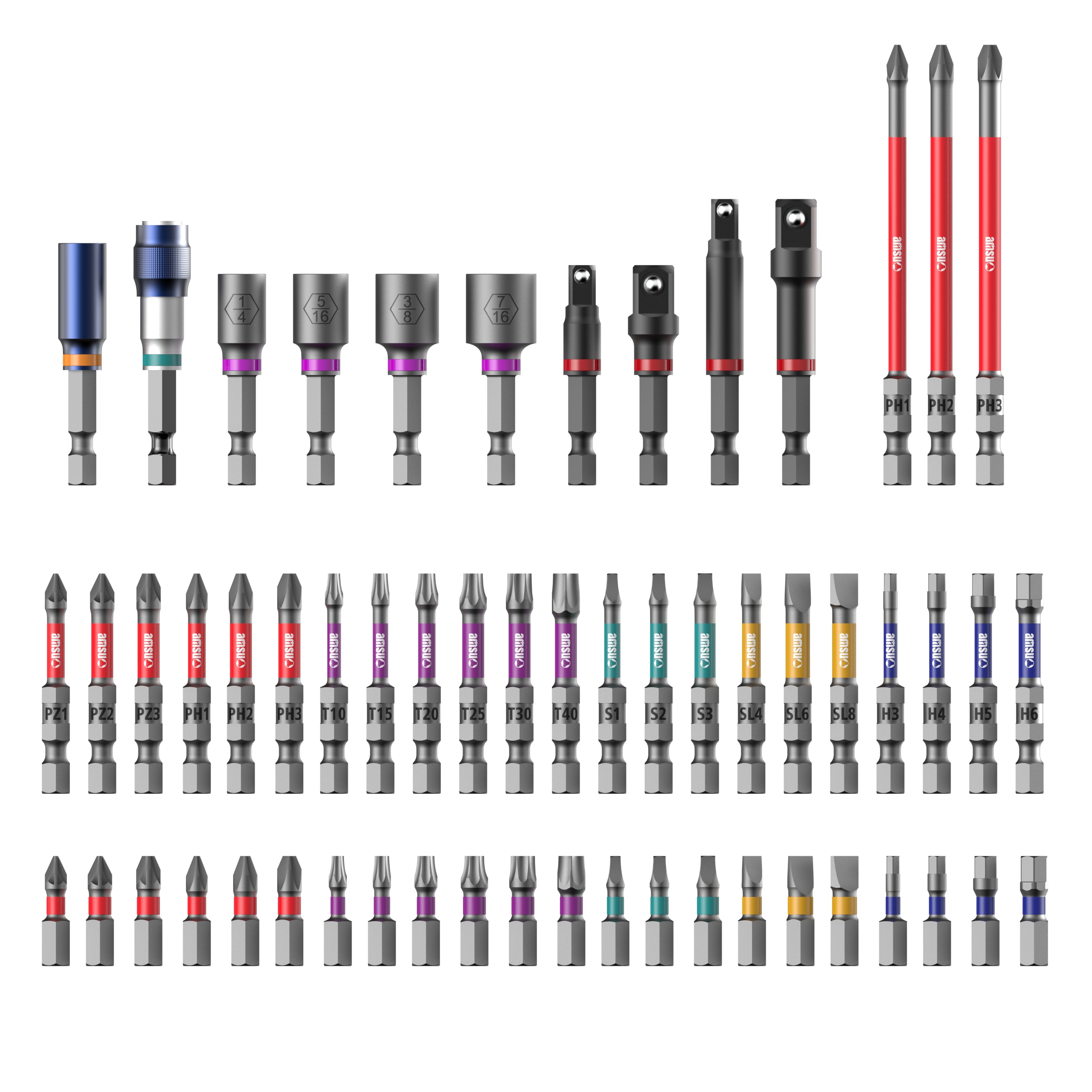
This guide is designed to help procurement professionals, workshop managers, and tool buyers understand exactly what to assess before committing to a supplier or placing a bulk order. Each evaluation factor discussed here reflects real-world sourcing challenges and quality benchmarks that distinguish reliable s2steel screwdriver bits from underperforming alternatives. Taking a structured approach to these criteria will protect your investment and ensure consistent performance across every application.
Understanding the Material Standard Behind S2 Steel
What S2 Steel Grade Actually Means for Tool Performance
S2 steel is a shock-resistant tool steel grade defined by its specific alloy composition, primarily featuring silicon and manganese alongside carbon. This combination gives s2steel screwdriver bits their characteristic toughness, enabling them to absorb impact forces without fracturing. It is the preferred material for high-torque screwdriving applications, including pneumatic and electric power tool use, precisely because of this impact resistance.
Buyers should understand that not all products marketed as S2 steel meet the same chemical and mechanical specifications. Variations in carbon content, heat treatment processes, and secondary alloying elements can produce significant differences in hardness, toughness, and fatigue life. When evaluating s2steel screwdriver bits, requesting material certification or a mill test report from suppliers provides a verifiable basis for comparison.
The hardness range typically targeted for s2steel screwdriver bits falls between 58 and 62 HRC. Bits that fall below this range will deform under load, while those hardened excessively beyond it become brittle and prone to snapping. A supplier that can confirm hardness values through documented testing demonstrates a higher level of quality control and transparency.
Why Alloy Consistency Matters Across Large Orders
For buyers placing volume orders, alloy consistency from batch to batch is critical. Inconsistent material composition leads to unpredictable performance, making quality control on the buyer's end unnecessarily complex. Reliable manufacturers of s2steel screwdriver bits maintain tight tolerances on their raw material sourcing and use standardized heat treatment protocols to ensure each production run delivers the same mechanical properties.
Asking suppliers about their incoming material inspection procedures and whether they source steel from certified mills is a reasonable due diligence step. This is especially important when sourcing s2steel screwdriver bits for safety-sensitive industries such as automotive assembly, aerospace maintenance, or precision electronics manufacturing, where fastener torque accuracy directly affects product integrity.
Heat Treatment Process and Its Impact on Bit Longevity
The Role of Heat Treatment in Defining Bit Durability
Heat treatment is the process that transforms raw S2 steel stock into a finished tool with the hardness and toughness balance required for professional use. For s2steel screwdriver bits, this typically involves austenitizing, quenching, and tempering stages, each of which must be executed within precise temperature and time parameters. Deviations at any stage can compromise the final mechanical properties of the bit.
Buyers evaluating s2steel screwdriver bits should ask suppliers whether they use controlled atmosphere furnaces to prevent surface decarburization, which weakens the outer layer of the steel and reduces tip hardness. Surface integrity is particularly important because the driving tip experiences the highest stress concentration during fastener engagement. A decarburized tip wears rapidly and strips easily under normal working loads.
Tempering after quenching is equally important. Properly tempered s2steel screwdriver bits retain enough toughness to resist chipping under impact, while improperly tempered bits may be hard but brittle. Requesting information about tempering temperatures and cycle durations gives buyers a meaningful data point for comparing supplier capability.
Surface Finishing and Coating as Quality Indicators
Beyond the base heat treatment, the surface finishing applied to s2steel screwdriver bits affects both corrosion resistance and friction performance. Black oxide, phosphate, and various physical vapor deposition coatings are commonly used, each offering different trade-offs between cost, protection level, and dimensional precision. Understanding which finish is appropriate for your operating environment is part of a thorough sourcing evaluation.
For buyers in high-humidity environments or those who store bits in toolboxes without climate control, corrosion resistance becomes a practical concern. Evaluating whether the surface treatment on s2steel screwdriver bits provides adequate protection without introducing dimensional variation that affects fit to fastener heads is an often-overlooked but genuinely important factor.
Dimensional Accuracy and Tip Geometry Standards
How Tip Geometry Affects Functional Reliability
The geometric accuracy of the driving tip is one of the most direct predictors of how well s2steel screwdriver bits will perform in application. A tip that is out of tolerance will rock within the fastener recess, increasing the risk of cam-out, stripping the fastener head, and accelerating bit wear. This is a common failure mode with low-quality bits, and it is largely avoidable through tighter manufacturing tolerances.
Buyers should evaluate whether suppliers reference international standards such as ISO 1173 for bit shank dimensions or DIN 3126 for bit body specifications. Compliance with these standards indicates that s2steel screwdriver bits are manufactured to recognized engineering benchmarks rather than arbitrary in-house specifications. This matters particularly when bits need to be interchangeable across multiple tool brands or when replacing bits within an existing tool inventory.
For Phillips, Pozidriv, Torx, and other recessed drive types, the angle and depth of the tip profile must match the corresponding fastener geometry precisely. Even small deviations in tip angle can translate into increased axial force requirements and higher cam-out risk. Professional buyers should request dimensional inspection reports or gauge measurement data when sourcing s2steel screwdriver bits in volume.
Shank Tolerances and Chuck Compatibility
The hexagonal shank of s2steel screwdriver bits must also conform to dimensional specifications that ensure a secure, vibration-resistant fit in bit holders and quick-change chucks. A shank that is undersized will rattle and introduce play into the drive system, while an oversized shank may cause premature wear in the chuck or fail to seat properly in magnetic bit holders.
Evaluating shank tolerances is especially important for buyers supplying bits to high-cycle production environments where tools run for extended periods under consistent torque loads. In these settings, even minor dimensional inconsistencies accelerate wear on both the bit and the tool, increasing total cost of ownership significantly. Confirming shank specifications against your existing tool inventory before approving a supplier is a straightforward but valuable step.
Application Matching and Specification Range
Matching Bit Type and Length to Specific Use Cases
Not all s2steel screwdriver bits are designed for the same applications. Buyers should evaluate whether a supplier offers a specification range that covers their actual needs, including drive type variety, bit length options, and any specialized formats such as torsion zone bits for impact driver use. A supplier with a narrow product range may require buyers to source from multiple vendors, increasing administrative complexity and the risk of quality inconsistency.
For hand tool applications, standard 25mm or 50mm bits are typically sufficient. For machine screwdriving in assembly line contexts, longer bit formats or custom lengths may be necessary to maintain ergonomic tool positioning. Evaluating the breadth and depth of a supplier's s2steel screwdriver bits catalog early in the sourcing process prevents the need for mid-project specification changes.
Impact-rated variants of s2steel screwdriver bits incorporate a torsion or flex zone into the shank design, which absorbs rotational shock and reduces breakage risk when used with impact drivers. If your application involves impact tools, confirming that the bits you are sourcing are designed and tested for that use case is an essential part of specification matching.
Volume Options, Packaging, and Inventory Management Support
For industrial buyers managing ongoing consumption of s2steel screwdriver bits, practical logistics considerations matter alongside technical specifications. Packaging formats that facilitate bin replenishment, kitting, or point-of-use storage contribute to operational efficiency. Suppliers who offer flexible pack sizes — from individual bits to bulk industrial packs — can better support varied inventory management systems.
Labeling accuracy, barcode compatibility with procurement systems, and minimum order quantity flexibility are all legitimate evaluation criteria when sourcing s2steel screwdriver bits at scale. Buyers who align supplier capabilities with their internal purchasing workflows reduce friction in the replenishment process and lower the risk of stockouts at critical usage points.
Supplier Capability and Quality Assurance Verification
Assessing Manufacturing Capability and Audit Readiness
A supplier's manufacturing capability directly determines whether they can consistently deliver s2steel screwdriver bits that meet your specifications. Buyers should evaluate whether suppliers operate with ISO 9001-certified quality management systems, which provide a structural framework for process control, defect tracking, and continuous improvement. Certification alone does not guarantee quality, but it indicates that the supplier operates with documented and auditable processes.
Factory audit readiness is another useful signal. Suppliers who welcome on-site visits or third-party audits typically have more confidence in their manufacturing standards than those who resist scrutiny. For buyers placing significant orders of s2steel screwdriver bits, an audit or a detailed capability questionnaire sent to the supplier is a proportionate level of due diligence.
Requesting sample batches before committing to a full order is standard practice and should be accompanied by specific incoming inspection criteria. Defining acceptable hardness range, dimensional tolerances, visual defect limits, and functional test pass rates in advance gives both the buyer and the supplier a clear shared standard against which samples can be evaluated.
After-Sales Support and Technical Responsiveness
Technical responsiveness from a supplier is a practical indicator of how issues will be handled after the order is placed. Buyers evaluating s2steel screwdriver bits should consider whether the supplier can provide technical documentation on request, respond to specification questions promptly, and support root cause analysis if defects are identified in the field. A supplier who cannot engage technically is a liability in professional sourcing relationships.
Warranty terms, return authorization processes, and replacement lead times are also worth evaluating before committing to a supplier. Understanding how non-conforming products will be handled protects buyers from absorbing the full cost of supplier quality failures. These terms should be clearly defined in the purchase agreement, not left to informal understanding.
FAQ
What hardness level should s2steel screwdriver bits have for professional use?
For professional applications, s2steel screwdriver bits should typically be hardened to between 58 and 62 HRC. This range provides the right balance of hardness for wear resistance and toughness to withstand impact without fracturing. Bits hardened below this range deform under torque, while those above it become brittle. Confirming hardness values through supplier documentation or independent testing is recommended before approving a source.
Are s2steel screwdriver bits suitable for impact drivers?
Standard s2steel screwdriver bits can be used with impact drivers in some cases, but impact-rated variants with a torsion or flex zone in the shank are better suited to the high-frequency rotational shock that impact tools generate. Buyers should confirm with their supplier whether the s2steel screwdriver bits they are sourcing are specifically designed and tested for impact driver compatibility before using them in that application.
How can I verify that the S2 steel used in bits meets the claimed specification?
The most reliable method is to request a mill test report or material certificate from the supplier, which documents the chemical composition and mechanical properties of the steel used. For additional assurance, buyers can commission independent laboratory testing on sample batches, including hardness testing and spectrographic analysis. Suppliers who are confident in their material sourcing will typically provide this documentation without resistance.
What dimensional standards apply to s2steel screwdriver bits?
The most widely referenced standards for s2steel screwdriver bits include ISO 1173, which covers bit shank dimensions, and DIN 3126, which specifies bit body geometry. These standards define the hexagonal shank dimensions, tolerances, and length classifications that ensure compatibility with standard bit holders and quick-change chucks. Buyers should confirm that any bits they are sourcing reference and comply with these or equivalent recognized standards.