 EN
EN

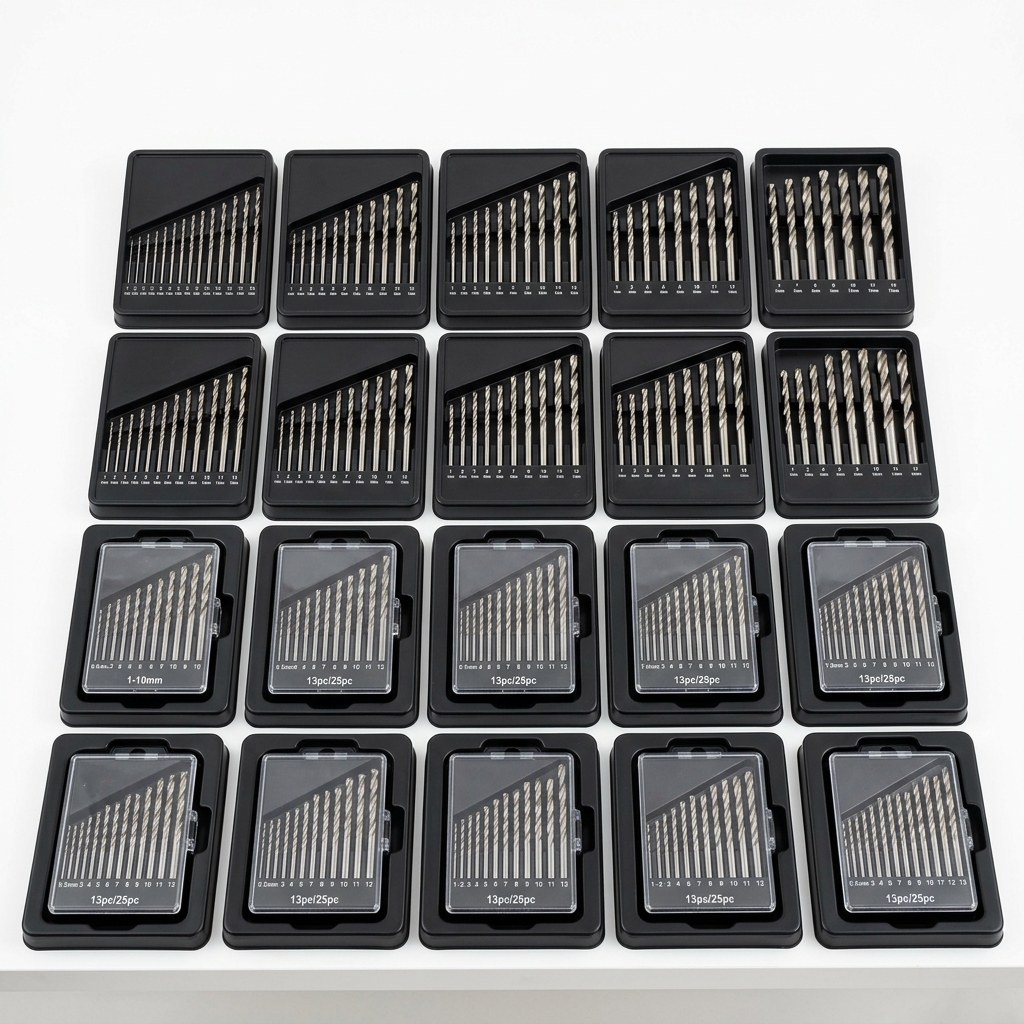
Sourcing drill bitset bulk orders for wholesale distribution is a process that demands strategic planning, supplier evaluation, and a clear understanding of market requirements. Whether you are a hardware distributor, industrial equipment reseller, or trade platform operator, getting the sourcing process right determines your margins, product reliability, and customer satisfaction over the long term. The decisions you make at the procurement stage ripple through your entire supply chain, so building a structured approach from the start is essential.
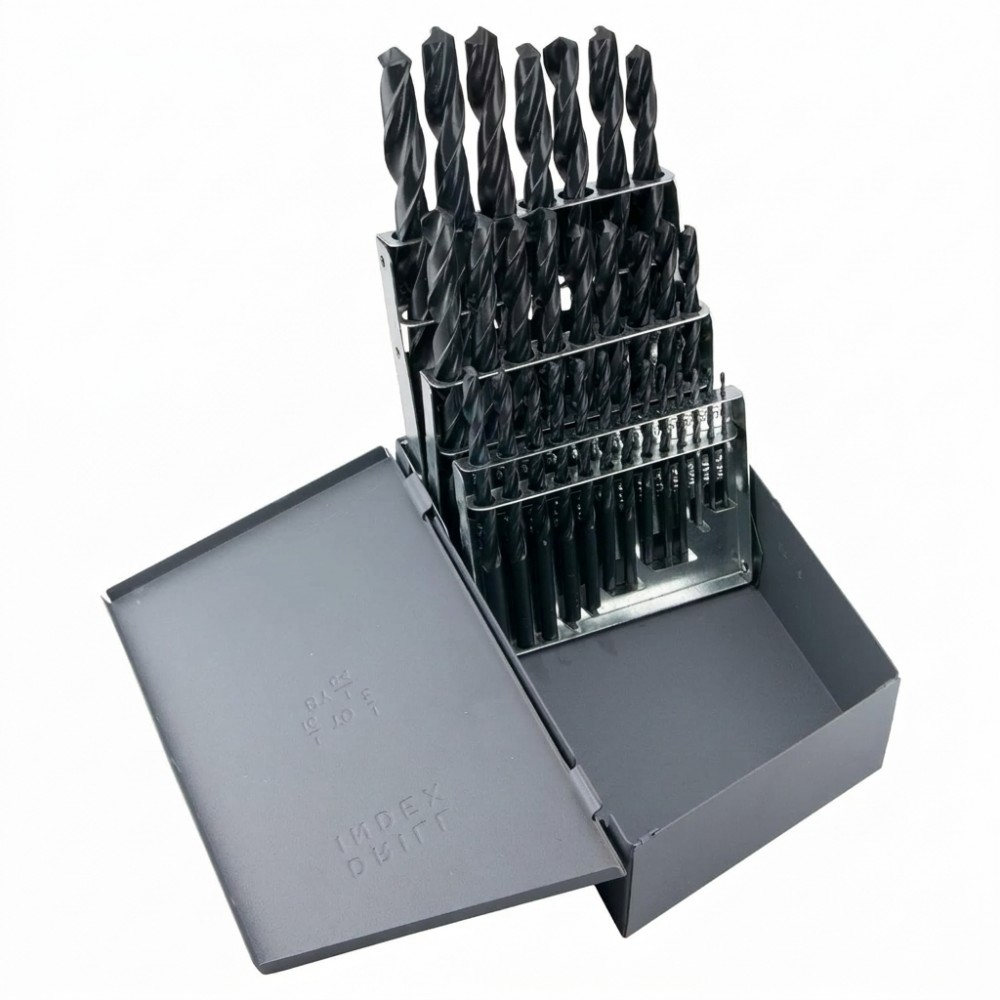
The global demand for drill bitset bulk procurement continues to grow across construction, manufacturing, automotive servicing, and general industrial maintenance sectors. Wholesale distributors who understand how to navigate manufacturer relationships, quality standards, and logistics requirements are better positioned to capture this demand profitably. This guide walks you through every key stage of the sourcing process, from defining your product specifications to building reliable supplier partnerships and managing your inventory flow effectively.
Understanding What Drill Bitset Bulk Procurement Actually Involves
Defining Bulk Quantities and Distribution Tiers
Before approaching any supplier, it is important to define what 'bulk' means within your specific distribution context. For some wholesale distributors, drill bitset bulk orders might start at a few hundred units per SKU, while for larger platform operators or regional distributors, minimum order quantities can run into tens of thousands of pieces per shipment. Your distribution tier determines your negotiating position, your pricing structure, and the type of manufacturer or trading company that is the right fit for your business model.
Wholesale distribution of drill bitsets typically operates across several tiers. At the primary level, distributors purchase directly from manufacturers in large consolidated shipments. At secondary and tertiary levels, smaller regional distributors buy from primary wholesalers in smaller but still significant quantities. Understanding where your operation sits in this chain helps you set realistic expectations for pricing, lead times, and customization options when sourcing drill bitset bulk orders.
Clarifying your order cadence is equally important. Are you placing one large annual purchase order, or do you prefer smaller quarterly replenishments? Manufacturers and large suppliers structure their pricing and production scheduling differently depending on your order frequency. Establishing this clarity early in supplier conversations saves significant negotiation time and prevents misaligned expectations around delivery windows.
Identifying the Right Product Specifications for Your Market
Drill bitset bulk procurement is not a one-size-fits-all exercise. The specifications you need depend heavily on the end markets you serve. Industrial buyers in metalworking and fabrication will require high-speed steel or cobalt-grade bits with tight dimensional tolerances. General construction and woodworking markets may prioritize cost efficiency over premium material grades. Understanding your end-user base before placing any bulk order prevents costly mismatches between what you stock and what your customers actually purchase.
Key specification factors for drill bitset bulk sourcing include material composition, such as high-speed steel grades like M2 or M35, coating types including titanium nitride or black oxide, shank diameter standards, flute geometry, and overall length classifications such as jobber length or stub length. Each of these variables affects cutting performance, tool life, and suitability for specific applications. Distributors who can speak knowledgeably about these specifications are better equipped to guide their customers and justify premium pricing where appropriate.
Standardization across your product range also simplifies inventory management significantly. When sourcing drill bitset bulk orders, consider building your catalog around a defined set of specifications that cover the broadest range of customer applications without creating excessive SKU complexity. This approach reduces warehouse handling costs and makes reordering more predictable and efficient over time.
How to Evaluate and Select Reliable Bulk Suppliers
Criteria for Assessing Manufacturer Capabilities
Selecting the right supplier for drill bitset bulk orders goes well beyond comparing price sheets. A capable manufacturer must demonstrate consistent production capacity, quality control systems, certifications relevant to your target markets, and a track record of fulfilling large wholesale orders on schedule. Requesting detailed capability documentation, including production line capacity, quality certifications such as ISO 9001, and sample order processing timelines, gives you a much more accurate picture than price negotiations alone.
Factory audits, whether conducted in person or through a third-party inspection agency, are a valuable step for high-volume drill bitset bulk sourcing relationships. An audit helps verify that the supplier's stated production capacity matches reality, that raw materials meet the specified grade requirements, and that dimensional inspection procedures are consistently applied during production. For distributors building a long-term supply relationship, this due diligence investment pays dividends in reduced quality disputes and returns downstream.
Communication responsiveness and technical support capability are often underestimated supplier evaluation criteria. When sourcing drill bitset bulk quantities, you will inevitably encounter situations requiring rapid clarification on specifications, delivery updates, or documentation for customs clearance. A supplier with a dedicated export sales team and clear communication protocols significantly reduces friction throughout the procurement lifecycle compared to suppliers who handle inquiries slowly or inconsistently.
Comparing Trading Companies Versus Direct Manufacturers
Wholesale distributors sourcing drill bitset bulk orders frequently face the choice between purchasing directly from a manufacturer or working through a trading company or sourcing agent. Each approach carries distinct advantages depending on your order volume, product range breadth, and internal sourcing expertise. Direct manufacturer relationships typically offer better pricing per unit, greater customization flexibility, and direct access to production scheduling information, but they require higher minimum order quantities and more intensive supplier management effort.
Trading companies, on the other hand, offer the ability to consolidate drill bitset bulk orders with other product categories in a single shipment, which can reduce per-unit logistics costs when your order volumes for any single SKU are relatively modest. They also tend to have established quality inspection processes and export documentation experience that can simplify the import process for buyers in markets with complex customs requirements. The trade-off is a slightly higher unit cost reflecting the trading company's margin.
For distributors building a serious wholesale business around drill bitset bulk procurement, developing at least one direct manufacturer relationship alongside one or two trading company relationships provides a balanced sourcing portfolio. This approach gives you pricing leverage from the direct relationship while maintaining flexibility and consolidated shipping options through the trading channels for smaller or more diverse orders.
Managing Quality Assurance for Bulk Drill Bitset Orders
Pre-Production and In-Process Quality Controls
Quality assurance for drill bitset bulk procurement must be addressed at multiple stages of the production and delivery process rather than only at final inspection. Pre-production verification involves confirming that the raw materials, particularly the steel grade or carbide substrate being used, meet the specifications agreed upon in the purchase order. Requesting material certificates or mill test reports before production begins is standard practice for serious wholesale distributors and should be written into your supplier agreements as a formal requirement.
In-process quality checks during the manufacturing of your drill bitset bulk order help catch dimensional or heat treatment deviations before they affect the entire production run. Key in-process checkpoints include verifying flute geometry consistency, checking point angle accuracy, and inspecting coating adhesion and uniformity on coated bit variants. Suppliers with robust in-process control procedures can provide inspection reports at defined production milestones, giving you early visibility into any issues that might require corrective action before the order is completed.
Establishing a clear acceptance criteria document before each production run removes ambiguity from the quality process. This document should define allowable tolerances for key dimensions, surface finish requirements, hardness range expectations, and packaging standards. When both you and your supplier are working from the same written acceptance criteria, dispute resolution becomes faster and less contentious, protecting both the business relationship and your delivery timelines.
Final Inspection and Third-Party Verification
Final pre-shipment inspection is a critical checkpoint for any significant drill bitset bulk order, particularly when dealing with a new supplier or a new product specification. A statistically valid random sample inspection conducted against your acceptance criteria document provides confidence that the bulk shipment meets your standards before it leaves the supplier's facility. For large orders, engaging a third-party inspection agency to conduct this final check adds an independent verification layer that is difficult for suppliers to influence or manipulate.
Inspection scope for drill bitset bulk orders should cover dimensional verification of critical parameters, visual inspection for surface defects or coating irregularities, packaging integrity checks, and carton labeling accuracy including part numbers, quantity counts, and any compliance markings required by your import regulations. A well-structured pre-shipment inspection report becomes a useful document for resolving any post-delivery disputes and provides traceability back to specific production batches.
Building inspection costs into your landed cost calculations from the start is a mark of experienced wholesale procurement. While third-party inspections represent an additional expense, they consistently pay for themselves by preventing costly returns, warranty claims, and customer satisfaction issues that would otherwise arise from accepting substandard drill bitset bulk shipments without adequate verification.
Logistics, Pricing, and Inventory Planning for Wholesale Distribution
Calculating True Landed Cost for Bulk Drill Bitset Orders
Wholesale distributors who base their purchasing decisions on supplier unit price alone frequently encounter unpleasant surprises when the full cost of bringing drill bitset bulk orders to their warehouse is calculated. True landed cost includes the supplier's ex-works or FOB price, international freight charges, marine insurance, customs duties and import taxes, port handling and demurrage fees, and inland transportation to your distribution facility. In some markets, compliance testing or certification fees must also be factored in before products can be legally sold.
Freight mode selection significantly impacts landed cost for drill bitset bulk procurement. Sea freight in full container loads offers the lowest per-unit shipping cost but requires larger order quantities and longer lead times of typically four to eight weeks depending on origin and destination. Less than container load shipments provide more flexibility for smaller bulk orders but carry a higher per-unit freight cost. Air freight is reserved for urgent replenishments or sample shipments given the substantial cost premium it carries over ocean freight for heavy products like drill bits.
Currency fluctuation is another cost factor that wholesale distributors sourcing drill bitset bulk orders from international suppliers must actively manage. Locking in exchange rates through forward contracts or using invoicing in your local currency where suppliers permit can protect your margin calculations from volatility between the order placement and payment dates. This financial discipline is particularly important when operating on thin wholesale margins where small exchange rate movements can meaningfully affect profitability.
Inventory Planning and Reorder Cycle Optimization
Effective inventory planning for drill bitset bulk wholesale distribution requires balancing the cost benefits of large orders against the carrying costs and demand variability risks of holding excess stock. Building a demand history for each SKU in your drill bit range, even if approximate in the early stages of your distribution business, gives you a foundation for setting rational reorder points and safety stock levels. As your sales data matures, these parameters can be refined to minimize both stockout risk and excess inventory exposure.
Supplier lead time variability must be incorporated into your inventory planning model. If your primary drill bitset bulk supplier has a typical production and shipping lead time of ten weeks but occasionally stretches to fourteen weeks during peak demand periods, your safety stock calculation should account for this variability rather than using only the average lead time. Distributors who ignore lead time variance frequently find themselves caught short during busy seasons when their customers need reliable supply most urgently.
Packaging and labeling requirements for wholesale distribution vary by channel and geography, and these should be discussed with your supplier during the order specification process rather than treated as an afterthought. Whether you need retail-ready blister card packaging, bulk poly bag packaging for industrial resellers, or private label packaging under your own distribution brand, communicating these requirements clearly before production begins prevents costly rework or repackaging expenses at the destination warehouse.
FAQ
What minimum order quantity is typical for drill bitset bulk wholesale sourcing?
Minimum order quantities for drill bitset bulk orders vary significantly depending on the supplier type and product specification. Direct manufacturers typically require higher minimums, often starting at 500 to 1,000 sets per SKU, while trading companies may accept smaller quantities in the range of 100 to 300 sets. Your negotiated MOQ will also depend on factors such as customization requirements, packaging complexity, and the overall value of your order. Establishing a consistent purchasing history with a supplier over time often creates opportunities to negotiate more flexible minimums as the relationship develops.
How do I verify the material grade of drill bitset bulk orders before shipment?
Verifying material grade in drill bitset bulk procurement typically involves requesting mill test certificates or material conformance reports from the supplier at the pre-production stage. For high-stakes orders or new supplier relationships, third-party material testing through an accredited laboratory provides independent confirmation of alloy composition and hardness properties. Spectrographic analysis and Rockwell hardness testing are the two most commonly used verification methods for high-speed steel drill bits in wholesale procurement contexts.
Can I source drill bitset bulk orders with private label or custom packaging?
Private label and custom packaging are widely available options for drill bitset bulk wholesale orders, particularly when purchasing directly from manufacturers. Typical customization options include branded packaging with your logo and product descriptions, custom color schemes, specific labeling formats for different retail or industrial channels, and custom set configurations grouping specific size ranges together. Lead times for custom packaging orders are generally longer than standard catalog orders, so factoring in an additional two to four weeks for packaging development and approval is advisable when planning your procurement timeline.
What certifications should I look for when sourcing drill bitset bulk for regulated markets?
Certification requirements for drill bitset bulk distribution vary by destination market. For distribution in Europe, CE marking and compliance with relevant machinery directive requirements may apply depending on the product category and end-use context. For North American markets, compliance with relevant ANSI dimensional standards and, for certain industrial channels, adherence to specific performance testing protocols may be expected. Verifying which certifications your target market customers require before finalizing your supplier selection ensures that your drill bitset bulk inventory can be sold without regulatory obstacles once it arrives in your distribution territory.
Table of Contents
- Understanding What Drill Bitset Bulk Procurement Actually Involves
- How to Evaluate and Select Reliable Bulk Suppliers
- Managing Quality Assurance for Bulk Drill Bitset Orders
- Logistics, Pricing, and Inventory Planning for Wholesale Distribution
-
FAQ
- What minimum order quantity is typical for drill bitset bulk wholesale sourcing?
- How do I verify the material grade of drill bitset bulk orders before shipment?
- Can I source drill bitset bulk orders with private label or custom packaging?
- What certifications should I look for when sourcing drill bitset bulk for regulated markets?