 EN
EN

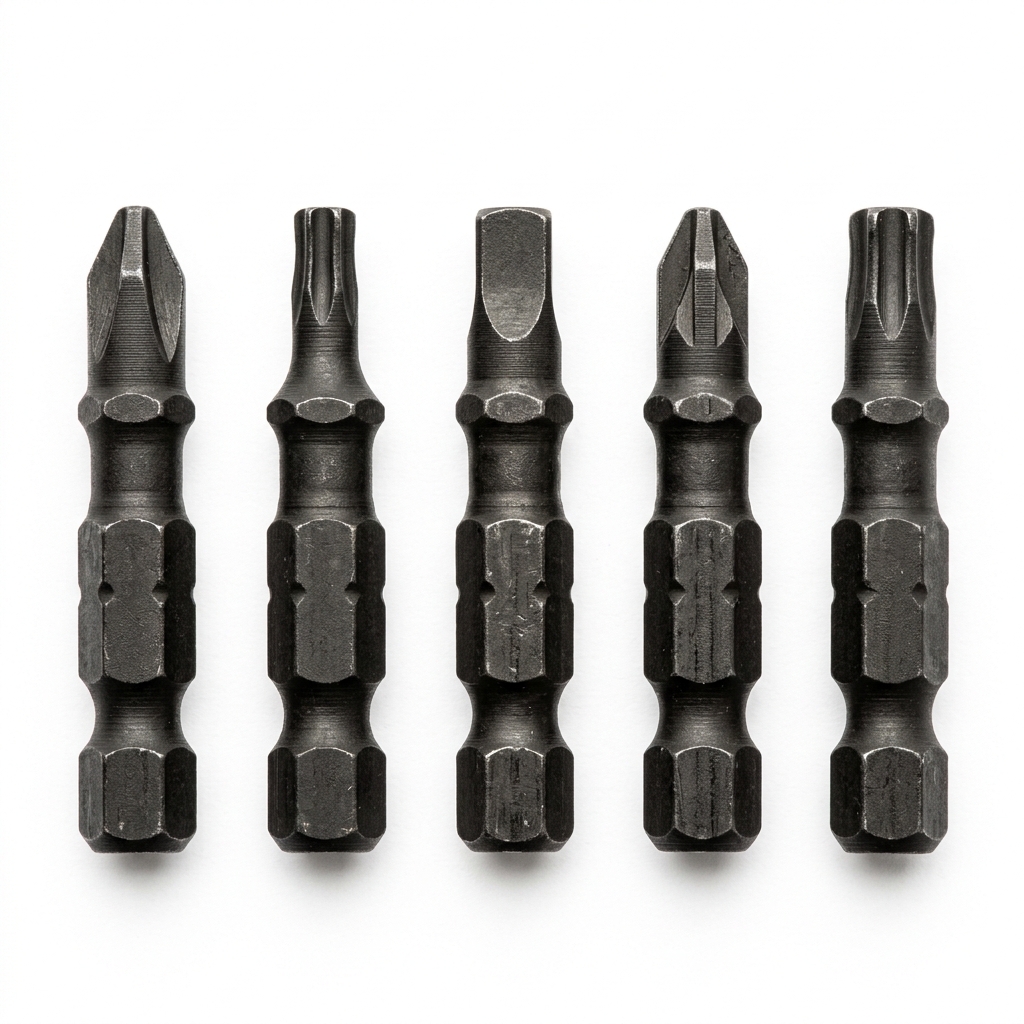
Across virtually every sector that involves assembly, maintenance, or construction, professionals rely on the right tooling to keep workflows efficient and error-free. Among the most consistently demanded accessories in high-output environments are impact screwdriver bits, engineered specifically to endure the rotational forces generated by impact drivers and impact wrenches. Unlike standard bits, these accessories are built with torsion zones and hardened steel compositions that resist cam-out, cracking, and premature wear under sustained torque loads. Understanding which industries depend on them daily helps procurement managers, tool supervisors, and tradespeople make smarter sourcing decisions.
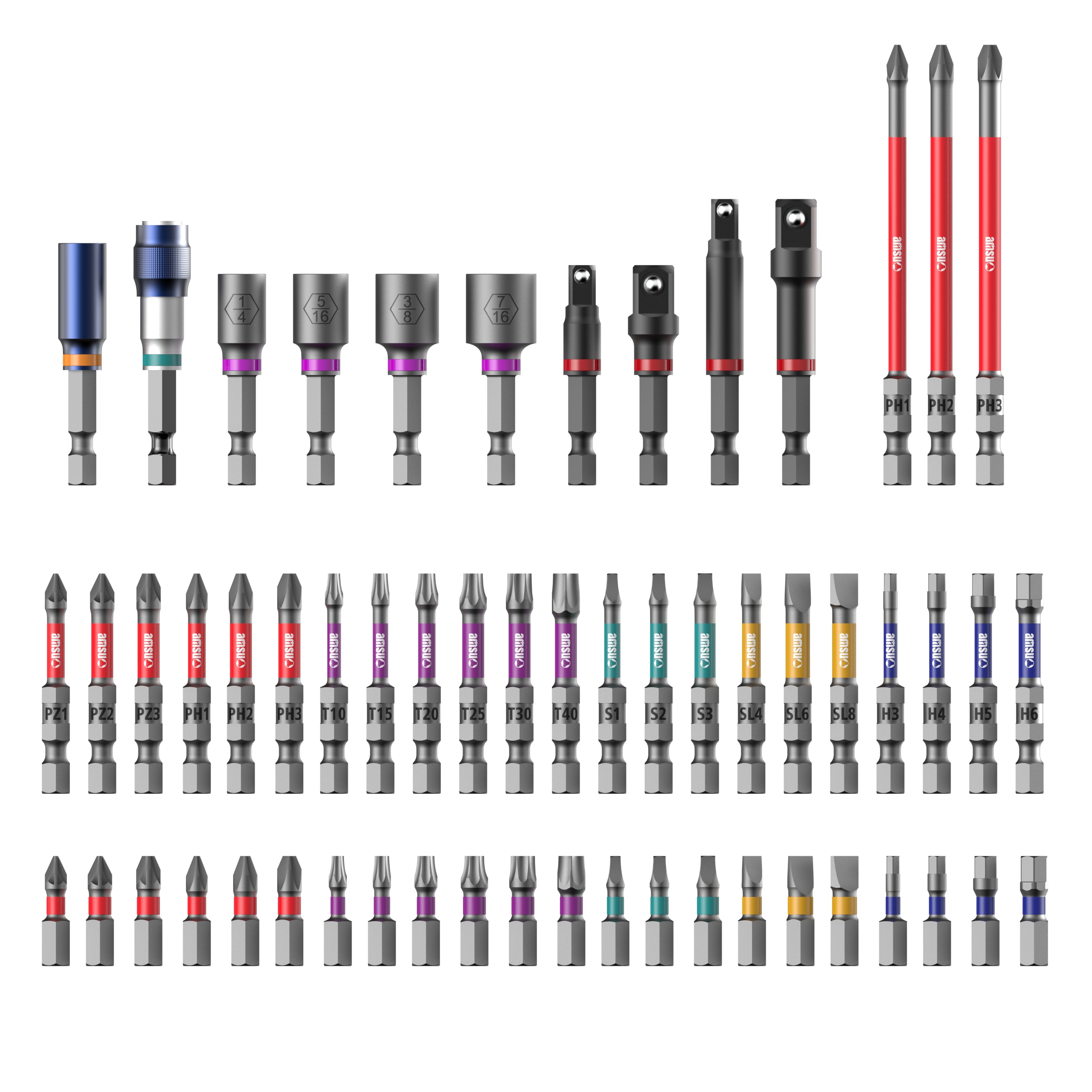
The demand for impact screwdriver bits spans an impressive range of industries, each with distinct performance requirements tied to material types, fastener sizes, and daily volume expectations. From automotive plants to residential construction sites, these tools appear wherever speed and reliability are non-negotiable. This article examines the specific industries that commonly depend on impact screwdriver bits for daily operations, exploring what drives that dependency and what performance factors matter most in each context.
Construction and Building Trades
Residential and Commercial Framing
The construction industry stands as one of the highest-volume consumers of impact screwdriver bits worldwide. Framers, drywall installers, and finish carpenters drive thousands of fasteners per day, and only bits rated for high-impact use can survive that level of repetition without snapping or losing tip geometry. Impact screwdriver bits used in framing applications typically carry a Phillips or square drive profile and must maintain consistent engagement across both softwood and engineered lumber.
In commercial building projects, the daily fastener count multiplies significantly. Large crews installing structural components, steel stud framing, or composite decking materials subject their tooling to continuous stress cycles. Operators working with impact drivers expect their impact screwdriver bits to deliver dozens of hours of use before replacement is needed. Bit durability directly affects labor productivity because frequent bit changes interrupt workflows and increase operational costs.
Project managers in the construction trade increasingly specify impact-rated accessories from the outset of procurement planning. The recognition that standard bits fail prematurely when paired with impact drivers has made impact screwdriver bits a default choice rather than an optional upgrade across most serious building operations.
Roofing, Flooring, and Specialty Installation
Roofers installing metal panels, shingles with screw-down fasteners, or structural insulated panels rely heavily on impact screwdriver bits throughout their shifts. The angular stress involved in overhead or slope-surface fastening adds a shear component that places additional strain on bit tips. Impact screwdriver bits designed with torsion flex zones absorb these stresses more effectively, reducing tip breakage and cam-out that could damage both the fastener and the surface material.
Flooring contractors installing hardwood, engineered wood, or large-format tile systems with screw-fixing methods also benefit enormously from impact screwdriver bits. Consistent torque delivery ensures each fastener seats evenly, which matters for both structural integrity and final appearance. In these applications, precision-machined tip geometry is just as important as toughness, since stripped fastener heads create rework scenarios that consume time and materials.
Automotive Manufacturing and Repair
Assembly Line Fastening Operations
The automotive manufacturing sector represents one of the most demanding environments for impact screwdriver bits. Assembly lines run at high speeds, and each station may involve dozens of fastening operations per vehicle. Torx, Phillips, and hex drive impact screwdriver bits are rotated through production systems continuously, and tooling failure at any point disrupts the line flow and triggers costly downtime.
Quality standards in automotive assembly require that fastener torque values fall within precise tolerances. Impact screwdriver bits that maintain tip geometry over extended use contribute directly to torque consistency, which has implications for safety-critical joints involving suspension components, braking systems, and powertrain assemblies. Manufacturers specify impact-rated bits not just for durability but for the dimensional stability that ensures repeatable fastener performance cycle after cycle.
Because automotive plants operate in multi-shift environments, the cumulative usage hours placed on impact screwdriver bits are extremely high. Tooling supervisors track bit replacement cycles to forecast costs and prevent mid-shift failures. This tracking practice reflects how essential impact screwdriver bits are to uninterrupted production at scale.
Automotive Service and Repair Shops
Independent garages and dealership service centers depend on impact screwdriver bits daily for tasks ranging from panel removal and interior disassembly to underbody fastening and engine service. Technicians working with impact wrenches and impact drivers reach for these bits dozens of times per service appointment. In high-volume repair facilities, the per-technician bit consumption is substantial.
Service technicians favor impact screwdriver bits that fit securely in quick-release chucks and resist wobble during operation, because precision engagement reduces damage to fastener heads that would otherwise create removal complications later. Bits designed for automotive service use typically feature a magnetic tip or magnetic retention collar to prevent dropped fasteners in confined engine bays and undercarriage spaces.
Electronics and Appliance Manufacturing
Small Fastener Assembly in Electronics Production
Electronics manufacturing involves a different scale of fastening than heavy industrial work, but impact screwdriver bits still play a meaningful role in this sector. Assembly lines producing consumer electronics, server hardware, and industrial control panels use compact impact drivers paired with precision-ground impact screwdriver bits to install fine-thread screws into enclosures, PCB mounts, and structural brackets.
The challenge in electronics assembly is combining speed with accuracy. Over-torquing a small fastener can crack a plastic housing or strip a threaded insert, creating a defective unit. Impact screwdriver bits engineered for controlled-torque impact drivers allow production staff to achieve fast, consistent fastener installation without relying on manual feel alone. Bit profile precision at this scale is critical, and manufacturing tolerances for impact screwdriver bits used in electronics settings are correspondingly tight.
Appliance production, which involves larger enclosures but still demands consistent screw patterns and reliable torque delivery, also relies on impact screwdriver bits for panel fastening, motor mounting, and component assembly. The combination of volume and variety in appliance manufacturing means that operations teams source multiple drive profiles in impact-rated configurations to cover all assembly stations.
HVAC and Electrical Installation
HVAC technicians and licensed electricians use impact screwdriver bits throughout their daily installations. Ductwork assembly, panel box wiring, conduit mounting, and equipment fastening all involve repeated screw driving in confined or awkward positions. Impact screwdriver bits with compact hex shanks allow these tradespeople to access tight spaces while still delivering the torque needed to secure fasteners in metal substrates.
In commercial HVAC installations, teams may assemble thousands of linear feet of ductwork with screw-drive connectors. The productivity advantage of impact-rated bits over standard accessories is measurable in time saved per connection, and across a full project, this accumulates into significant labor cost savings. Supervisors coordinating large mechanical installation teams typically standardize their bit selection around impact screwdriver bits precisely because the consistency across crew members improves quality control outcomes.
Furniture Manufacturing and Assembly
Factory-Scale Furniture Production
The furniture manufacturing industry consumes substantial quantities of impact screwdriver bits across both flat-pack assembly lines and custom shop fabrication. Cabinet makers, chair assemblers, and bed frame manufacturers install hundreds of fasteners per unit, and production targets demand that each fastener be driven quickly without compromising joint strength or surface finish.
Impact screwdriver bits used in wood furniture production are typically paired with clutch-controlled impact drivers that prevent over-driving into softwood or MDF substrates. The bits must maintain sharp tip geometry to prevent cam-out, which is especially damaging on furniture pieces with exposed fastener locations. A stripped or chewed screw head on a finished panel represents a defect that requires costly remediation.
Large-scale furniture operations run continuous production shifts, which means the wear rate on impact screwdriver bits is consistently high. Procurement teams in this sector buy impact screwdriver bits in bulk and maintain on-floor inventory to ensure assembly stations are never idle due to bit depletion. The traceability of bit performance across production batches informs ongoing quality improvement efforts.
Retail and Office Furniture Installation Services
Beyond the factory floor, furniture installation teams that outfit commercial spaces, retail environments, and office fit-outs rely on impact screwdriver bits throughout their project days. Installing system furniture, storage units, and modular workstation components involves high-repetition fastening across a wide variety of hardware types. Field installers carry sets of impact screwdriver bits in multiple drive profiles to handle every fastener format they encounter on a job site.
Because field installers work without the backup of a factory supply room, bit durability is especially important. A failed bit mid-installation delays project completion and may require an unplanned supply run. Experienced installation crews select impact screwdriver bits with extended service life expectations and keep redundant sets on hand as standard practice.
Aerospace, Rail, and Heavy Equipment Sectors
Aerospace Maintenance and Component Assembly
Aerospace maintenance operations, both in MRO facilities and on the flight line, use impact screwdriver bits in non-critical assembly areas where impact drivers are approved for use. Panel removal, access door fastening, and interior cabin assembly all involve screw driving where the speed and torque consistency of impact screwdriver bits deliver measurable efficiency gains. In these environments, tooling compliance and traceability requirements add an extra layer of procurement discipline.
The material diversity in aerospace maintenance, ranging from aluminum alloy structures to composite panels, requires impact screwdriver bits with precisely matched tip profiles to avoid marring or fastener damage. Operators working in aerospace contexts are typically trained to use impact screwdriver bits at controlled settings, pairing the right bit with the correct driver torque level for each specific application.
Rail, Mining, and Heavy Equipment Maintenance
Rolling stock maintenance facilities, mining equipment service centers, and agricultural machinery repair operations all depend on impact screwdriver bits for routine servicing tasks. The scale and weight of equipment in these sectors means that fasteners are often large and tightly torqued, demanding impact screwdriver bits capable of handling high-stress removal and re-installation cycles.
In mining and quarrying environments specifically, equipment maintenance is performed under challenging conditions, including dust, vibration, and extreme temperatures. Impact screwdriver bits used in these settings must resist corrosion and maintain structural integrity despite environmental exposure. Surface treatments such as black oxide or titanium nitride coatings extend bit life in these demanding conditions.
Heavy equipment dealers and OEM service networks stock impact screwdriver bits as standard consumables in their parts and tooling inventories. Service technicians who maintain excavators, tractors, haul trucks, and rail vehicles rely on a full range of impact screwdriver bits to cover the fastener variety they encounter across different makes and service intervals.
FAQ
What makes impact screwdriver bits different from standard screwdriver bits?
Impact screwdriver bits are engineered specifically to handle the high rotational torque and hammering action generated by impact drivers and impact wrenches. They are manufactured from torsion-grade steel alloys that absorb shock and flex slightly under load rather than snapping. Standard bits lack these material and geometric properties and fail much more quickly when used with impact tools, making impact screwdriver bits the correct choice for any impact-driver application.
How do I know which drive profile of impact screwdriver bits my application requires?
The drive profile needed for impact screwdriver bits is determined by the fastener type used in your specific application. Phillips, Torx, square drive, hex, and slotted profiles are all available in impact-rated formats. Reviewing your fastener specifications and matching the bit profile to the fastener recess ensures proper engagement, reduces cam-out risk, and extends both bit and fastener life across daily operations.
How often should impact screwdriver bits be replaced in high-volume operations?
Replacement frequency for impact screwdriver bits depends on material hardness, fastener volume, driver torque settings, and the specific alloy and coating of the bit. In high-volume environments such as automotive assembly or furniture production, monitoring tip geometry visually and replacing bits at the first sign of rounding or tip wear is the most reliable approach. Establishing a scheduled replacement interval based on usage cycles helps prevent mid-shift failures.
Can impact screwdriver bits be used with standard drills instead of impact drivers?
Yes, impact screwdriver bits can be used in standard drills and drill-drivers without any performance or safety issue. While the torsion-zone design is optimized for impact tool use, the bits function correctly in rotary-only tools as well. The reverse is not true, however: standard bits should not be used in impact drivers because they are not designed to withstand the percussive torque forces those tools generate.
Table of Contents
- Construction and Building Trades
- Automotive Manufacturing and Repair
- Electronics and Appliance Manufacturing
- Furniture Manufacturing and Assembly
- Aerospace, Rail, and Heavy Equipment Sectors
-
FAQ
- What makes impact screwdriver bits different from standard screwdriver bits?
- How do I know which drive profile of impact screwdriver bits my application requires?
- How often should impact screwdriver bits be replaced in high-volume operations?
- Can impact screwdriver bits be used with standard drills instead of impact drivers?