 EN
EN

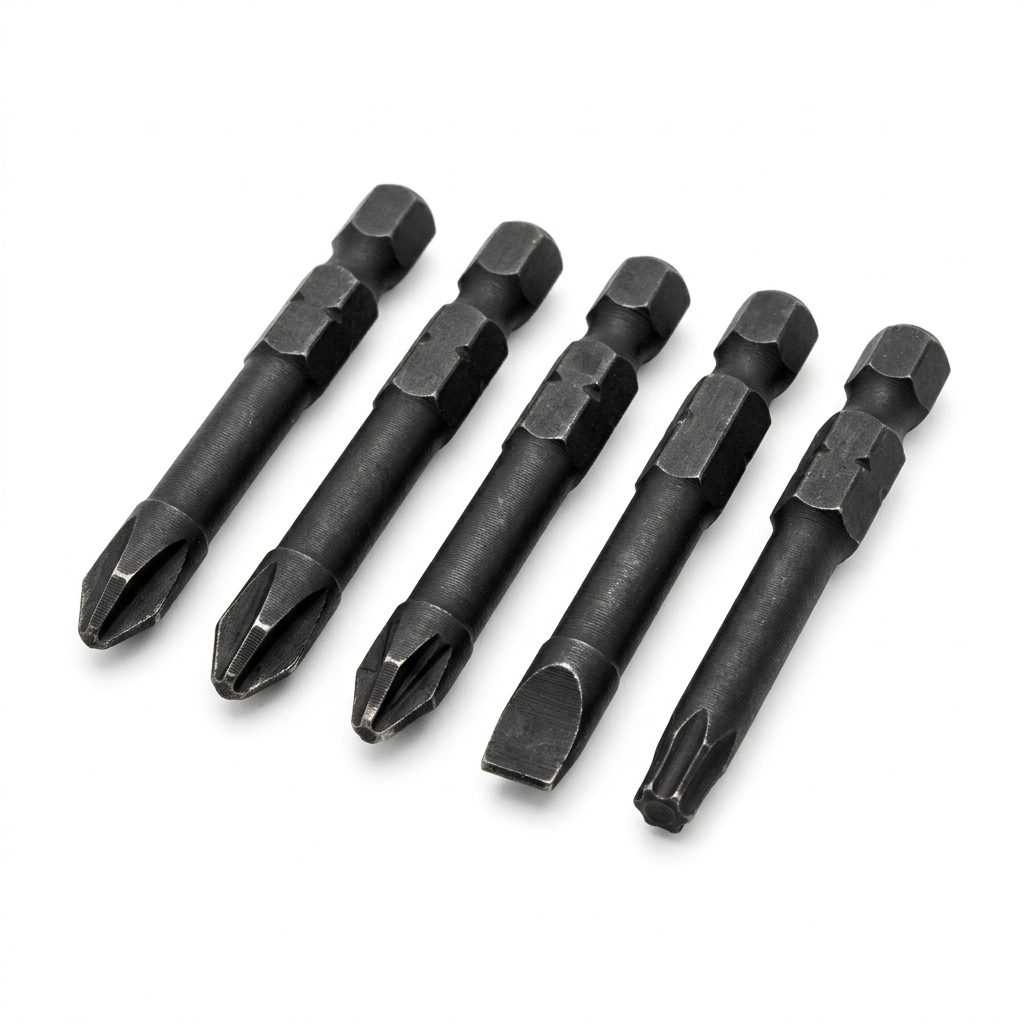
For importers sourcing industrial fastening tools, few decisions carry as much downstream risk as choosing the wrong impact screwdriver bits. These compact components sit at the heart of high-torque assembly operations, and their performance directly affects productivity, product quality, and total cost of ownership for end users. When a batch of inferior bits reaches the market, importers face warranty claims, damaged client relationships, and the burden of managing expensive returns—all of which could have been avoided through a more rigorous pre-purchase evaluation process.
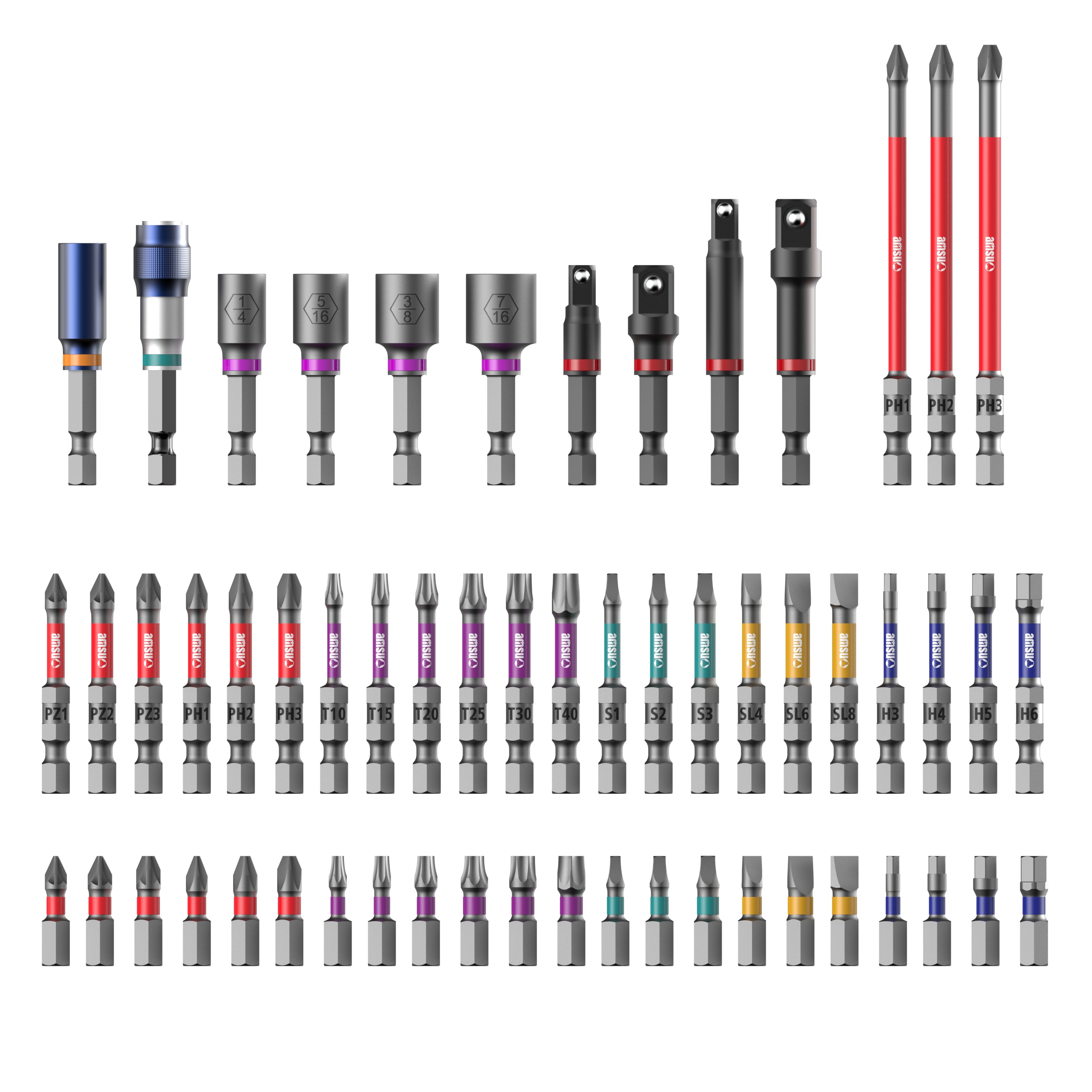
Understanding what separates a reliable supply of impact screwdriver bits from a problematic one requires looking beyond catalog photographs and price sheets. Importers need to examine material quality, dimensional consistency, performance certifications, and supplier capabilities before committing to any purchase order. This guide walks through each critical evaluation dimension so that importers can make confident, well-informed sourcing decisions that protect both their business and their customers.
Steel Grade and Heat Treatment Standards
Why Material Composition Determines Longevity
The steel used in manufacturing impact screwdriver bits is arguably the single most important factor in determining how the product performs under repeated high-torque stress. Impact drivers deliver rapid rotational bursts that create both torsional and axial forces, and bits that are made from inferior steel grades will deform, chip, or snap prematurely under these conditions. Importers should always request material certification documents that confirm the steel alloy specification used in production.
S2 alloy steel is widely recognized as the industry standard for professional-grade impact screwdriver bits, offering a strong balance of hardness and toughness. Some premium products use chrome-vanadium or chrome-molybdenum alloys, each with specific advantages in particular operating environments. Knowing the exact alloy composition allows importers to verify whether the material matches the claimed performance level and whether it complies with the technical requirements of their target market.
When a supplier is unwilling or unable to provide material certificates, that is a significant warning sign. Reputable manufacturers maintain traceability records for their raw materials, and providing such documentation to serious buyers is standard practice in the professional tooling segment.
Heat Treatment Processes and Their Impact on Bit Performance
Even the best steel alloy will underperform if it has not been properly heat-treated. The heat treatment process determines the final hardness distribution throughout the bit, and for impact screwdriver bits, the ideal profile is a hard outer surface combined with a tougher, more resilient core. This dual characteristic allows the bit tip to resist wear while the shaft absorbs torsional shock without fracturing.
Importers should ask suppliers to provide Rockwell hardness test results, ideally showing measurements at both the tip and the shank. A bit that is uniformly too hard will be brittle and prone to snapping, while one that is too soft will deform quickly at the driving tip. The target hardness range for quality impact screwdriver bits typically falls between 58 and 62 HRC at the tip, with a somewhat lower hardness in the core zone.
Requesting sample batches and arranging independent hardness testing before placing a large order is a practical step that many experienced importers use to verify supplier claims. This investment in pre-purchase testing pays for itself many times over when it prevents a shipment of substandard impact screwdriver bits from reaching distribution channels.
Dimensional Accuracy and Tolerance Compliance
The Role of Precise Dimensions in Fit and Function
Impact screwdriver bits must conform to specific dimensional standards to function correctly across the wide range of impact drivers and power tools used globally. If the shank diameter is slightly oversized, the bit will not seat properly in the tool chuck. If the driving tip geometry is even marginally outside tolerance, the bit will cam out of the fastener head under load, damaging both the bit and the fastener while wasting operator time.
The most widely referenced dimensional standard for impact screwdriver bits is ISO 1173, which defines shank tolerances, and ISO 2351, which governs the geometry of various drive tip profiles including Phillips, Pozidriv, Torx, and slotted formats. Importers targeting professional markets in Europe, North America, or Asia should confirm that their supplier produces to these standards and can provide dimensional inspection reports as part of the quality documentation package.
Dimensional consistency is not just about the individual bit—it is about consistency across thousands of units within a batch. A supplier might produce a perfect prototype for approval but then ship production batches with tighter cost controls that result in slightly drifted dimensions. This is why inspection protocols at the production stage, not just at final shipment, are so important for importers to understand and require.
Tip Geometry and Drive Profile Precision
The precision of the driving tip geometry is directly linked to torque transfer efficiency and resistance to cam-out. For impact screwdriver bits used in high-torque applications, the tip must engage the fastener recess fully and evenly so that rotational force is applied without lateral slippage. Even small deviations in the angle, depth, or symmetry of the tip profile can reduce this engagement and accelerate wear on both the bit and the fastener.
Importers should request detailed drawings or CAD specifications from suppliers and compare them against the relevant ISO or DIN standards for each drive profile. Torx and square drive profiles, in particular, have tight geometric tolerances that require precision grinding equipment and consistent quality control to maintain across production runs.
When evaluating sample units of impact screwdriver bits, importers should physically test the fit across multiple fastener sizes and types to confirm that the engagement is snug and consistent. Any tendency to rock, wobble, or slip under light hand pressure is an early indicator of tip geometry issues that will be magnified significantly under impact driver loads.
Coating Technology and Surface Finishing
How Surface Coatings Affect Corrosion Resistance and Grip
Surface coatings on impact screwdriver bits serve multiple functions, from protecting the steel substrate against oxidation to improving the visual presentation of the product on retail displays. For importers, understanding what coating is applied and how it performs in actual use environments is an important part of the product evaluation process.
Black oxide is one of the most common coatings applied to impact screwdriver bits and provides a degree of corrosion resistance along with a professional appearance. However, black oxide alone offers limited protection in humid or chemically aggressive environments. For markets where corrosion resistance is a priority, importers should look for products with titanium nitride coatings, manganese phosphate treatments, or other more robust surface finishing options.
Some manufacturers apply specialized coatings to the driving tip zone that are intended to improve grip within the fastener recess and reduce cam-out tendency. These engineered tip coatings can add measurable value in professional applications, but importers should look for evidence of actual performance testing rather than accepting marketing descriptions at face value. Requesting data from standardized cam-out resistance tests gives a more objective basis for comparison.
Visual Quality and Surface Defect Standards
Beyond functional coatings, the visual quality of impact screwdriver bits matters significantly in consumer-facing markets where presentation influences purchasing decisions. Importers should establish clear visual quality standards before production begins, specifying acceptable levels of surface irregularity, coating coverage uniformity, and marking legibility.
Common surface defects to watch for include pitting, uneven coating buildup, burrs at the tip or shank ends, and inconsistent surface color across a batch. While some of these defects are cosmetic, others can signal problems with the underlying manufacturing process that may affect structural integrity. A bit with visible surface cracks or forging seams, for example, is a product that may fail unpredictably in service.
Building a visual defect checklist and providing it to the supplier as part of the purchase specification is a best practice that reduces disputes and clarifies expectations. Many experienced importers of impact screwdriver bits also conduct pre-shipment inspections using a qualified third-party agency to verify conformance before final payment is released.
Supplier Capability and Quality Management Systems
Evaluating Manufacturing Capacity and Process Control
The quality of impact screwdriver bits is ultimately a reflection of the manufacturing capability and process discipline of the supplier. Importers should not rely solely on sample approval to assess a supplier—they should actively evaluate the production environment, equipment investment, and quality management infrastructure before placing significant orders.
Key indicators of a capable manufacturer include the presence of in-house heat treatment facilities, CNC grinding equipment for tip finishing, and statistical process control practices at critical production stages. Suppliers who outsource heat treatment or rely on manual measurement for dimensional inspection are more likely to produce inconsistent results across large batches of impact screwdriver bits.
Factory audits, whether conducted directly by the importer or through a third-party auditing firm, provide valuable insight into whether a supplier's claimed capabilities match reality. During an audit, inspectors should evaluate machine maintenance records, operator training documentation, calibration logs for measurement equipment, and nonconformance handling procedures.
Certifications and Testing Documentation
Certifications provide a structured framework for evaluating a supplier's commitment to quality management and product safety. ISO 9001 certification indicates that a manufacturer has implemented a documented quality management system and subjects it to regular external audits. While certification alone does not guarantee product quality, it does signal that the supplier operates with a degree of organizational discipline that supports consistent output.
For impact screwdriver bits destined for regulated markets, importers may also need to verify compliance with specific market entry requirements. In the European Union, for example, hand tools and accessories may be subject to CE marking requirements depending on their application context. In other markets, local product safety standards may require specific testing documentation that must be prepared and maintained by the manufacturer.
Importers should request copies of all relevant certificates and test reports as part of their pre-purchase due diligence package. Reviewing these documents carefully, and ideally having them verified by a technical expert, allows importers to assess whether the claimed compliance is genuine and current or whether documents are outdated or scope-limited in ways that may not cover the specific product variant being purchased.
Packaging, Labeling, and Private Label Options
Packaging Standards for Professional and Retail Markets
The packaging of impact screwdriver bits plays an important role in the overall value proposition that importers offer to their distribution partners and end customers. Professional tradespeople and procurement managers assess packaging quality as a proxy for product quality, and poorly packaged goods can undermine sales even when the bits themselves are technically sound.
Importers should evaluate whether the supplier offers packaging options that suit their target market, including individual blister packs, bit sets in blow-molded cases, bulk workshop packs, and display-ready retail packaging. The robustness of the packaging also matters from a logistics perspective—impact screwdriver bits shipped in fragile or poorly designed packaging are more likely to arrive with cosmetic damage that generates customer complaints.
Clear and accurate labeling is equally important. Every package should clearly indicate the drive type, size, length, material specification, and quantity of impact screwdriver bits contained. For regulated markets, additional labeling requirements regarding origin, compliance marks, and safety information may also apply and must be planned for during the sourcing process.
Private Label and Custom Branding Capabilities
Many importers build their business around private label products, sourcing impact screwdriver bits from manufacturers and selling them under their own brand identity. When evaluating a supplier's suitability for private label arrangements, importers should assess the supplier's experience with custom branding, minimum order quantity requirements for custom packaging, and lead times for initial branding setup.
Suppliers who have established private label workflows will typically have templates ready for packaging design customization and will be able to clearly communicate tooling costs, setup fees, and approval sample timelines. This transparency is a positive signal that the supplier understands the needs of importer-customers and has the operational infrastructure to support branded product programs reliably.
Importers should also consider how a supplier handles changes to branding or packaging specifications over time, and whether they maintain adequate stock of branded packaging components to avoid supply disruptions. The flexibility and responsiveness of a supplier on these operational details often predicts how well they will perform as a long-term partner across multiple product categories of impact screwdriver bits and related accessories.
FAQ
What steel grade should I require for professional-grade impact screwdriver bits?
S2 alloy steel is the most widely accepted standard for professional-grade impact screwdriver bits due to its optimal balance of hardness and toughness under high-torque impact loads. Some premium applications may call for chrome-vanadium or chrome-molybdenum alloys. Always request material certificates from your supplier to verify that the stated alloy is actually used in production.
How can I verify that a supplier's dimensional tolerances are consistent across production batches?
The most reliable approach is to require dimension inspection reports for each production batch, specifying that measurements must be taken on a statistically meaningful sample rather than just a handful of units. Pre-shipment inspection through a third-party agency is also highly recommended, as it provides independent verification that the impact screwdriver bits in the actual shipment conform to agreed specifications.
Are certifications like ISO 9001 sufficient to guarantee product quality for impact screwdriver bits?
ISO 9001 certification confirms that a supplier has a documented quality management system in place, but it does not directly certify the performance or material properties of the impact screwdriver bits themselves. It should be treated as one positive indicator among many rather than a standalone guarantee. Always combine certification review with physical sample testing, factory audit findings, and documentation of material and dimensional specifications.
What minimum order quantities should importers expect when sourcing impact screwdriver bits?
Minimum order quantities for impact screwdriver bits vary widely depending on the supplier's scale, production setup, and whether custom packaging or branding is involved. Standard catalog products often have lower minimums, while private label or custom specification orders typically require larger volumes to justify tooling and setup costs. Importers should negotiate MOQ terms clearly before production begins and confirm that the supplier can also support smaller replenishment orders once the initial relationship is established.
Table of Contents
- Steel Grade and Heat Treatment Standards
- Dimensional Accuracy and Tolerance Compliance
- Coating Technology and Surface Finishing
- Supplier Capability and Quality Management Systems
- Packaging, Labeling, and Private Label Options
-
FAQ
- What steel grade should I require for professional-grade impact screwdriver bits?
- How can I verify that a supplier's dimensional tolerances are consistent across production batches?
- Are certifications like ISO 9001 sufficient to guarantee product quality for impact screwdriver bits?
- What minimum order quantities should importers expect when sourcing impact screwdriver bits?