
 EN
EN



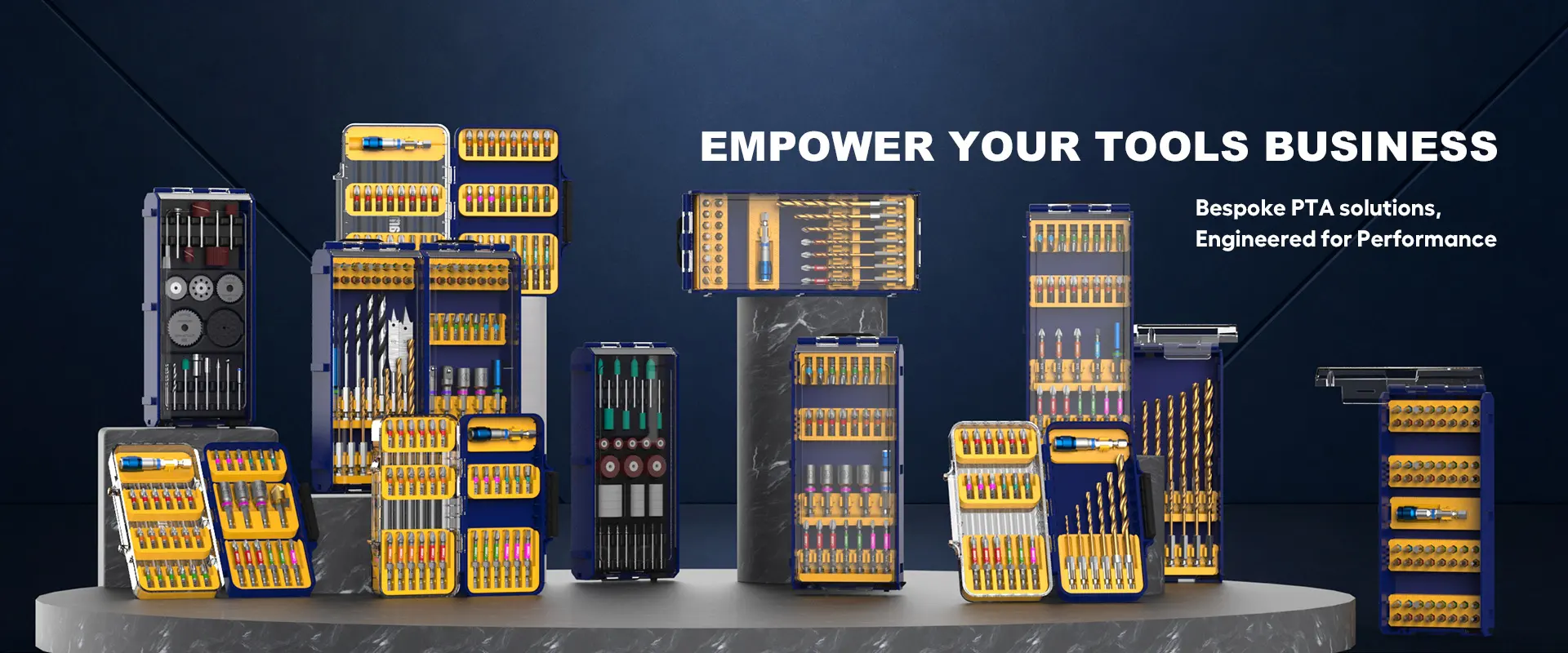
Importers face significant pressure to source reliable power tool accessories that meet both customer expectations and regulatory standards. The quality of these components directly influences end-user satisfaction, safety compliance, and your competitive positioning in the market. Understanding what separates premium offerings from mediocre alternatives is essential for making informed purchasing decisions that protect your business reputation and bottom line.
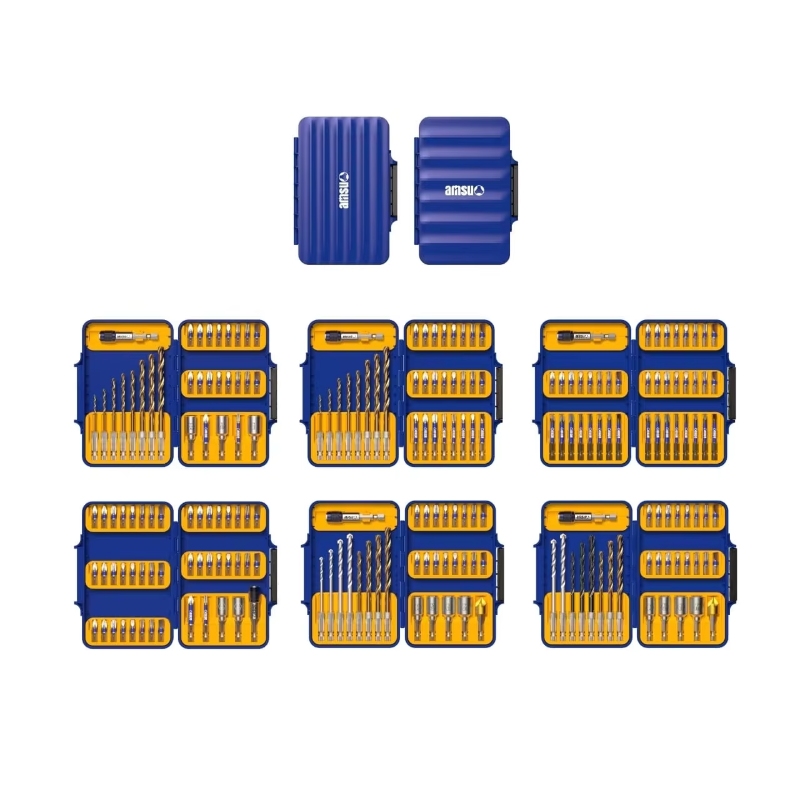
When evaluating power tool accessories suppliers, you must assess multiple dimensions simultaneously: material durability, safety certifications, manufacturing precision, and consistency of quality control. Importers who overlook these factors often encounter costly recalls, customer complaints, and damaged supplier relationships. This guide addresses the key evaluation criteria that distinguish genuinely high-quality power tool accessories from inferior alternatives that create long-term liability.
Critical Material and Construction Standards
Durability and Material Composition
The foundation of quality power tool accessories begins with material selection and manufacturing integrity. Premium cordless drill bits and chucks utilize hardened steel alloys, precision-ground flutes, and advanced coatings that resist wear and maintain cutting performance across thousands of hours of use. When sourcing these components, verify that suppliers employ rigorous metallurgical testing and provide certified material specifications rather than generic descriptions.
Heavy duty tool storage and organization systems must incorporate reinforced construction that withstands repeated loading cycles, temperature fluctuations, and workshop environments. Look for suppliers who use multi-layered composite materials, welded reinforcement points, and corrosion-resistant finishes. Request samples and stress-test them under realistic conditions before committing to large orders. This verification step prevents discovering structural weaknesses only after your customers have received defective products.
Precision Manufacturing and Tolerances
Manufacturers of cordless drill bits and chucks must maintain tight tolerances that ensure proper engagement with power tools and consistent performance. Bits with dimensional inconsistencies cause slippage, incomplete penetration, and potential damage to expensive cordless drills. Request suppliers to provide statistical process control documentation, capability studies, and third-party inspection certifications. These documents demonstrate that their production processes consistently meet specified tolerances rather than allowing drift that accumulates across production runs.
Safety Compliance and Protective Integration
Regulatory Certifications and Standards
Power tool safety equipment and protective gear must comply with international safety standards appropriate to your target markets. This includes impact resistance ratings, chemical resistance specifications, electrical insulation requirements, and ergonomic design validation. Verify that suppliers maintain current certifications from recognized bodies such as ANSI, ISO, EN, or regional equivalents. Request copies of test reports and ongoing compliance documentation to confirm that products continue meeting standards throughout production.
When evaluating power tool accessories intended for hazardous environments, confirm that suppliers conduct regular recertification testing and maintain clear documentation of any product modifications that might affect safety ratings. Some importers discover too late that cosmetic changes or material substitutions inadvertently compromised safety certifications, creating liability exposure for retailers and end-users alike.
Design-Integrated Safety Features
High-quality power tool safety equipment and protective gear incorporates design elements that actively prevent injury rather than merely providing passive protection. This includes ergonomic handle designs that reduce fatigue-related accidents, anti-slip surfaces that maintain secure grip during extended use, and clear hazard warnings positioned where users will see them during operation. Request detailed product specification sheets and request to observe how actual users interact with prototypes before finalizing sourcing agreements.
Supply Chain Reliability and Quality Consistency
Production Audits and Quality Documentation
Consistent quality across multiple shipments requires robust quality control systems and documented verification processes. Conduct factory audits that assess incoming material inspection procedures, production line monitoring, finished goods testing protocols, and corrective action systems. Suppliers of heavy duty tool storage and organization systems should demonstrate that they track batch numbers, maintain control samples, and can quickly identify and isolate products from production runs where defects emerged.
Request access to statistical quality data from recent production runs, including defect rates by category, trend analysis showing whether quality is improving or deteriorating, and root cause documentation for any significant deviations. This transparency indicates supplier maturity and commitment to continuous improvement rather than complacency or hidden quality problems.
Supply Chain Transparency and Traceability
Reliable suppliers of power tool accessories maintain detailed records of material sourcing, production dates, component suppliers, and distribution channels. This traceability enables rapid response if safety issues emerge, allows targeted recalls affecting only specific production batches, and demonstrates accountability throughout the supply chain. Verify that suppliers use batch tracking systems, maintain material certifications for all incoming components, and can provide complete documentation chains for any product you source.
FAQ
What specific certifications should importers verify for power tool safety equipment and protective gear?
Importers should verify certifications appropriate to their target markets, including ANSI standards for personal protective equipment, ISO certifications for safety management systems, and regional certifications such as EN standards for European markets or CSA/UL standards for North American markets. Request copies of current test reports and ongoing compliance documentation to confirm active status rather than assuming historical certifications remain valid.
How can importers verify that cordless drill bits and chucks meet required precision tolerances?
Request suppliers to provide statistical process control documentation, dimensional measurement reports from third-party inspection services, and capability studies demonstrating that production processes consistently meet specified tolerances. Request sample units from different production batches and measure them independently using precision gauges to verify compliance rather than relying solely on supplier claims.
What warning signs indicate that heavy duty tool storage and organization systems may have quality problems?
Warning signs include vague material specifications, inability to provide test reports or certifications, reluctance to permit factory audits, inconsistent product appearance across shipments, and difficulty obtaining replacement parts or design modifications. Quality suppliers welcome verification questions and readily provide documentation demonstrating their manufacturing excellence and commitment to meeting customer requirements.
Table of Contents
- Critical Material and Construction Standards
- Safety Compliance and Protective Integration
- Supply Chain Reliability and Quality Consistency
-
FAQ
- What specific certifications should importers verify for power tool safety equipment and protective gear?
- How can importers verify that cordless drill bits and chucks meet required precision tolerances?
- What warning signs indicate that heavy duty tool storage and organization systems may have quality problems?