 EN



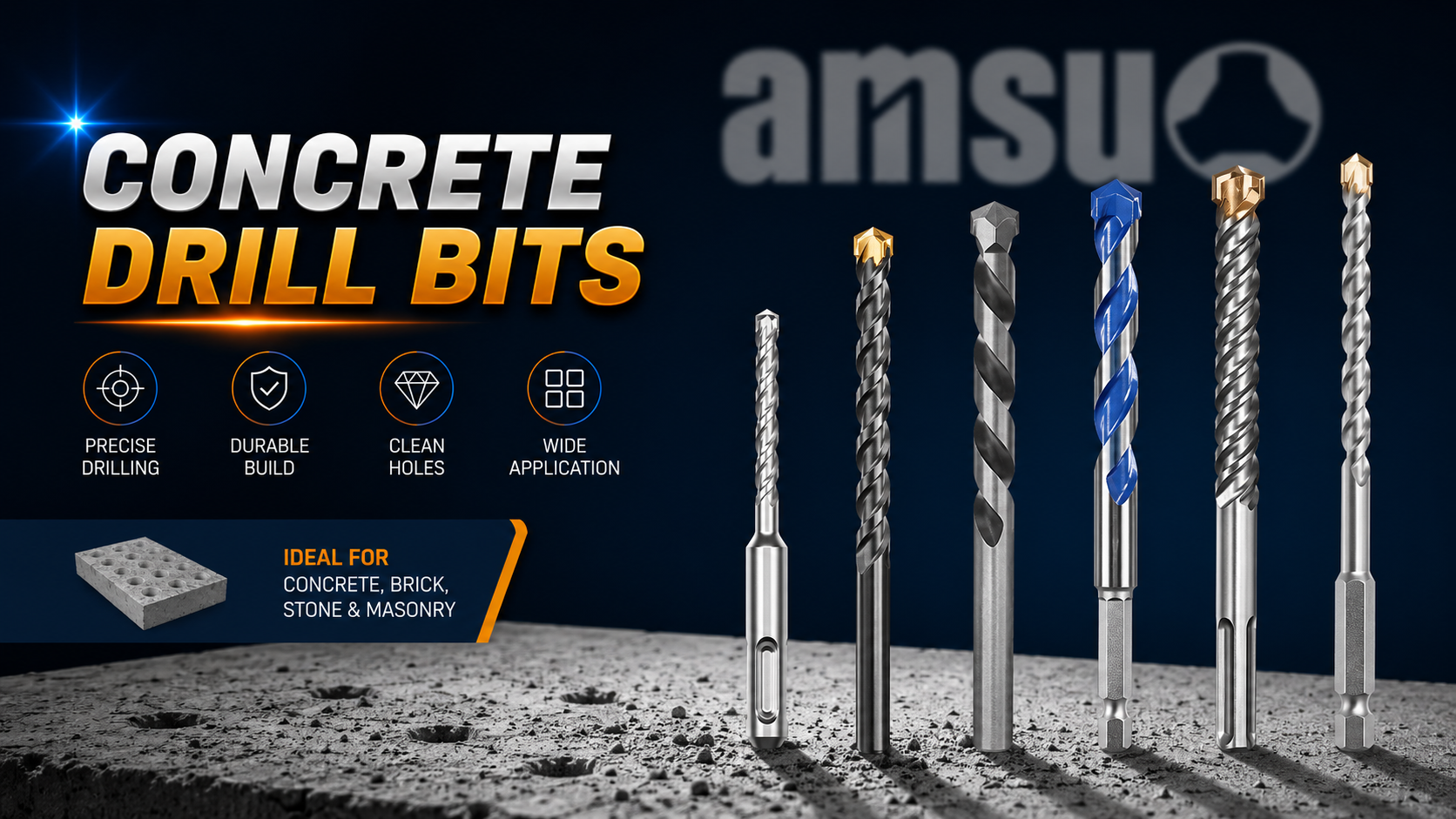
Precision drilling applications demand more than just any rotating tool—they require a drill bit engineered to exact specifications and maintained to peak performance standards. When manufacturers, contractors, and precision engineers tackle critical drilling tasks, the quality of their drill bit directly determines whether they achieve tight tolerances, minimize rework, or face costly production delays. Understanding why drill bit quality matters is essential for anyone managing operations where accuracy cannot be compromised.
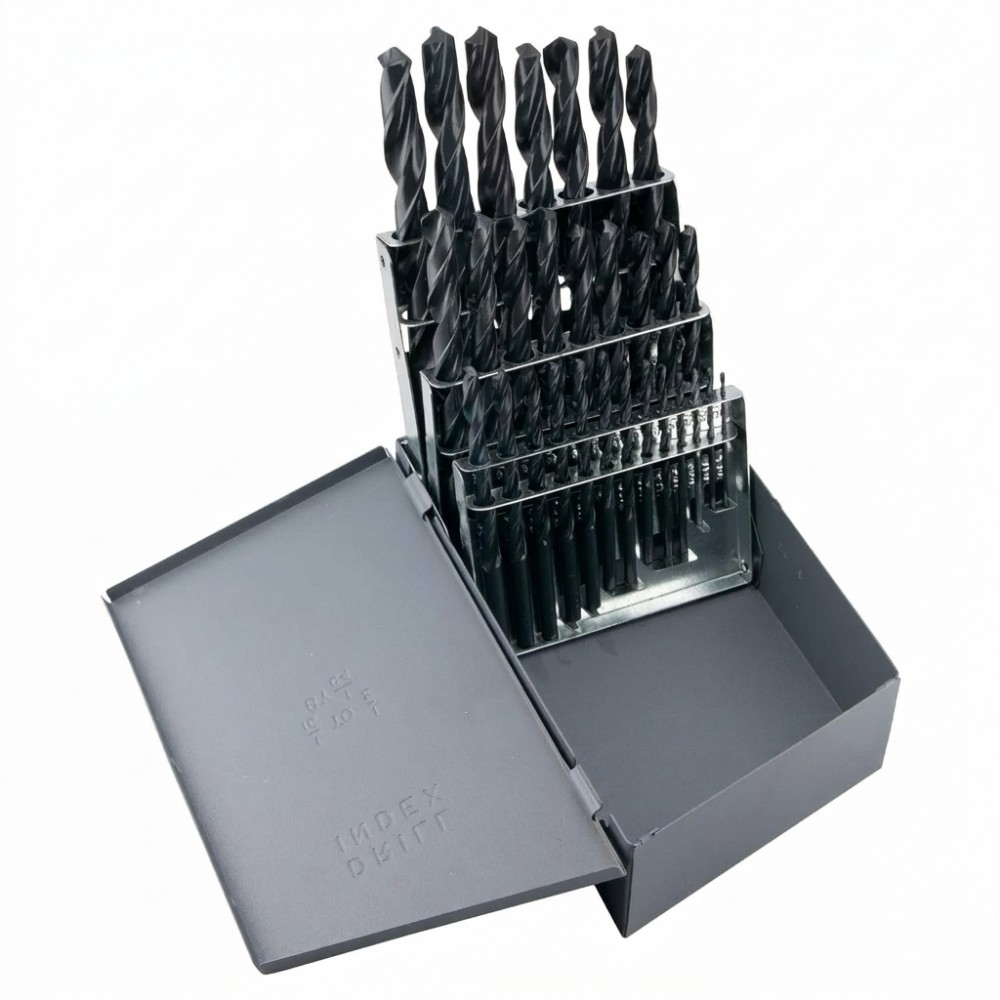
A premium drill bit reduces dimensional drift, extends tool life, and maintains hole integrity across production runs. Inferior drill bits generate heat buildup, chattering, and premature dulling, all of which compromise hole quality and increase operator frustration. This article explores the critical factors that determine drill bit performance, the relationship between material composition and cutting efficiency, and how proper maintenance preserves drilling precision over time.
The Impact of Drill Bit Quality on Precision Results
How Quality Directly Affects Accuracy
Precision drilling depends on the geometric consistency and material integrity of the drill bit. A high-quality drill bit maintains its dimensional profile under cutting stress, ensuring holes remain true to specification. When a drill bit begins to wear or is manufactured to loose tolerances, the hole diameter and straightness deteriorate, forcing rework or component rejection. This impact compounds in high-volume production, where even minor variations cascade into significant scrap and rework costs. Quality drill bits hold their edge longer, reduce chatter-induced deflection, and deliver predictable results across repeated drilling cycles.
Production Efficiency and Cost Impact
Superior drill bit quality translates directly to faster cycle times and reduced downtime. Tools that dull quickly require frequent replacement, interrupting workflow and increasing labor costs. High-grade drill bits with appropriate coatings and materials resist wear, allowing manufacturers to maintain faster feed rates without sacrificing precision. When drilling operations produce scrap or require rework due to poor hole quality, the true cost extends beyond the drill bit itself—it includes labor, material loss, and production delays. Investing in quality drill bits reduces these hidden costs substantially, improving overall equipment effectiveness.
Understanding Drill Bit Sizes and Types
Selecting the Right Drill Bit Sizes and Types for Application
Drill bit sizes and types vary widely based on material being drilled, depth of hole, and precision requirements. Jobber-length drill bits suit general-purpose drilling, while extended-length variants handle deeper holes with less deflection. Specialty types include step drills, brad-point bits for woodworking, and spade bits for larger diameter applications. Understanding the relationship between bit geometry, flute design, and application requirements ensures you select the correct tool. When drill bit sizes and types are mismatched to the task, premature wear and inaccuracy become inevitable, undermining all other quality measures.
Geometry and Design Considerations
The point angle, helix angle, and flute geometry of a drill bit influence how it penetrates material and evacuates chips. A 118-degree point suits general-purpose steel drilling, while steeper angles work better for softer metals or plastics. The flute design affects chip removal efficiency—proper design prevents chip buildup that causes heat and binding. When selecting drill bit sizes and types, these geometric factors determine whether the tool cuts cleanly or generates excessive heat and stress. Quality manufacturers maintain tight tolerances on these angles, ensuring consistent performance across all drill bits in a set.
The Role of Drill Bit Materials and Coatings
High-Speed Steel Versus Carbide Performance
Drill bit materials and coatings define the temperature resistance, hardness, and cutting efficiency of the tool. High-speed steel (HSS) drill bits remain popular for general-purpose work due to their toughness and lower cost. Carbide drill bits maintain hardness at higher temperatures, extending tool life and supporting faster speeds, though they require careful handling to prevent chipping. The choice between materials depends on production volume, material being drilled, and desired tool life. Lower-quality drill bit materials and coatings fail under thermal stress, while premium options maintain hardness and edge retention through demanding applications.
Coating Technology and Longevity
Modern drill bit materials and coatings often include titanium nitride (TiN), titanium aluminum nitride (AlTiN), or other advanced surface treatments. These coatings reduce friction, lower cutting temperature, and extend tool life significantly. A quality coating adheres uniformly to the substrate without cracking or delaminating under stress. Inferior coatings flake off quickly, exposing the base material to accelerated wear. When evaluating drill bit materials and coatings, inspect both the composition and the consistency of application—uniform, intact coatings indicate manufacturing rigor and predict superior performance in production.
Drill Bit Sharpening and Maintenance Practices
Proper Sharpening Techniques
Drill bit sharpening and maintenance directly extend tool life and preserve precision. A properly sharpened drill bit maintains correct flute angles, lip clearance, and point geometry. Improper sharpening introduces asymmetry, causing the bit to wander off-center and creating oversized, tapered holes. Professional sharpening equipment ensures consistency, while hand sharpening risks introducing variables that reduce precision. Regular drill bit sharpening and maintenance schedules prevent tools from becoming excessively dull before reconditioning, which would otherwise accelerate wear on machine spindles and fixtures.
Storage, Handling, and Preventive Care
Drill bit sharpening and maintenance extend beyond the grinding wheel—proper storage and handling preserve tool condition between uses. Store bits in organized cases or racks that prevent collision and edge damage. Handle bits carefully to avoid dropping or striking cutting edges. Before use, inspect bits for visible damage, rust, or coating deterioration. Regular cleaning removes chips and coolant residue that accelerate corrosion. A systematic drill bit sharpening and maintenance program catches wear early, recovers tool life efficiently, and reduces unplanned downtime. Operators trained in proper techniques treat drill bits as valuable assets rather than disposables, maximizing return on investment.
FAQ
Why does drill bit quality matter more for precision applications than general-purpose drilling?
Precision applications tolerate minimal dimensional variation, so every aspect of drill bit performance—edge sharpness, geometric consistency, and thermal stability—directly impacts hole quality and component fit. A general-purpose hole might accept 0.005-inch variation, while precision work might allow only 0.001 inch, making tool quality the critical differentiator between success and rework.
How do drill bit materials and coatings improve cutting performance?
Advanced drill bit materials and coatings reduce friction, allowing faster speeds and deeper cuts while maintaining edge hardness under heat. Coatings like TiN and AlTiN create a barrier that prevents adhesion of cut material to the tool, reducing heat generation and extending the interval between sharpening cycles.
What is the best approach to drill bit sharpening and maintenance?
Establish a preventive drill bit sharpening and maintenance schedule based on production volume and material type. Use professional equipment for sharpening to maintain precise angles, store tools properly to prevent damage, and train operators on inspection techniques to catch wear early, maximizing tool life and consistency.