 EN



Ordering drill bits in bulk represents a significant investment for construction companies, manufacturing facilities, and maintenance departments. Before committing to a large purchase, buyers must carefully evaluate multiple factors that directly impact project success, operational efficiency, and overall cost-effectiveness. Understanding what to assess during the selection process ensures that your bulk order meets actual job requirements and delivers lasting value.
A comprehensive evaluation framework protects your investment and ensures operational readiness. This guide walks you through the critical considerations that distinguish informed purchasing decisions from costly mistakes. From material composition to performance specifications, each factor influences whether your bulk drill bit order will perform reliably across your intended applications.
Understanding Application Requirements and Material Compatibility
Matching Drill Bit Types to Your Workload
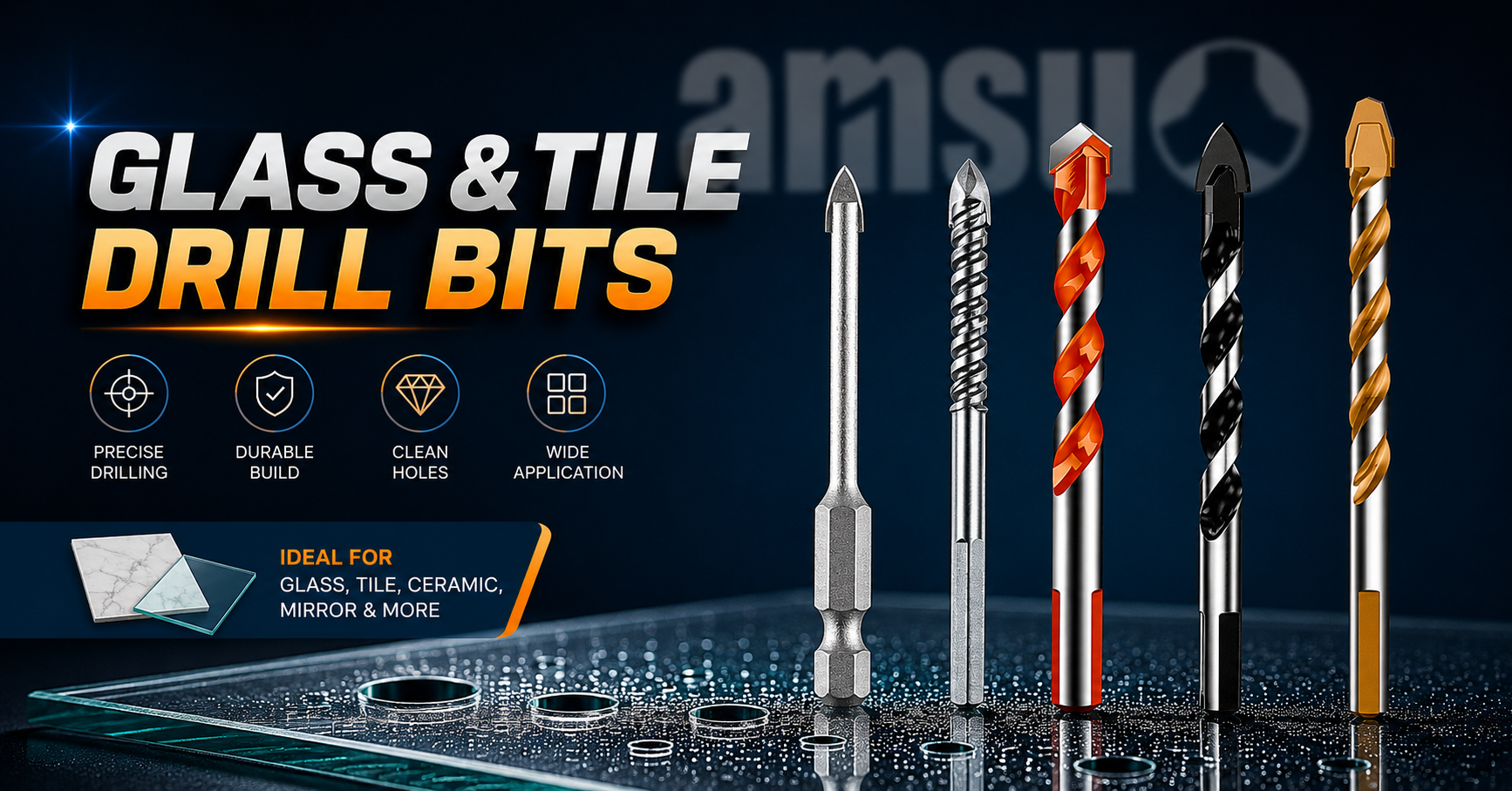
The first step in any bulk purchase involves identifying the specific materials and surfaces your team will drill into regularly. Different job sites demand different tool specifications. Masonry work requires completely different specifications than metal fabrication, and this distinction fundamentally shapes your purchasing strategy. Understanding the difference between masonry drill bit vs metal drill bits helps you avoid ordering wrong products for your actual operations.
Masonry drill bit vs metal drill bits represents one of the most critical purchasing distinctions. Masonry-rated drill bits feature tungsten carbide tips designed to grip and break concrete, brick, and stone without deflection. Metal drilling requires different geometry, flute design, and point angles. If your team works across multiple material types, your bulk order must reflect this reality through diversified inventory rather than assuming one universal product will suffice.
Evaluating Material Composition and Durability
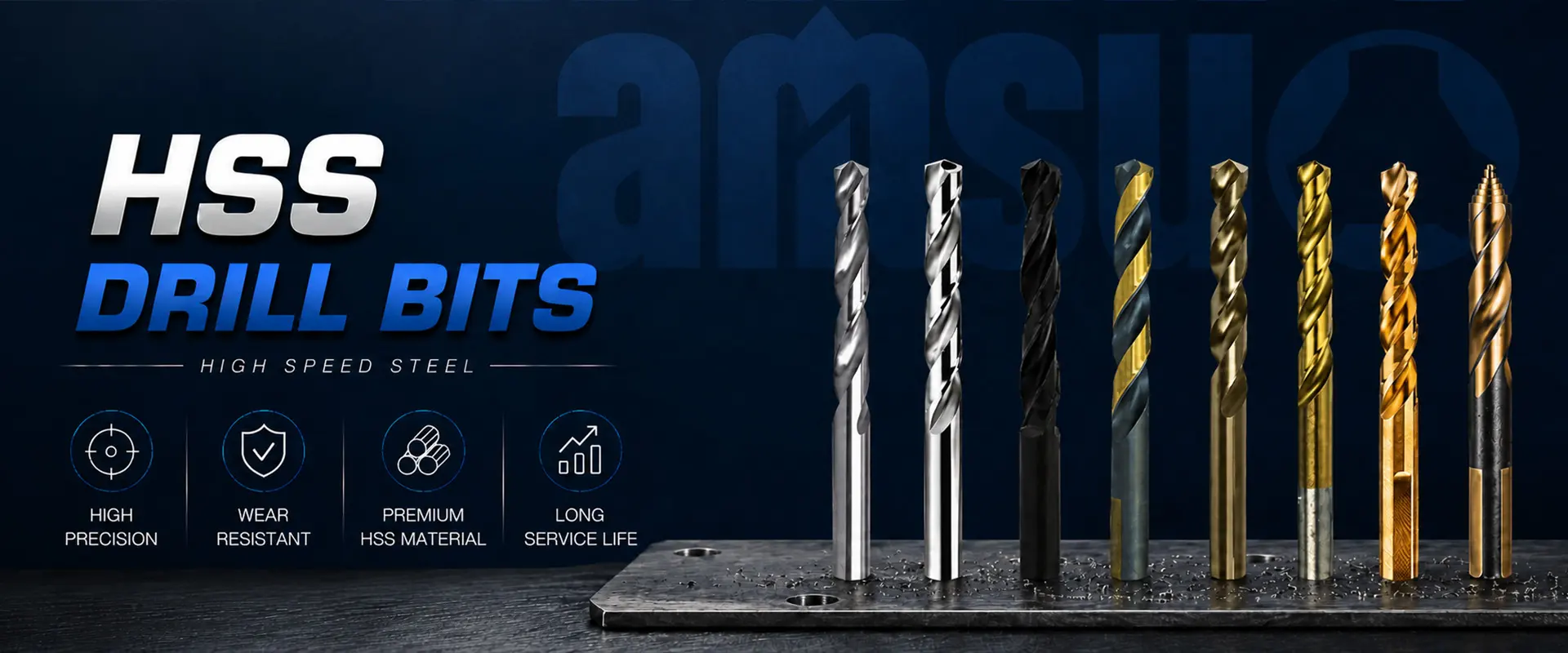
The material construction of your drill bits directly determines tool lifespan and replacement frequency. High-speed steel (HSS) drill bits offer affordability and reasonable performance for general applications. Cobalt-enhanced formulations provide superior heat resistance and extended life in demanding industrial environments. Titanium-coated variations deliver additional durability for repetitive production work. Your bulk order composition should match the frequency of use and intensity of applications your operations will experience.
Quality drill bits from reputable manufacturers resist wear, maintain sharp cutting edges longer, and reduce the frequency of tool changes during shifts. When ordering in bulk, investing in higher-grade materials often reduces total cost of ownership through fewer replacement cycles and improved worker productivity. Lower-cost alternatives may require more frequent changes, creating hidden operational costs that offset initial savings.
Assessing Size Specifications and Drill Bit Inventory Gaps
Using a Drill Bit Sizes Chart for Comprehensive Coverage
Before finalizing your bulk order, consult a drill bit sizes chart to identify which diameters your teams actually need. A comprehensive drill bit sizes chart reveals the full spectrum of available options and helps you avoid ordering redundant quantities while missing critical sizes. Standard fractional sizes, metric measurements, and letter-designated diameters all serve specific purposes within industrial workflows.
Your bulk order should align with a detailed inventory audit rather than generic assumptions. Reference your drill bit sizes chart against actual project documentation, equipment specifications, and historical usage data. Many organizations discover they consistently order certain diameters while accumulating surplus of sizes rarely used. This analysis prevents waste and ensures that your investment targets sizes that genuinely support your operational pipeline. A strategic drill bit sizes chart review typically reveals 40 to 60 percent of your organization's common diameter requirements.
Balancing Depth Capabilities and Length Variety
Drill bit length significantly impacts functionality across different applications. Standard-length bits suffice for many tasks, while deep-hole drilling, countersinking, and pilot-hole work demand specialized lengths. Your bulk order should include a balanced mix that reflects the depth requirements documented in your historical project data. Ordering exclusively one length creates bottlenecks when tasks require different specifications.
Consider storage logistics and frequency of use when determining length diversity. Buying slightly more of your most-used lengths while maintaining minimal inventory of specialty lengths creates efficiency without excessive warehousing burden. A typical bulk order benefits from 60 to 70 percent focus on standard lengths, with remaining quantity allocated to longer and shorter specialty options.
Evaluating Maintenance, Sharpening, and Quality Assurance Factors
Understanding Drill Bit Sharpening Techniques and Tool Life
The maintenance plan you implement after purchase significantly influences the true value of your bulk investment. Drill bit sharpening techniques determine how long tools remain productive before reaching end-of-life replacement. Professional sharpening services extend tool lifespan substantially compared to replacing dull bits immediately. Before ordering bulk quantities, assess whether your operation includes sharpening capability or if you'll rely on external service providers.
Drill bit sharpening techniques vary based on material type and cutting-edge geometry. High-speed steel bits generally tolerate hand sharpening with appropriate equipment, while cobalt and specialized coatings demand precision equipment to maintain correct angles. Understanding these maintenance requirements before purchasing bulk quantities ensures your team can properly sustain tools throughout their operational lifecycle. Poorly maintained bits deteriorate rapidly, negating the value of a bulk purchase investment.
Verifying Quality Standards and Supplier Credentials
Reputable manufacturers provide certification documentation, performance specifications, and quality assurance guarantees that justify bulk purchase confidence. Examine whether supplier documentation includes dimensional tolerances, material composition verification, and heat-treatment certifications. These details indicate professional manufacturing standards rather than economy-grade production.
Before finalizing bulk orders, request sample quantities from potential suppliers and test performance against your standard applications. This validation step prevents large-scale disappointment if product quality falls short of requirements. Supplier reputation, warranty terms, and return policies provide additional protection for bulk investments. Quality assurance documentation represents your insurance policy against receiving substandard products at scale.
FAQ
What quantity should I order when buying drill bits in bulk?
Bulk purchase quantities depend on your organization's usage rate, storage capacity, and operational complexity. Most buyers establish 6 to 12 months of projected consumption as a reasonable bulk order volume. Historical usage data from past six months provides reliable forecasting for standard sizes. For specialty or application-specific drill bits, conservative quantities prevent excess inventory while ensuring availability for scheduled projects.
How do I determine if masonry drill bit vs metal options are both necessary for my bulk order?
Review your project pipeline and team assignments to identify which material types receive regular work. If your crews consistently work across both concrete and metal applications, your bulk order should include appropriate ratios of each type. Audit past purchase records to see which products your team actually consumed, then weight your bulk order accordingly. Splitting investment between both options ensures operational readiness across diverse applications.
Should I invest in premium-grade drill bits or economy options for bulk orders?
Premium-grade options often deliver superior total cost of ownership through extended tool life, reduced replacement frequency, and improved productivity. Economy options may appear cheaper initially but require more frequent replacement and generate hidden costs through increased downtime. Compare lifecycle costs rather than unit price. For high-frequency applications, premium qualities typically justify higher bulk order expenses through reduced operational disruption and fewer supply-chain interruptions.