 EN



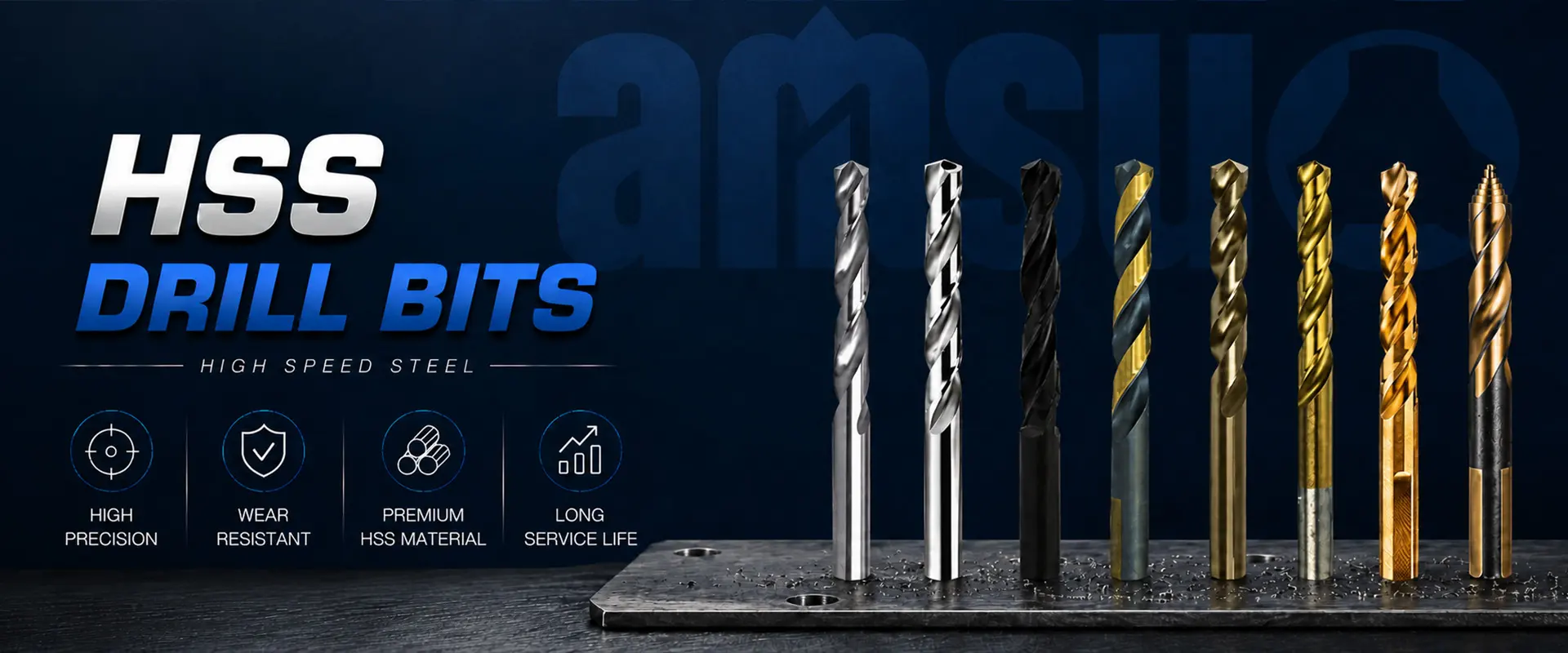
Selecting the right drill bit is fundamental to achieving precision and efficiency in metalworking and fabrication work. The choice between different types of drill bits directly impacts your project outcomes, tool longevity, and overall production costs. Whether you are drilling through steel, aluminum, or composite materials, understanding which drill bit suits your specific application prevents wasted time, broken tools, and poor surface finishes. This comprehensive guide explores the essential characteristics of modern drill bits and helps you make informed decisions for your metalworking operations.
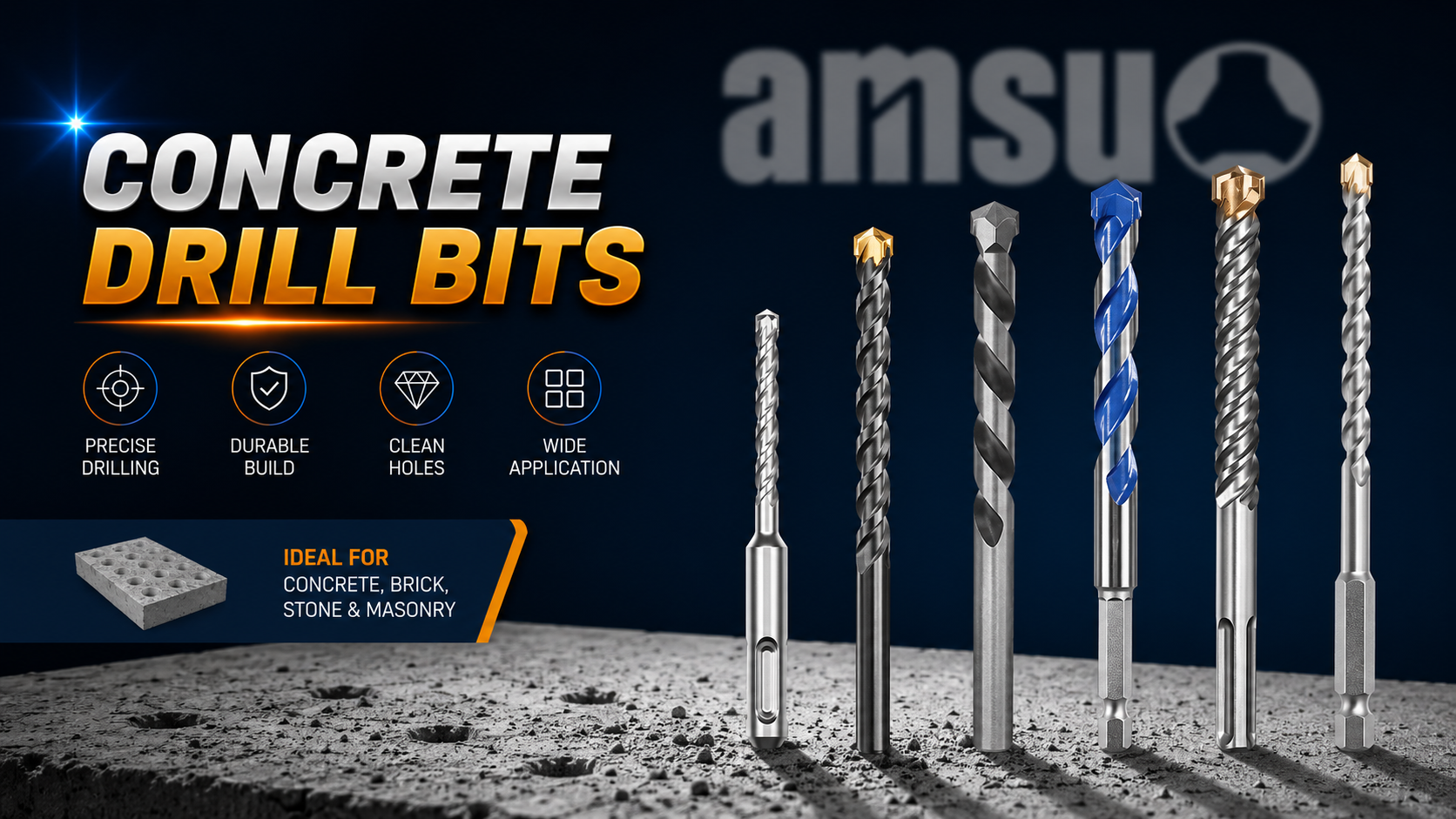
Metalworking demands precision tools that can withstand high pressures, extreme temperatures, and repetitive stress. A quality drill bit combines material science, geometric design, and surface treatment to deliver clean holes with minimal deflection. The relationship between drill bit material and coating, combined with proper drill bit sizes chart reference, determines whether your fabrication work meets tolerances and maintains profitability. Industrial manufacturers rely on systematic knowledge of types of drill bits to optimize their tool selection and reduce cycle times.
Understanding Drill Bit Material and Coating Systems
High-Speed Steel and Modern Coatings
High-speed steel remains the workhorse material for general-purpose drilling in metalworking shops. This steel alloy contains tungsten, molybdenum, vanadium, and chromium, which enable sustained hardness at elevated temperatures. When you apply advanced coatings like titanium nitride or titanium aluminum nitride to high-speed steel drill bits, you extend tool life by two to four times compared to uncoated versions. The coating reduces friction at the cutting edge, lowers heat generation, and provides wear resistance that proves especially valuable when drilling stainless steel or cast iron. Understanding drill bit material and coating compatibility ensures you invest in tools that deliver consistent performance across your metalworking portfolio.
Carbide Drills for High-Volume Production
Carbide drill bits represent the premium option for high-volume fabrication environments. Made from tungsten carbide particles bonded with cobalt, these tools maintain hardness at temperatures that would soften high-speed steel. When you examine drill bit sizes chart specifications alongside production volumes, carbide becomes economically justified for larger runs. The higher initial cost is offset by dramatically longer tool life, faster feed rates, and superior surface finish quality. Carbide drill bits with specialized coatings like CrN or AlTiN handle difficult materials such as titanium and composites with minimal thermal stress, making them indispensable for advanced fabrication work.
Selecting the Right Types of Drill Bits for Your Application
Twist Drills and Specialized Designs
The standard twist drill remains the most versatile among types of drill bits used in metalworking. Its helical flute design effectively evacuates chips while maintaining concentricity. However, specialized variations exist for specific scenarios. Brad-point drills excel at precise positioning and clean exits, while spade drills handle larger diameters efficiently. Gun drills penetrate deep holes with minimal deflection, and core drills reduce material removal by drilling hollow centers. Your choice from these types of drill bits depends on hole diameter, depth-to-diameter ratio, material hardness, and desired surface finish. Consulting detailed drill bit sizes chart resources helps you match drill design to your exact fabrication requirements.
Coolant-Fed and Solid Carbide Options
Coolant-fed drill bits introduce cutting fluid directly to the drill point, dramatically improving performance in demanding applications. This delivery system removes chips more effectively and reduces heat, extending tool life significantly. Solid carbide drills deliver superior rigidity compared to twist drills, particularly valuable when working with tight tolerances or through-drilling operations. When you evaluate drill bit material and coating in the context of your coolant system, you can optimize both tool performance and chip evacuation. Many modern fabrication shops invest in these advanced drill bit types to maintain competitive cycle times while achieving dimensional accuracy that justifies the premium tool cost.
Optimizing Drill Bit Sizes Chart Usage and Selection Strategy
Interpreting Drill Bit Sizes Chart Data
A comprehensive drill bit sizes chart provides essential reference data including diameter, flute length, overall length, and recommended feed rates for various materials. Metric and fractional sizing systems coexist in modern fabrication, making size chart familiarity critical for reducing setup errors. Many charts now include speed recommendations for different materials and drill bit types, helping operators select optimal RPM based on whether they are using high-speed steel or carbide. When interpreting drill bit sizes chart specifications, pay attention to decimal equivalents for fractional sizes, as precision matters when working with close-tolerance holes. Cross-referencing your required hole diameter with the chart ensures you select the correct drill bit dimensions for both tool holder compatibility and hole specifications.
Material-Specific Selection Criteria
Different metals respond differently to drilling, making material-specific selection essential for metalworking success. Aluminum requires types of drill bits with shallow flute designs and sharp edges to prevent buildup, typically featuring split-point geometry. Steel drilling benefits from high drill bit material and coating combinations like cobalt or carbide with titanium coatings that handle the shear stress and heat generation. Stainless steel demands specialized drill bit types because its work-hardening tendency can quickly dull conventional tools. Cast iron drilling requires chip-breaking geometries to control fragmentation. By consulting material-specific guidance within drill bit sizes chart documentation and selecting appropriate drill bit material and coating combinations, you dramatically reduce tool breakage and improve consistency across your fabrication operations.
FAQ
What makes drill bit material and coating important in metalworking?
Drill bit material and coating directly determine how long your tools last, how fast you can drill, and what surface finish you achieve. High-quality coatings reduce friction and heat generation, allowing higher speeds and longer tool life. Better materials like carbide or cobalt-enhanced high-speed steel handle demanding applications like stainless steel drilling without breaking or wearing excessively, reducing your overall tooling costs.
How do I use a drill bit sizes chart effectively?
A drill bit sizes chart provides diameter, length, and speed recommendations for different materials. Match your required hole diameter to the chart, select the correct decimal or metric equivalent, and note the recommended RPM based on your material and whether you are using high-speed steel or carbide drill bit types. This reference prevents setup errors and ensures you are using optimal speeds for your specific application.
Which types of drill bits work best for stainless steel?
Stainless steel requires specially designed types of drill bits with split-point geometry, reduced web thickness, and superior drill bit material and coating systems. Cobalt drills or high-speed steel drills with titanium nitride coatings handle stainless steel's work-hardening characteristics effectively. Many fabricators prefer solid carbide drill bit types for stainless applications because they maintain sharpness and resist built-up edge formation better than conventional materials.