 EN



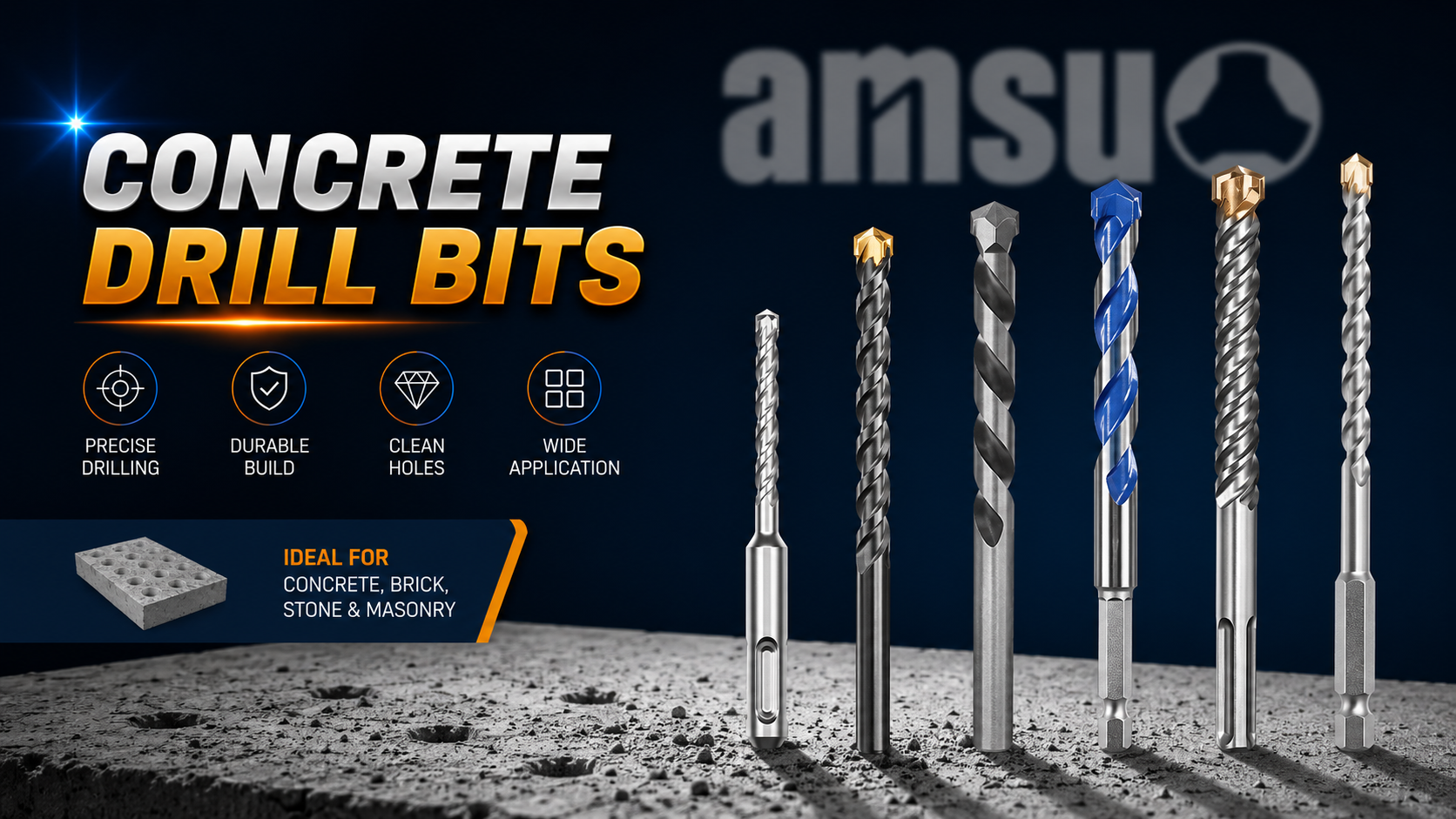
A quality drill bit is the foundation of precision machining and production work in demanding industries. Whether you operate in aerospace, automotive, oil and gas, or heavy manufacturing, the performance of your drill bit directly impacts cycle time, tool life, and final product quality. Understanding what distinguishes a high-quality drill bit from standard alternatives enables maintenance teams and procurement managers to make informed decisions that reduce downtime and improve profitability.
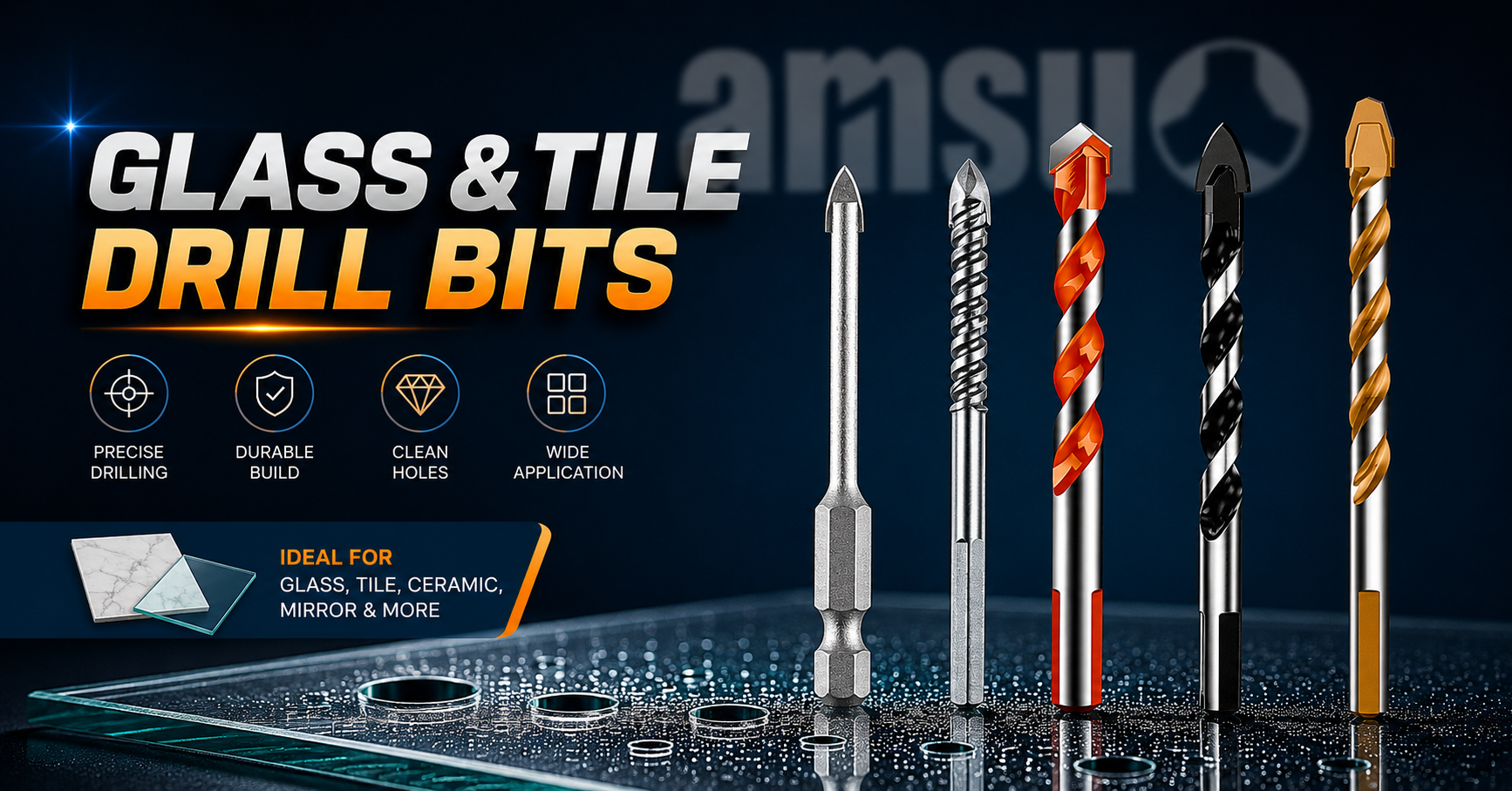
The selection of an appropriate drill bit involves multiple technical considerations beyond simple diameter specifications. Modern industrial drilling demands tools engineered for sustained performance under high-speed, high-heat conditions while maintaining dimensional accuracy. This article explores the critical factors that define superior drill bit performance, including material composition, coating technology, geometric precision, and ongoing maintenance protocols essential for demanding industry environments.
Drill Bit Sizes and Types for Industrial Applications
Understanding Drill Bit Sizes and Types in Demanding Work
Drill bit sizes and types vary widely across industrial applications, each optimized for specific material hardness, hole depth, and production volume requirements. Fractional sizes remain standard in many North American operations, while metric sizes dominate European and Asian facilities. Beyond diameter, the shank style—whether jobber length, stubby, or extended—directly influences rigidity and vibration control during deep-hole drilling operations. High-quality drill bit options include spiral-flute designs for general machining, brad-point bits for precision starting, and step-drill configurations for multi-diameter holes in a single pass.
Choosing Correct Drill Bit Sizes and Types
Selecting appropriate drill bit sizes and types requires understanding your specific application parameters: material composition, spindle speed capability, and depth-to-diameter ratio. For demanding industries, tungsten carbide and cobalt-infused high-speed steel outperform standard HSS across high-temperature environments and abrasive materials. Twist geometry, flute count, and cutting angle all influence chip evacuation and heat dissipation. Aerospace shops demanding tight tolerances and repeatability prioritize premium drill bit lines engineered with tighter runout specifications and balanced flute designs that minimize deflection and improve hole circularity.
Drill Bit Material and Coating Impact on Performance
Superior Drill Bit Material and Coating Systems
The base material of a drill bit determines its heat resistance, toughness, and cutting speed capability. High-speed steel (HSS) remains cost-effective for general work, while cobalt-alloyed HSS delivers enhanced hardness for extended tool life in difficult materials. Tungsten carbide offers superior speed capability and longevity but requires careful handling to prevent chipping. Premium drill bit material selections also incorporate grain refinement and metallurgical processing that reduce brittleness and improve edge retention during interrupted cuts common in production environments.
Advanced Drill Bit Material and Coating Technologies
Coating technologies dramatically extend drill bit performance and differentiate premium products from commodity alternatives. Titanium nitride (TiN) coatings provide moderate hardness improvement suitable for general machining. Titanium aluminum nitride (TiAlN) offers superior oxidation resistance for high-speed operations exceeding 500 surface feet per minute. Nitrided surfaces penetrate the bit substrate, creating wear-resistant layers that survive thousands of holes before requiring drill bit sharpening and maintenance. Advanced multi-layer coatings on premium drill bits can triple or quadruple tool life compared to uncoated alternatives, significantly reducing per-hole production costs in high-volume operations.
Drill Bit Sharpening and Maintenance Essentials
Proper Drill Bit Sharpening and Maintenance Protocols
Maintaining peak performance requires systematic drill bit sharpening and maintenance routines that preserve cutting geometry and coating integrity. Dull bits generate excessive heat, require higher feedrates, and produce poor hole quality—telltale signs that drill bit sharpening and maintenance is due. Many facilities operate multiple sets on rotation, allowing worn bits to cool while a fresh set enters production. Specialized sharpening equipment designed for drill bit sharpening and maintenance ensures proper rake angle, clearance angle, and margin dimensions that match the bit's original engineering specifications.
Cost-Benefit Analysis of Drill Bit Sharpening and Maintenance
Strategic drill bit sharpening and maintenance extends tool life by 30–60 percent in demanding industries where tool costs are substantial. Premium bits justify professional restoration because their superior metallurgy withstands multiple sharpening cycles without degradation. Conversely, commodity bits often perform poorly after sharpening, making replacement more economical. Documentation systems tracking drill bit sharpening and maintenance cycles enable predictive tool management, reducing unexpected downtime. Operators in automotive and aerospace sectors routinely implement tool-life management software that triggers drill bit sharpening and maintenance alerts based on hole count or production time, optimizing changeover timing.
FAQ
What material performs best for drilling stainless steel and cast iron?
Cobalt-alloyed high-speed steel or tungsten carbide delivers superior performance on stainless steel and cast iron. Stainless steel work-hardens, requiring sharp cutting edges and cool-running geometry; cobalt resists heat buildup while carbide enables higher spindle speeds, reducing cycle time. Both materials maintain cutting ability through extended runs against abrasive materials common in casting applications. Coated variants further extend tool life in these challenging materials.
How often should drill bits be replaced versus sharpened?
Premium drill bit investments justify professional sharpening every 2,000–5,000 holes depending on material and machine rigidity. Commodity bits typically reach the end of useful life after 500–1,000 holes and become uneconomical to restore. High-volume operations conduct detailed tool-cost analysis comparing replacement frequency against sharpening labor and equipment amortization. Many facilities find that premium drill bit material pays dividends through 3–5 professional sharpening cycles before final replacement becomes justified.
Does coating really improve performance, or is it marketing?
Coating technology is measurable and engineered, not marketing fiction. Titanium nitride and aluminum titanium nitride coatings reduce cutting temperatures by 100–300 degrees Fahrenheit, directly extending tool life and enabling faster cutting speeds. Independent testing consistently demonstrates that coated drill bits outperform uncoated equivalents in production runs. The coating investment is modest—typically 10–20 percent price premium—yet generates multiples of return through reduced tool changes and improved production throughput in demanding industries where uptime and quality directly impact profitability.