 EN



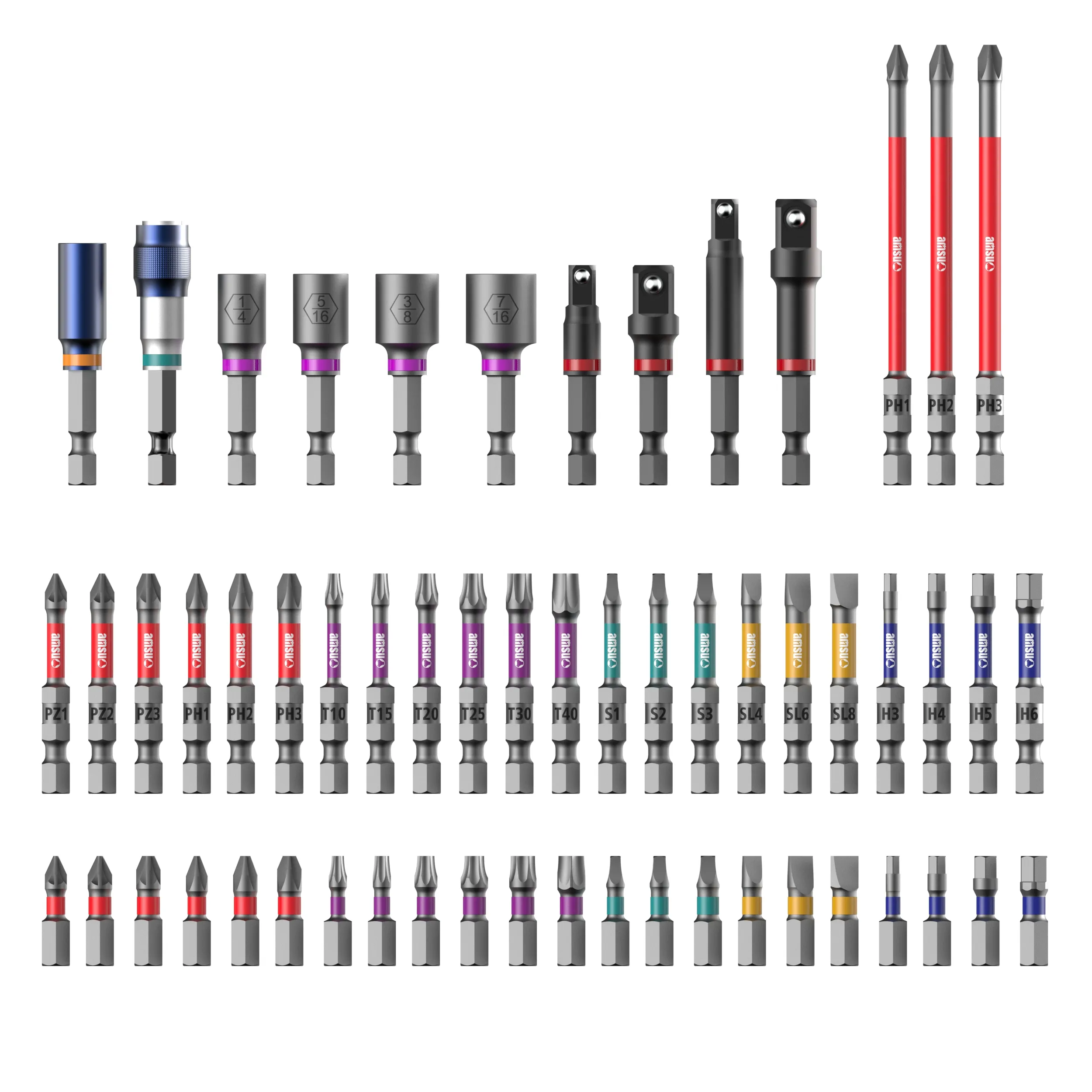
Selecting the correct screwdriver bit for high-torque industrial applications is critical to ensuring both task success and equipment longevity. In demanding industrial environments, the wrong bit selection can lead to stripped fasteners, damaged equipment, or safety hazards. Understanding the relationship between bit design, material composition, and torque capacity enables professionals to make informed decisions that protect their investments and maintain operational efficiency.
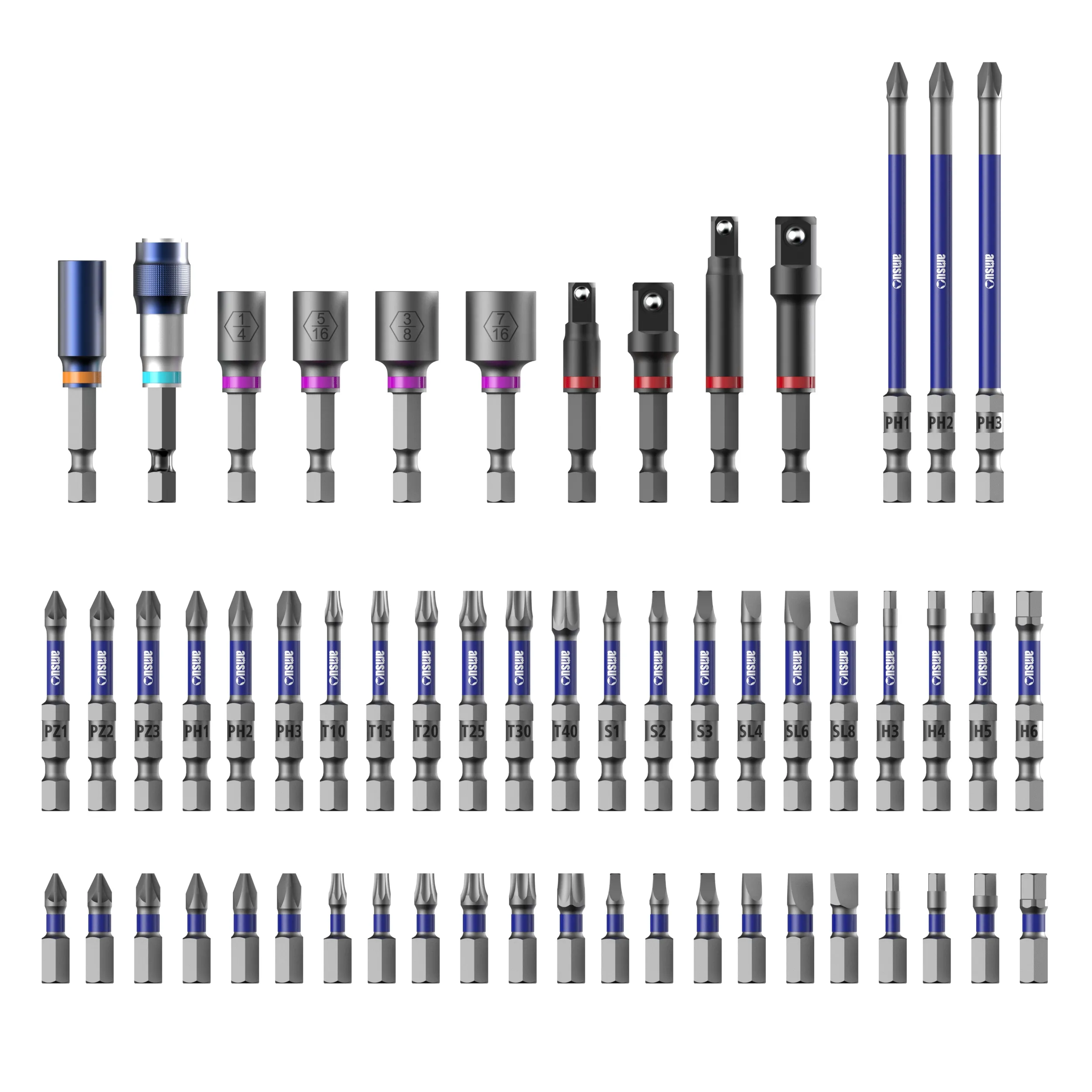
High-torque work demands precision and reliability. The stakes are substantially higher in manufacturing facilities, heavy equipment assembly, and critical infrastructure maintenance where fastener failure could trigger costly downtime or safety issues. A comprehensive screwdriver bit set with appropriate sizing options ensures you have the right tool for each fastening scenario, while magnetic screwdriver tips enhance operational safety by preventing dropped fasteners and improving workflow efficiency.
Understanding Screwdriver Bit Fundamentals
Core Components and Design Principles
Every screwdriver bit consists of a shaft that connects to a drive tool and a working end shaped to engage the fastener head. The geometry of this working end determines torque transmission capability and fastener engagement quality. A properly designed bit transfers force directly to the fastener without slipping, which is essential for high-torque applications. Bit design standards are established by international specifications that define shape tolerances and material requirements to ensure consistent performance across manufacturers.
The magnetic screwdriver tip feature adds significant practical value in industrial settings. Magnetization holds the fastener securely during installation, reducing operator fatigue and preventing fastener loss on elevated work surfaces or confined spaces. However, magnetic strength varies between bit designs, and in some precision applications, non-magnetic bits may be required to prevent interference with sensitive electronic components or measurements.
Material Composition and Durability
High-torque industrial screwdriver bits are typically manufactured from hardened steel alloys, chrome vanadium steel, or molybdenum alloy materials. These compositions provide the hardness necessary to resist deformation under high-stress conditions while maintaining sufficient toughness to prevent brittle failure. The hardening process involves precise heat treatment that must balance hardness with flexibility. Bits that are too hard become brittle and chip easily; bits that are too soft deform and lose engagement geometry, making them unsuitable for sustained high-torque operations.
Selecting Bit Size and Type for High-Torque Requirements
The Screwdriver Bit Size Chart and Fastener Matching
A reliable screwdriver bit size chart is an essential reference tool for matching bits to fastener head geometries. Undersized bits create incomplete contact with fastener heads, causing cam-out situations where the bit slips and damages both the fastener and the bit itself. Oversized bits may not fit into fastener heads or may create excessive lateral pressure that bends fasteners or strips threads. Precision sizing ensures maximum contact area, which directly correlates with torque capacity and fastener security.
Common industrial fastener types include Phillips, square-drive, Pozidriv, and torx configurations. Each type has specific bit dimensions defined by standards such as ISO, DIN, or ANSI. A comprehensive screwdriver bit set should include multiple size options within each type to accommodate the range of fasteners encountered in high-torque industrial work. Cross-referencing your fastener specifications against a detailed screwdriver bit size chart before beginning work prevents costly mistakes and ensures optimal torque application.
Torque Capacity Assessment
Each screwdriver bit type and size has a maximum torque rating that represents the force it can safely transmit without permanent deformation or failure. Manufacturers typically provide torque specifications based on standardized testing protocols. High-torque industrial applications demand bits rated above the expected operating torque by a safety margin, typically 20 to 30 percent above maximum anticipated loads. This margin accounts for variable field conditions, material variations, and the cumulative stress of repeated use.
Implementing Best Practices for High-Torque Applications
Proper Bit Selection and Maintenance Strategy
Developing a systematic approach to bit selection and maintenance extends tool life and ensures consistent performance. Before each high-torque fastening operation, visually inspect your bits for wear, deformation, or surface damage. A magnetic screwdriver tip should maintain consistent magnetization; degraded magnetism signals that the bit has endured significant stress and may be approaching the end of its serviceable life. Organize your screwdriver bit set in a clearly labeled storage system that allows technicians to quickly identify the correct bit for each fastening task without guessing or trial-and-error.
Regular maintenance includes cleaning bits after use to remove corrosion-promoting contaminants, storing them in dry conditions, and rotating bits through work cycles to distribute wear evenly across your entire screwdriver bit set. In high-humidity industrial environments, consider protective coatings or specialized storage solutions to prevent rust and oxidation. Documentation of bit usage patterns can reveal which sizes and types experience higher failure rates, informing future procurement decisions and training priorities.
Equipment and Environmental Considerations
The drive tool itself significantly influences the effectiveness of your screwdriver bit selection. Pneumatic and electric tools should be calibrated to deliver torque within specified ranges to prevent bit over-stress. Variable-speed drills offer better control in high-torque scenarios than fixed-speed tools. Environmental factors such as temperature extremes, moisture, and corrosive atmospheres affect both bit performance and longevity. Selecting bits with enhanced surface treatments for harsh environments extends service life and maintains consistent torque transmission even in challenging conditions.
FAQ
What makes a screwdriver bit suitable for high-torque work?
A high-torque screwdriver bit must combine hardened material composition with precise geometric design that ensures complete fastener head engagement. The bit must have a torque rating exceeding your application requirements by at least 20 percent, and it should maintain dimensional accuracy throughout its service life. Material selection, heat treatment quality, and manufacturing tolerances collectively determine whether a bit can reliably handle high-torque demands without slipping, deforming, or breaking.
How does a magnetic screwdriver tip improve industrial fastening efficiency?
A magnetic screwdriver tip holds the fastener firmly during insertion, reducing operator fatigue and preventing fasteners from being dropped on job sites or into confined spaces where retrieval is difficult. This feature is particularly valuable in elevated work, assembly line operations, and maintenance tasks where fastener loss creates safety hazards or production delays. The magnetic attraction must be strong enough to secure fasteners reliably yet should not interfere with sensitive electronic components or precision measurements in specialized applications.
Why is using a screwdriver bit size chart important for high-torque applications?
A screwdriver bit size chart ensures precise matching between bit and fastener head geometry, which is essential for transmitting torque safely and preventing damage. Incorrect sizing creates cam-out situations where the bit slips, compromising fastener security and potentially stripping threads or damaging the fastener head permanently. Referencing the appropriate chart before beginning work guarantees optimal contact area between bit and fastener, maximizing torque capacity and reducing the risk of costly rework or equipment failure in critical industrial operations.