 EN



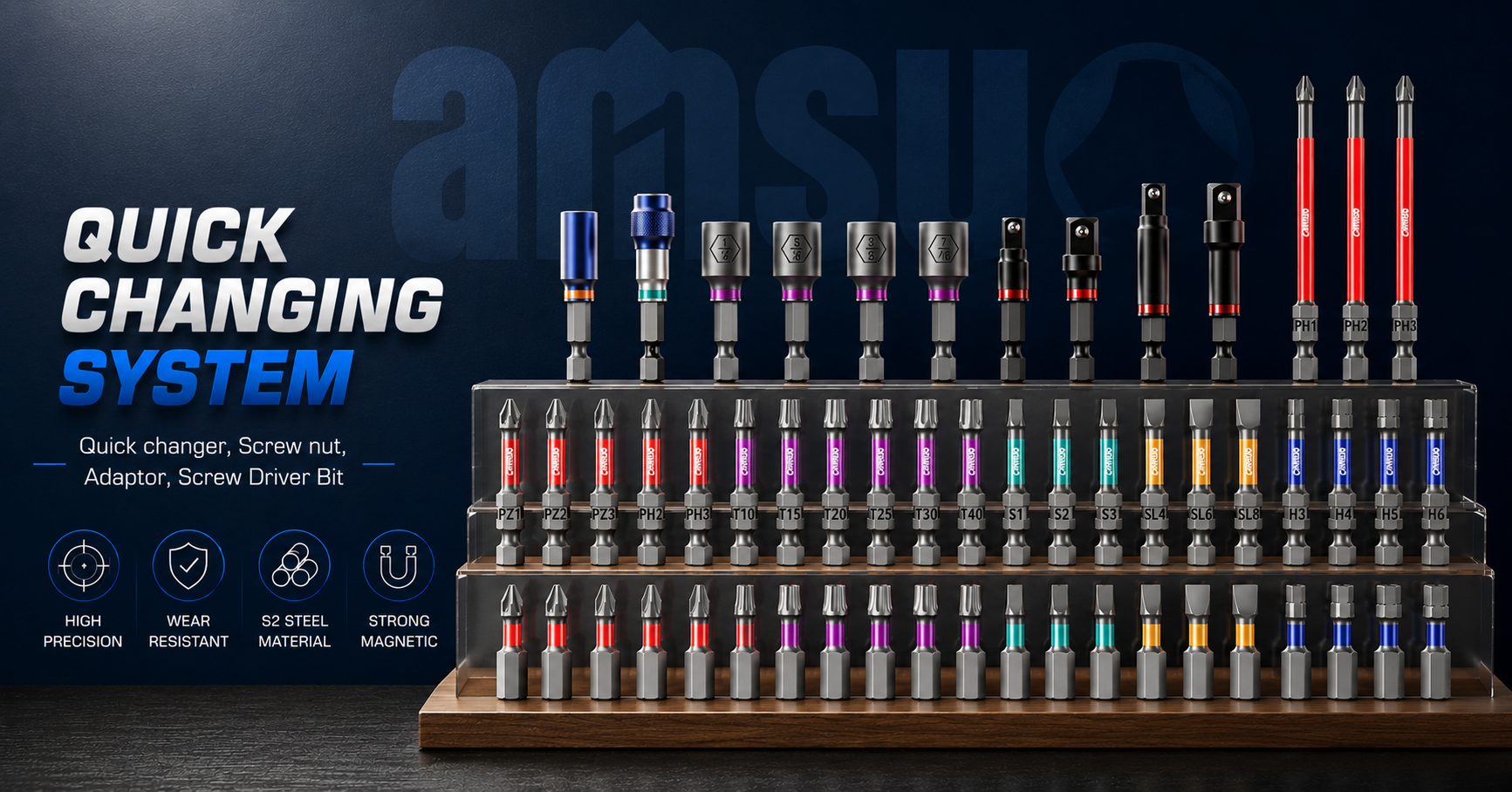
Selecting the right screwdriver bit material is critical for professionals and manufacturers who rely on tools that withstand repetitive stress, corrosive environments, and high-torque applications. The material composition of a screwdriver bit directly determines how long it remains sharp, functional, and cost-effective over thousands of cycles. Industrial operations, automotive assembly lines, electronics manufacturing, and field service technicians all depend on screwdriver bits that resist wear, deformation, and premature failure. Understanding material science behind bit construction helps you make informed purchasing decisions that reduce tool replacement costs and improve productivity.
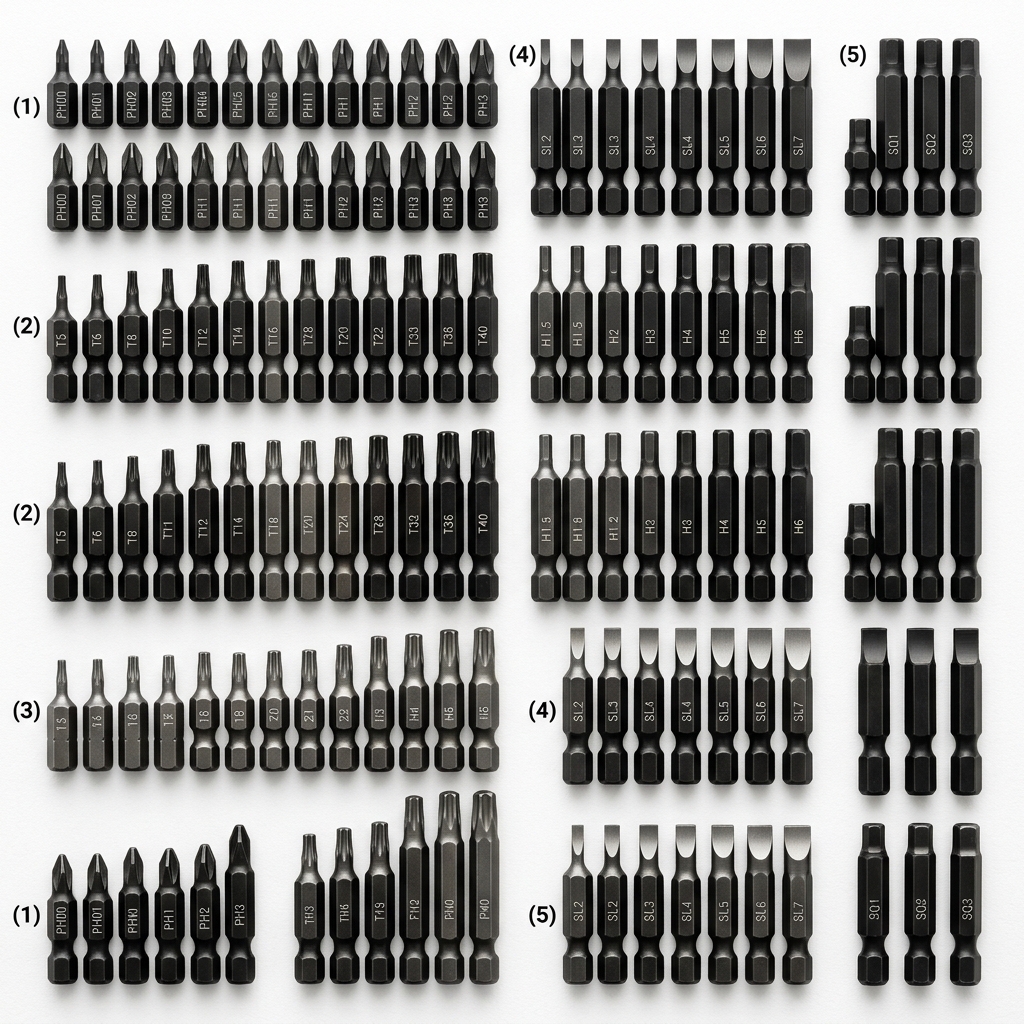
The performance characteristics of screwdriver bits depend heavily on steel grade, heat treatment processes, surface coatings, and manufacturing precision. Superior wear resistance emerges from the combination of hardness, toughness, and material durability rather than any single factor alone. Professional-grade screwdriver bit sets demonstrate measurably longer service life when manufactured from premium materials and processed through rigorous quality control. This guide explores the material science behind wear-resistant screwdriver bits, helping you understand which options deliver genuine performance advantages for your specific application requirements.
Steel Grade and Hardness Fundamentals
Premium Steel Compositions for Durability
Chromium molybdenum steel and vanadium-alloyed steel represent the industry standards for high-performance screwdriver bits. These alloys provide exceptional hardness ratings, typically between 58 and 62 HRC (Rockwell Hardness), which directly correlates with resistance to deformation and tip dulling. The chromium content enhances corrosion resistance, while molybdenum increases toughness and maintains structural integrity under stress. Vanadium additions further improve wear resistance by creating harder carbide particles within the steel matrix that resist abrasion during repeated fastening operations.
Heat Treatment Impact on Wear Performance
Precision heat treatment transforms raw steel into a material capable of withstanding industrial demands. Controlled heating, quenching, and tempering cycles create a microstructure optimized for both hardness and flexibility. Improper heat treatment results in brittle bits prone to chipping or soft bits that wear rapidly and lose driving accuracy. Manufacturers using advanced heat treatment protocols achieve screwdriver bit sets with superior consistency, where every bit maintains optimal hardness throughout its working life. Temperature control during these processes must remain within tight tolerances to achieve the wear resistance characteristics that justify premium pricing.
Surface Coatings and Protective Technologies
Advanced Coating Systems for Extended Life
Titanium nitride and diamond-like carbon coatings create microscopic protective layers that dramatically reduce friction and wear during fastening operations. These coatings reduce the screwdriver bit's direct contact with fastener heads and fastening equipment, minimizing material transfer and tip degradation. A single high-quality coating layer extends bit life by 50 to 200 percent depending on application intensity and environmental conditions. Multi-layer coating systems provide even greater protection, with each layer offering specific benefits: adhesion enhancement, hardness improvement, and corrosion prevention working synergistically to maximize durability.
Corrosion Resistance Through Material Selection
Stainless steel and special alloy screwdriver bits protect against oxidation, moisture, and chemical exposure in demanding environments. While pure stainless steel sacrifices some hardness compared to chrome-molybdenum alloys, premium stainless variants achieve acceptable wear resistance through careful alloying and heat treatment. The screwdriver bit size chart often indicates material composition, helping buyers identify stainless options suitable for marine, food processing, pharmaceutical, or outdoor applications where corrosion poses significant challenges.
Compatibility and Precision Manufacturing
Magnetic Screwdriver Bit Holder Compatibility Standards
Precision manufacturing tolerances directly impact how securely a screwdriver bit seats in a magnetic screwdriver bit holder or power tool chuck. Poorly manufactured bits with inconsistent dimensions slip or rotate during use, causing accelerated wear, fastener damage, and operator frustration. Premium manufacturers hold dimensional tolerances within plus-or-minus 0.1 millimeters, ensuring reliable retention and consistent torque transmission. This precision manufacturing becomes especially critical in automated assembly lines where screwdriver bit set compatibility requirements demand exact specifications across hundreds of fastening operations daily.
Bit Geometry and Tip Design Optimization
The geometry of a screwdriver bit's driving tip significantly influences how wear distributes across the working surface. Precisely ground tip angles, correct flute design, and optimized contact surfaces ensure that driving force distributes evenly rather than concentrating on edge zones prone to rapid degradation. Screwdriver bit set compatibility across different fastener types requires careful engineering of blade profiles, cross patterns, and squared-off edges that resist deformation under load. Manufacturers using computer-controlled grinding equipment achieve superior geometry consistency compared to manually ground bits, directly translating to improved wear resistance and longer functional life.
FAQ
Which material offers the best wear resistance for high-volume production applications?
Chromium vanadium steel with titanium nitride coating provides the optimal balance of hardness, toughness, and wear resistance for high-volume manufacturing. This combination delivers superior screwdriver bit performance when used with precision-engineered magnetic screwdriver bit holders in automated systems. The coating protects the underlying steel while the advanced alloy resists deformation under sustained repetitive stress, making this material choice ideal for facilities where tool replacement costs significantly impact operational budgets.
Does screwdriver bit size chart information indicate material quality differences?
Yes, comprehensive screwdriver bit size chart documentation typically includes material specifications, heat treatment details, and hardness ratings that distinguish premium bits from standard alternatives. Professional charts specify alloy composition, coating type, and dimensional tolerances, providing transparency about the engineering invested in each bit design. Manufacturers using advanced materials and precision manufacturing list detailed specifications that allow informed comparison, while generic suppliers often omit this critical information that directly correlates with wear resistance and durability.
How does screwdriver bit set compatibility affect overall wear resistance performance?
Proper screwdriver bit set compatibility ensures correct seating depth, stable retention, and reliable torque transmission, all of which minimize unintended wear and damage during fastening operations. Bits that fit loosely or lack precise dimensional alignment experience micro-slipping that accelerates tip degradation and reduces functional life. Maintaining compatibility standards across your toolkit prevents performance degradation, ensures consistent fastening results, and maximizes the return on investment in premium wear-resistant materials and advanced manufacturing processes.