Universāla veiktspēja dažādās koka apstrādes lietojumprogrammās
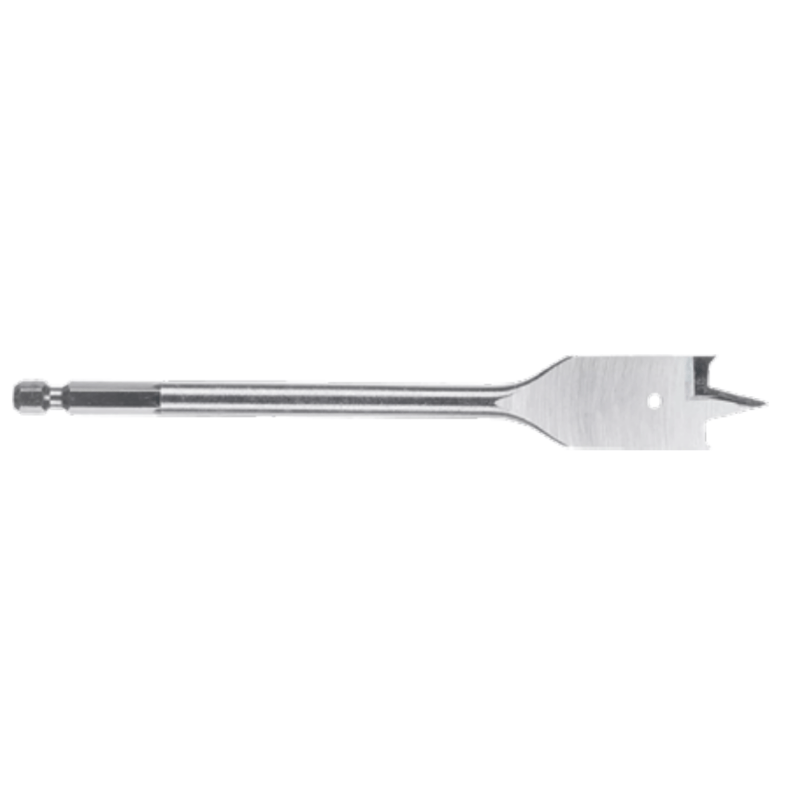
Koka lāpstiņveida urbjkoks atšķiras ar izcilu daudzpusību, kas padara to neaizstājamu plašam koka apstrādes lietojumu klāstam — no rupjiem būvniecības uzdevumiem līdz detalētiem kokapstrādes projektiem, kuros nepieciešama precīza caurumu novietošana. Šī pielāgojamība ir saistīta ar pamatkonstrukciju, kas efektīvi darbojas dažādu koku šķirņu, blīvumu un mitruma saturu apstākļos, tādējādi novēršot nepieciešamību glabāt vairākus specializētus urbjkokus dažādiem materiāliem. Mīkstkokos izmantošana ir dabiskā stiprā puse, jo asie griezuma malas viegli un tīri iegriežas priedē, eglē, cedrā un citās līdzīgās koku šķirnēs ar minimālu pretestību, veidojot gludas caurumus, kas piemēroti metāla montāžai, dēļu ievietošanai vai dekoratīviem mērķiem. Koka lāpstiņveida urbjkoks vienlīdz veiksmīgi tāpār strādā ar cieta kokā, ja tiek izmantotas pareizas urbjšanas tehniskas metodes, veiksmīgi iegriežoties ozolā, klenšā, valriekstā un citās blīvās koku šķirnēs, kurās nevar tikt galā ar mazāk efektīviem urbjrīkiem. Šī spēja strādāt ar cieta kokā ir būtiska mēbeļu ražošanai, skapju konstruēšanai un arhitektūras koka apdarē, kur augstas kvalitātes materiāli prasa uzticamu urbjšanas veiktspēju. Inženierkoka izstrādājumi, tostarp fanera, orientētās koka skaidas plāksne (OSB), vidējas blīvuma šķiedru plāksne (MDF) un koka skaidas plāksne, labi reaģē uz lāpstiņveida urbjkoka griezuma darbību, kur asie perimetra āķi novērš slāņu atdalīšanos vai malu izplīsumu, kas bieži rodas, izmantojot nepiemērotas urbjšanas metodes. Koka lāpstiņveida urbjkoku izmēru diapazons aptver visu — no nelieliem vadītājcaurumiem līdz lieliem diametra caurumiem, kuru diametrs pārsniedz vienu collu, tādējādi apmierinot prasības elektrisko kastīšu, durvju slēgu uzstādīšanai, santehnikas caurumiem, kabeļu maršrutēšanai un daudziem citiem standarta un specializētiem lietojumiem. Dziļuma daudzpusība atbilst šai diametra elastībai, jo pagarinātās versijas ļauj urbt cauri biezām sijām, vairākām virknes veidā saliktām dēšļu kārtām vai dziļām griezuma vietām, kurās īsāki urbjkoki nav spējīgi iekļūt. Koka lāpstiņveida urbjkoks veiksmīgi darbojas gan rokas urbjmašīnās, kur svarīga ir pārnēsājamība un ātra iestatīšana, gan stacionārās urbjpresēs, kur prioritāte ir precizitāte un atkārtojamība. Leņķiskas urbjšanas situācijas nerada būtiskas grūtības, jo urbjkoka konstrukcija saglabā stabilitāti un griezuma efektivitāti pat tad, kad tas tuvojas apstrādāmajam materiālam nenormālos leņķos, kas nepieciešami noteiktu savienojumu tehnoloģiju vai ierobežota darba telpa dēļ. Remonts un pārbūve ļoti iegūst no šīs daudzpusības, jo esošās konstrukcijas piedāvā neprediktāmus koka apstākļus, nezināmas koku šķirnes un grūti pieejamas vietas, kas prasa pielāgojamus urbjšanas risinājumus, kuri var tikt galā ar jebkādām radušāmies situācijām, neprasot rīku maiņu vai tehnisko metožu pielāgošanu.
 EN
EN