 EN



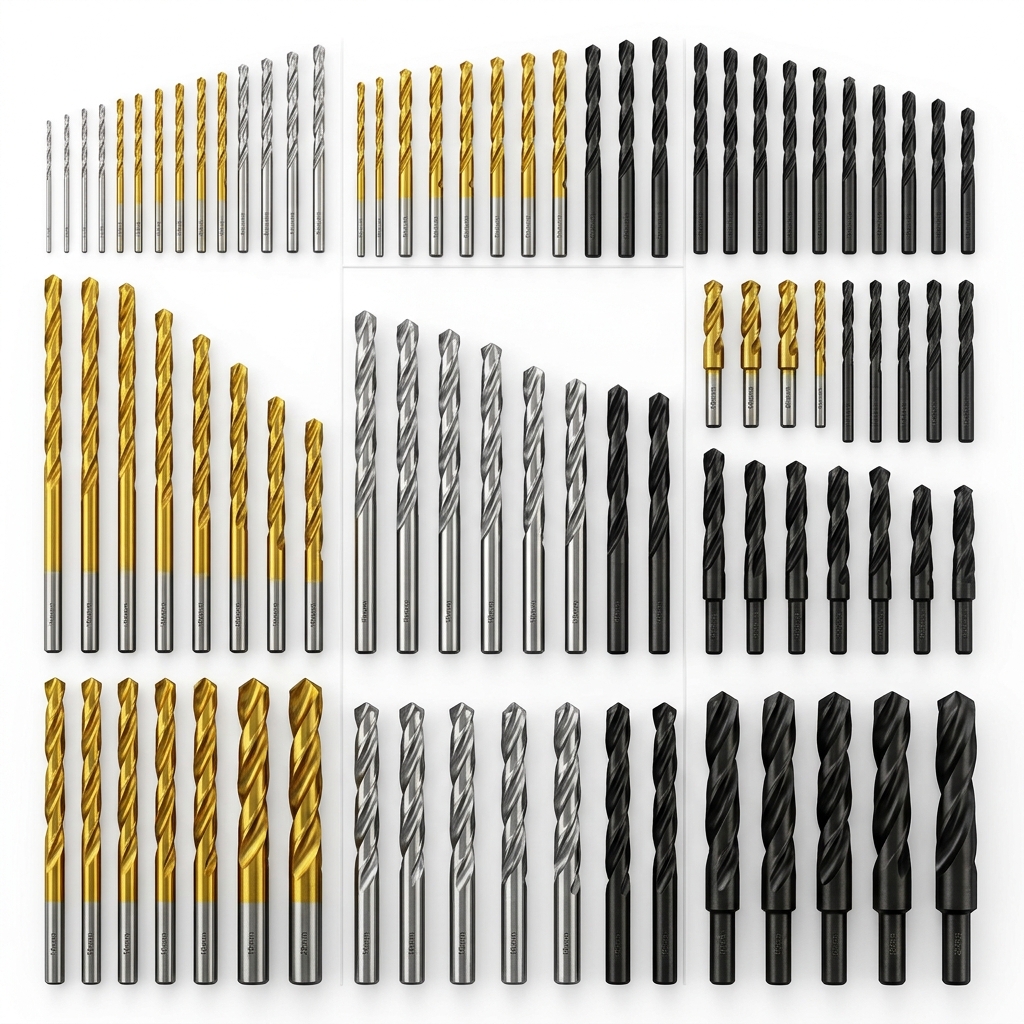
Selecting the right hss twist drill bit requires careful attention to multiple factors that directly impact drilling accuracy, tool longevity, and project success. Whether you work in manufacturing, maintenance, construction, or precision machining, understanding the critical specifications and performance characteristics of high speed steel drill bits ensures you make informed purchasing decisions. The market offers countless options, but not all deliver equal value or reliability for your specific applications.
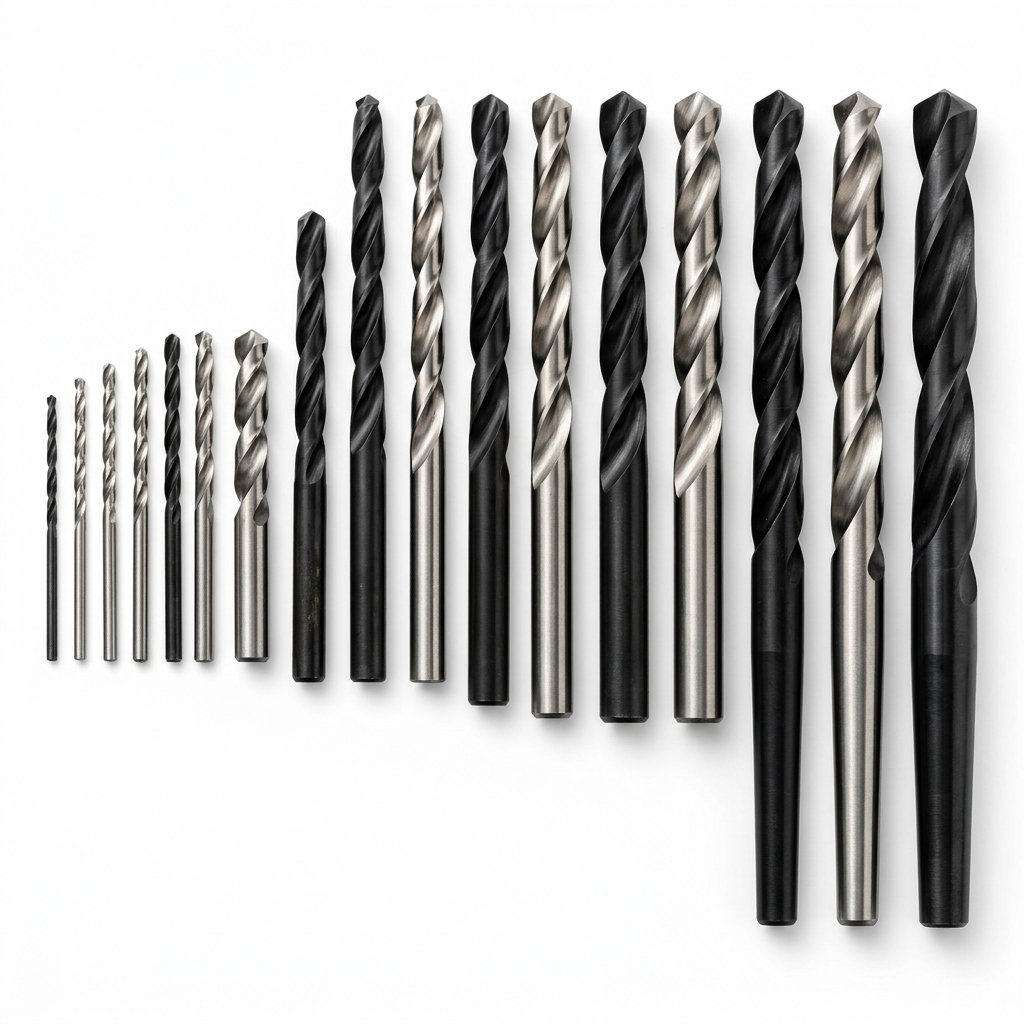
Purchasing decisions for drilling tools should balance material compatibility, operational efficiency, and total cost of ownership. A best drill bit for metal demands specific hardness ratings, point geometry, and coating technology that commodity options simply cannot provide. Understanding these distinctions helps you avoid costly mistakes, reduce tool breakage, and achieve consistent results across your operations.
Material Quality and High Speed Steel Specifications
Understanding HSS Composition and Performance Grades
High speed steel drill bits contain tungsten, molybdenum, vanadium, and cobalt in precisely controlled ratios that determine cutting performance and heat tolerance. Premium grade high speed steel drill bit materials maintain hardness even at elevated temperatures, allowing faster spindle speeds and longer tool life compared to standard carbon steel alternatives. The cobalt content particularly influences heat resistance and edge retention when drilling demanding metals like stainless steel, cast iron, and aluminum alloys.
When evaluating material quality, examine the manufacturing standard and supplier specifications rather than relying on visual inspection alone. Reputable manufacturers provide detailed composition data, hardness ratings measured in Rockwell hardness, and performance benchmarks across common metals. The difference between premium and economy-grade high speed steel drill bits becomes immediately apparent during extended drilling sessions where inferior materials experience rapid wear, heat discoloration, and premature edge breakdown.
Coating Technologies and Surface Treatments
Titanium nitride coatings, titanium aluminum nitride layers, and other PVD treatments dramatically extend tool life and reduce friction during drilling. Coated options typically cost more initially but deliver superior performance when drilling best drill bit for metal applications, particularly with stainless steel and hard alloys. The coating thickness, adhesion quality, and material combination determine whether the investment pays back through reduced tool consumption and faster cycle times.
Uncoated high speed steel drill bits work well for softer materials and lower-speed applications but generate excessive heat when pushing harder metals at moderate to high spindle speeds. Examining surface finish, color consistency, and coating uniformity during purchase helps identify quality variations that affect performance. Well-applied coatings prevent adhesive wear, reduce friction heat, and maintain sharpness longer than uncoated alternatives.
Sizing Standards and Selection Logic
Understanding High Speed Steel Drill Bit Sizes Chart Standards
A comprehensive high speed steel drill bit sizes chart references fractional inch, metric, number, and letter sizing systems used across industries. Understanding which sizing standard applies to your equipment and project specifications prevents purchasing incompatible tools and measurement errors. Most modern operations use fractional inch sizes in the United States and metric sizes internationally, though legacy equipment may require number or letter designations.
Drill bit diameter directly influences material removal rate, chip clearance, and cutting forces experienced by your machine spindle. Smaller diameters allow precise hole placement but generate higher pressure per unit area; larger diameters remove material faster but demand greater spindle power and rigidity. Consulting a detailed high speed steel drill bit sizes chart helps match bit selection to your specific machine capabilities, material thickness, and precision requirements.
Flute Geometry and Hole Quality Considerations
Flute count, helix angle, and point geometry shape the drilling characteristics and hole quality produced by each hss twist drill bit. Standard twist drill bits feature two flutes with moderate helix angles optimized for general-purpose metalworking across common alloys. Specialty geometries like split-point designs improve centering accuracy, reduce walk-off on hard surfaces, and lower cutting forces compared to conventional designs.
The high speed steel drill bit sizes chart should include information about point angle variations, margin width, and flank relief angles that influence chip evacuation and surface finish. Deep-fluted designs improve chip clearance in tough materials; short-fluted designs provide better rigidity for hand-portable drills and precision applications. Matching flute geometry to your material type and drilling method ensures you achieve target hole accuracy and surface finish consistently.
Performance Requirements and Application Matching
Matching Drill Bits to Material Types and Hardness Ranges
Different metals demand specific hss twist drill bit characteristics to optimize performance and prevent premature failure. Soft aluminum requires sharp geometry and appropriate speed ranges to prevent chip welding and work hardening; steel demands heat tolerance and adequate flute capacity for chip evacuation; cast iron needs point geometry that prevents chatter vibration. Understanding the hardness, work-hardening tendency, and chip formation behavior of your target material guides proper bit selection and speed setting.
A best drill bit for metal varies by alloy composition, hardness range, and intended hole depth. Stainless steel drilling demands superior heat resistance and coatings that prevent adhesive wear; aluminum requires sharp, polished flutes and higher speeds with careful chip control; cast iron benefits from split-point geometry that reduces walk-off and chatter. Matching high speed steel drill bit materials and geometry to your specific metalworking applications ensures efficiency and cost-effectiveness.
Spindle Speed, Feed Rate, and Operational Parameters
Optimal drilling results depend on matching bit selection to your machine's spindle speed range, rigidity, and control capabilities. Premium hss twist drill bit sets include reference data for recommended speeds and feeds across common materials, helping operators maximize tool life and hole quality. Underspeeding causes excessive cutting forces and tool wear; overspeeding generates heat that degrades the bit edge and shortens life dramatically.
The relationship between spindle RPM, feed rate per revolution, and material type determines heat generation, chip formation, and tool longevity. Variable-speed drilling equipment allows optimization for different materials and bit sizes; fixed-speed machines may require compromise settings that work adequately across a material range. Understanding your equipment's limitations and matching bit performance characteristics accordingly prevents costly tool failure and production delays.
Maintenance and Longevity Considerations
Drill Bit Sharpening Techniques and Tool Maintenance
Regular sharpening extends hss twist drill bit life significantly, making proper drill bit sharpening techniques essential knowledge for cost-effective operations. Manual sharpening using bench grinders requires understanding lip angle, margin width, and clearance angle geometry that maintain performance and balance. Professional sharpening services restore bits to factory specifications and deliver optimal results when in-house sharpening capability is unavailable or demands high-volume processing.
Dull bits create excessive heat, require higher feed forces, and damage holes with built-up edge formation that ruins surface finish. Recognizing sharpening trigger points—when holes begin tearing, bit temperature increases noticeably, or feed pressure rises—prevents inferior results and protects both tools and workpieces. Implementing systematic inspection and sharpening schedules maintains consistent performance and maximizes return on investment from your hss twist drill bit inventory.
Storage, Handling, and Tool Organization Systems
Proper storage and handling practices prevent corrosion, damage, and loss of precision that reduce performance and reliability. Organized tool storage systems keep bits accessible, protect them from environmental damage, and enable quick inventory verification. Separating new tools from resharpened inventory, implementing protective storage cases, and maintaining clean, dry storage conditions extend the operational life of complete hss twist drill bit sets.
Damage prevention through careful handling, appropriate collet fit, and runout minimization protects expensive tool investments and maintains hole quality. Regular cleaning removes chips and debris that can cause binding or slipping during drilling operations. Implementing these basic maintenance disciplines ensures your tools perform at peak efficiency and deliver consistent results throughout their operational life.
FAQ
How do I select the correct hss twist drill bit size for my project?
Consult your project specifications for required hole diameter, then reference a comprehensive high speed steel drill bit sizes chart that covers fractional inch, metric, number, and letter systems. Most general-purpose applications use fractional or metric sizing, while specialized applications may require number or letter designations. Verify that your selected size matches your drilling equipment's collet capacity and spindle speed rating.
What makes a best drill bit for metal different from standard options?
Premium best drill bit for metal products feature superior material composition with controlled cobalt content, advanced coatings for heat resistance, and optimized geometry for specific metal types. These bits maintain sharpness longer, generate less heat, reduce work-hardening effects, and produce superior hole quality compared to commodity alternatives. The investment premium typically recovers through extended tool life, reduced breakage, and consistent performance across challenging applications.
Can I refresh dull hss twist drill bits using home sharpening methods?
Yes, drill bit sharpening techniques using a bench grinder can effectively restore many hss twist drill bit tools when you understand proper lip angle, margin width, and clearance angle geometry. However, achieving consistent symmetry and maintaining precise angles requires skill and practice that takes time to develop. Professional sharpening services deliver factory-specification results reliably, making them worthwhile for high-value bits or when in-house capability is unavailable.