 EN



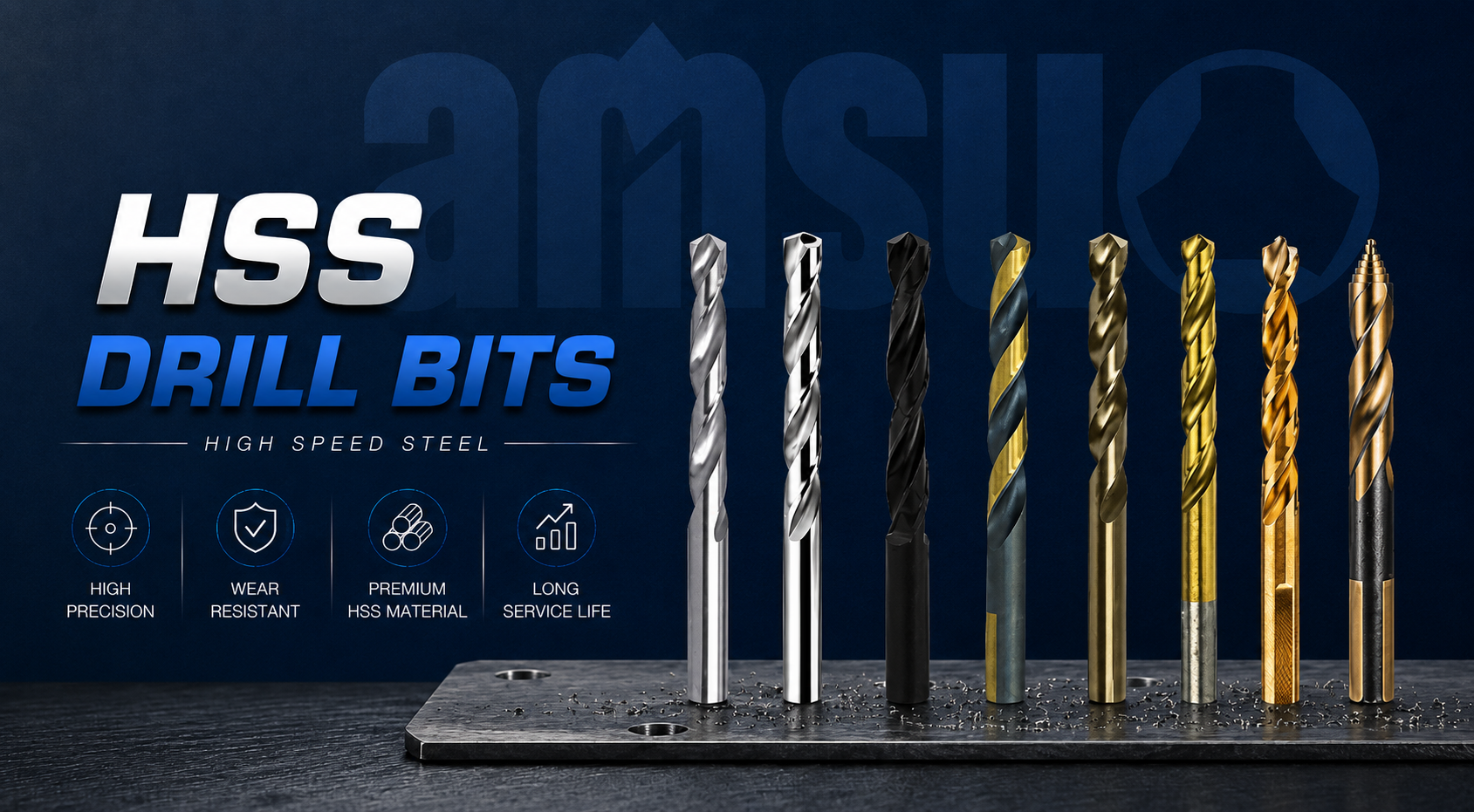
An hss twist drill bit is one of the most versatile and widely used drilling tools in industrial and commercial applications today. HSS, which stands for High Speed Steel, represents a class of tool steel that maintains hardness and cutting ability even at elevated temperatures, making it ideal for drilling through various materials efficiently. Understanding which materials respond best to HSS twist drill bits is essential for operators, machinists, and manufacturing professionals who need to select the right tool for their specific drilling tasks.
The performance of an hss twist drill bit depends not only on the tool itself but also on the material being drilled. Different metals, alloys, and composite materials present unique challenges including varying hardness levels, thermal conductivity, and chip formation characteristics. By matching the right high speed steel drill bit applications to your material, you can achieve faster penetration rates, longer tool life, and superior surface quality in your finished workpieces.
Soft to Medium Metals and the Best Drill Bit for Metal Applications
Aluminum and aluminum alloys represent materials where HSS twist drill bits excel due to their moderate hardness and excellent machinability. When using a best drill bit for metal like HSS on aluminum, operators achieve clean holes with minimal burring when proper speeds and feeds are maintained. The thermal conductivity of aluminum means heat dissipates quickly from the drilling zone, which reduces thermal stress on the best drill bit for metal and extends its cutting life significantly.
Copper, Brass, and Soft Steel Processing
Copper and brass materials drill exceptionally well with HSS twist drill bits because these metals are inherently soft and ductile. The high speed steel drill bit applications for copper include both solid drilling and stepped hole operations. Soft steel and mild steel also respond well to hss twist drill bits, with feed rates and spindle speeds adjusted according to the specific material composition and the twist drill bit sizes chart specifications you are following.
Medium to Hard Steels and Stainless Steel Performance
Carbon steel and alloy steels present more demanding drilling challenges, yet high speed steel drill bit applications remain popular in these materials. The superior heat resistance of HSS allows sustained cutting speeds that would destroy conventional steel bits. When drilling medium carbon steels, operators typically use a best drill bit for metal with appropriate coolant application to manage the higher temperatures generated during the cutting process.
Stainless Steel Drilling Considerations
Stainless steels require careful attention because they work-harden rapidly and generate significant heat during drilling. HSS twist drill bits can process stainless steel effectively when slower spindle speeds and steady feed rates are employed, though carbide drill bits are often preferred for production runs. The twist drill bit sizes chart helps operators select the appropriate diameter and point geometry for stainless steel applications, balancing tool life against throughput requirements.
Composite Materials and Specialty Applications
Cast iron and ductile iron are materials where hss twist drill bits produce excellent results because these materials allow chips to break cleanly and fall away from the cutting zone. The thermal capacity of cast materials helps distribute heat, extending high speed steel drill bit applications in foundry and machine shop environments. Certain plastic and composite materials can also be drilled with HSS bits, though feed rates must be controlled carefully to prevent material damage and delamination.
Titanium and Exotic Alloys
Titanium alloys present significant challenges for hss twist drill bits due to their extreme work-hardening tendency and low thermal conductivity. While HSS can technically process titanium, carbide tools are generally superior for these demanding applications. The twist drill bit sizes chart specifications remain valid for HSS bits when used on titanium, but operators must recognize that tool life will be substantially shorter compared to drilling conventional steels of similar hardness.
Optimizing High Speed Steel Drill Bit Applications for Maximum Performance
Proper coolant selection dramatically improves high speed steel drill bit applications across all material types. Flood coolants work well for most metals, while air blast cooling suits interrupted cuts better. The twist drill bit sizes chart should always be cross-referenced with material-specific feeds and speeds to ensure the hss twist drill bit operates within its optimal performance window and achieves consistent hole quality.
Tool Geometry and Material Compatibility
The point angle and flute geometry of your hss twist drill bit significantly influence material compatibility. General-purpose bits work adequately across many materials, but specialized geometries optimize best drill bit for metal results for specific material families. Web thickness, helix angle, and margin design all factor into how well a high speed steel drill bit applications perform on your target material.
FAQ
Can HSS twist drill bits be used on all metals?
HSS twist drill bits work on most common metals including aluminum, copper, steel, and cast iron, but material hardness and thermal properties affect tool life significantly. Titanium and exotic superalloys can be drilled with HSS but produce shorter tool life than dedicated carbide solutions. Always consult the twist drill bit sizes chart and material specifications before selecting your hss twist drill bit for specialized metals.
What is the best drill bit for metal production environments?
The best drill bit for metal in production settings depends on material type, hole volume, and accuracy requirements. For high-volume drilling of soft metals, HSS offers excellent cost-performance balance. For harder steels and stainless materials, carbide bits often justify their higher cost through extended tool life and faster speeds, though hss twist drill bits remain viable when tool replacement is not a constraint.
How do I use the twist drill bit sizes chart to select the right tool?
The twist drill bit sizes chart provides both metric and imperial dimensions along with recommended speeds and feeds for different materials. Match your target hole diameter to the chart, identify the hss twist drill bit specification, then cross-reference the material type to determine appropriate spindle speed and feed rate. This systematic approach ensures your high speed steel drill bit applications deliver optimal results and consistent hole quality.