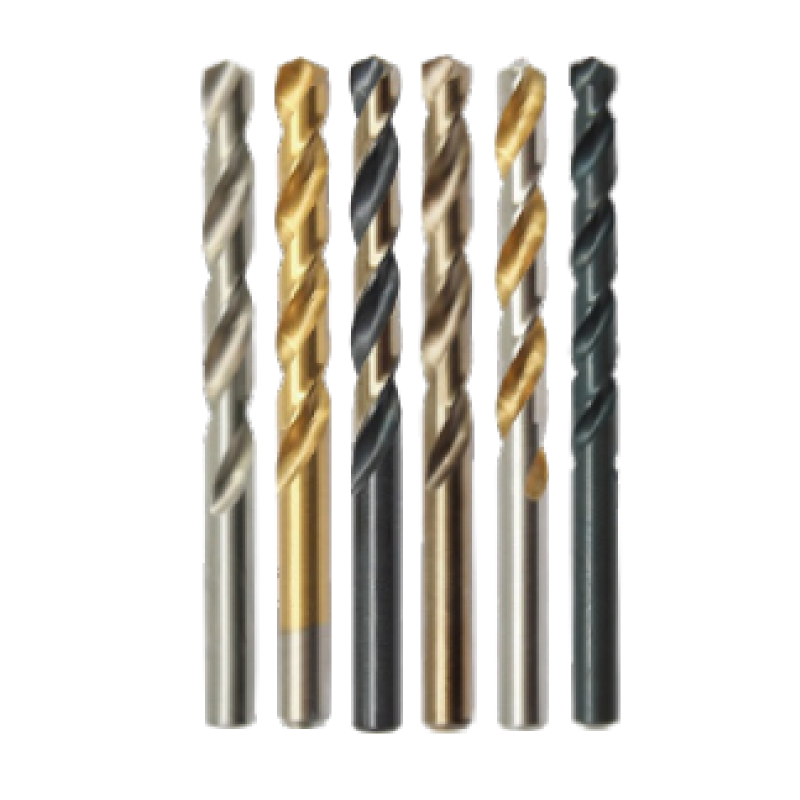
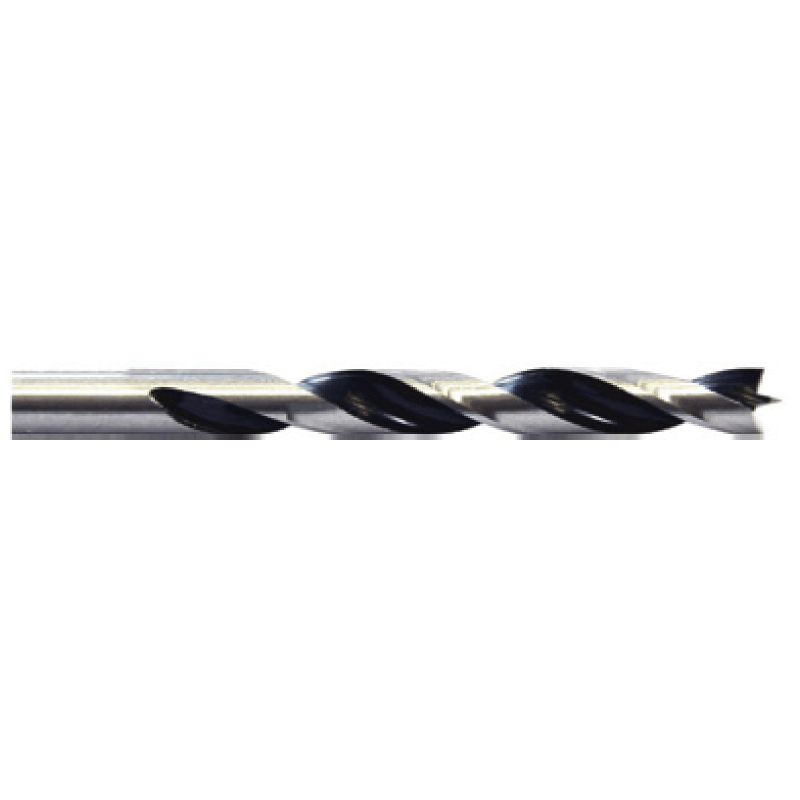
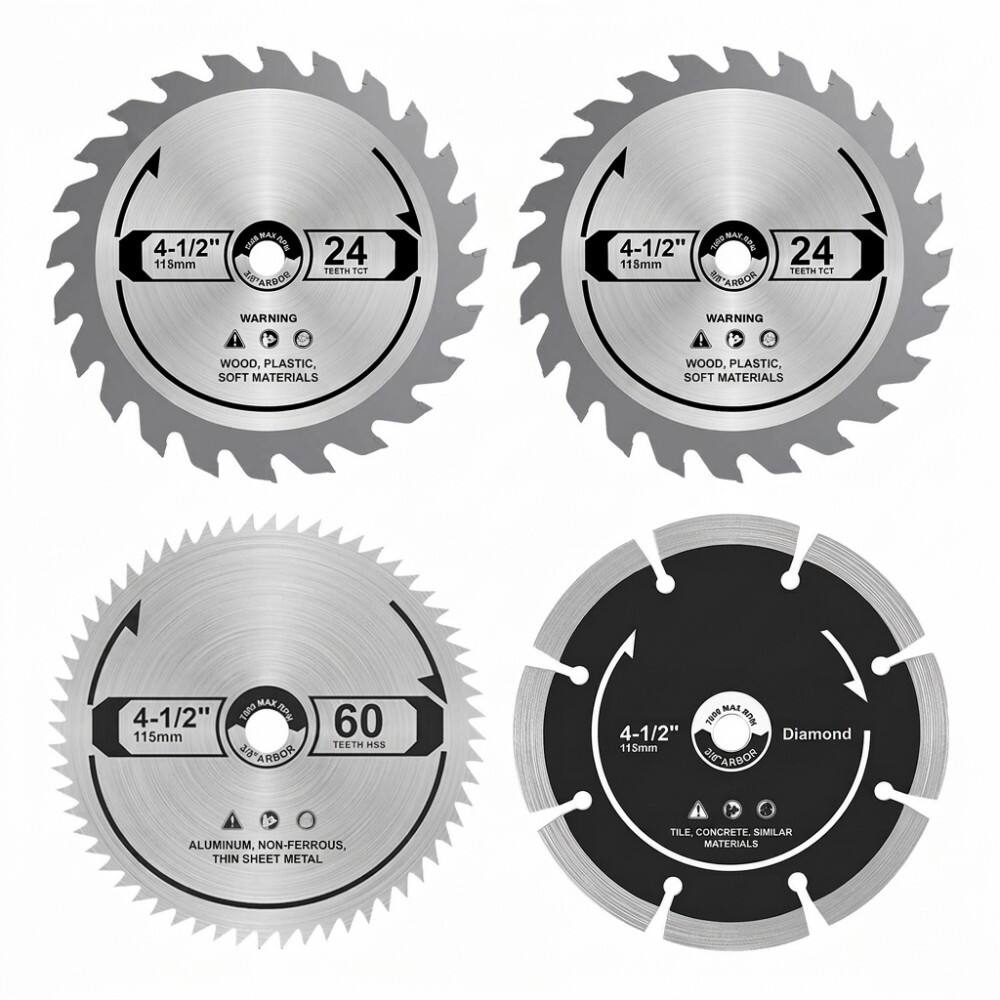
impact power bits
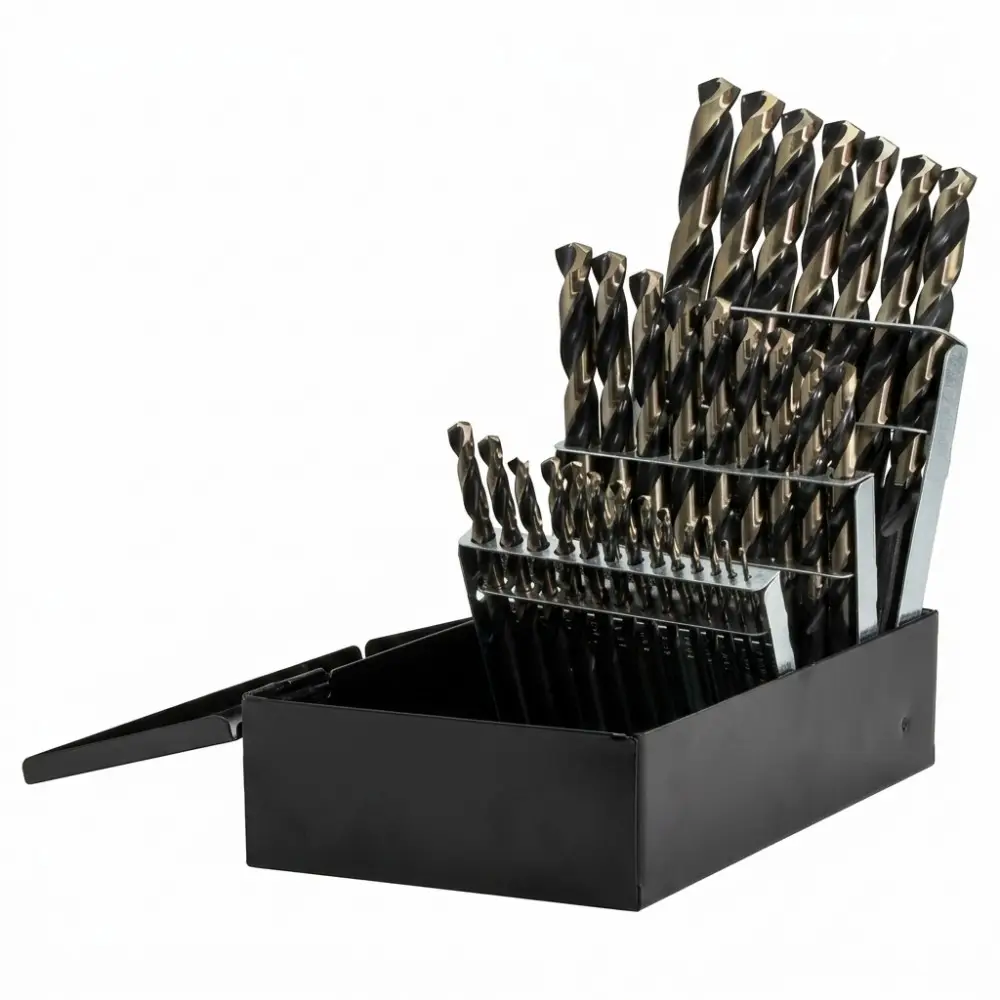
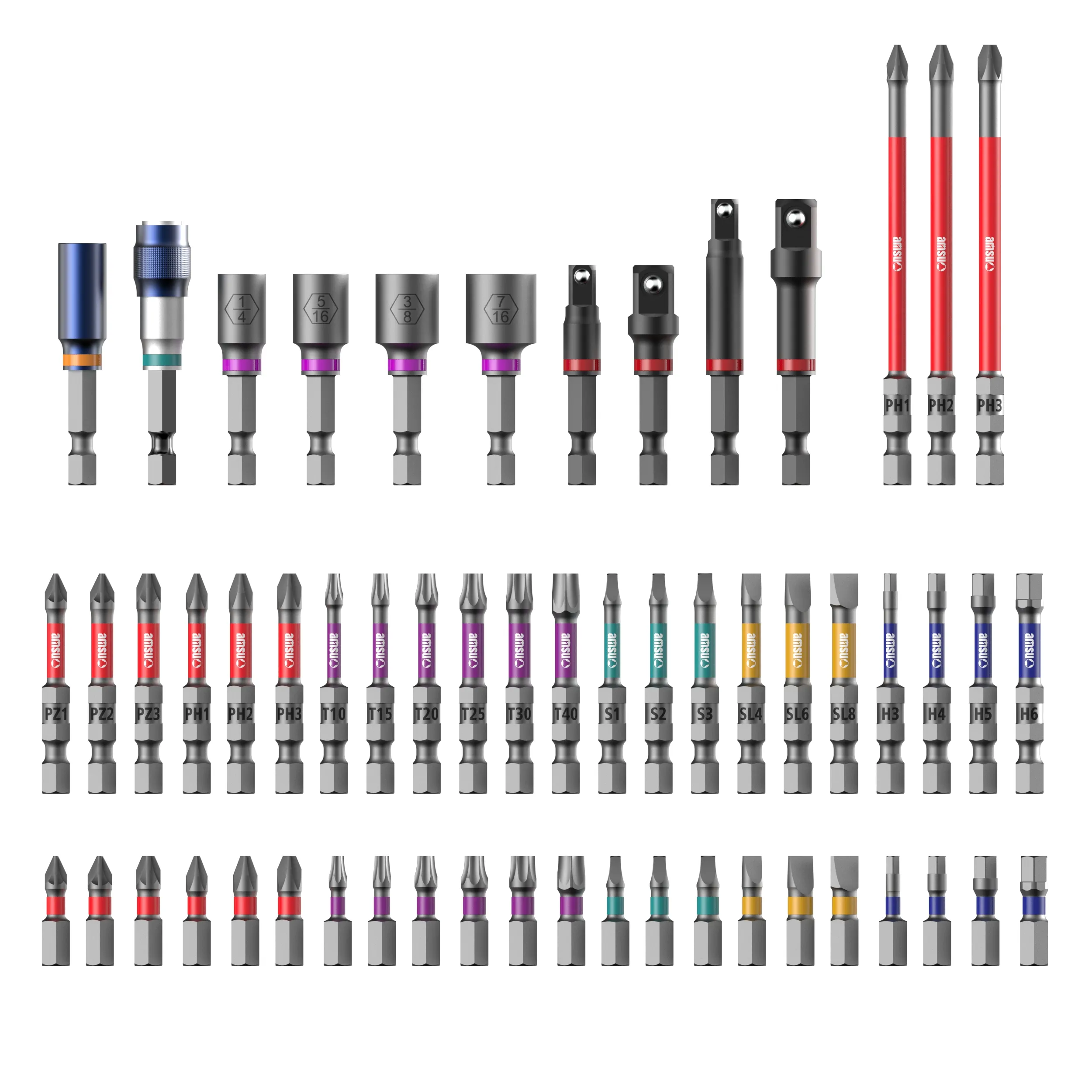
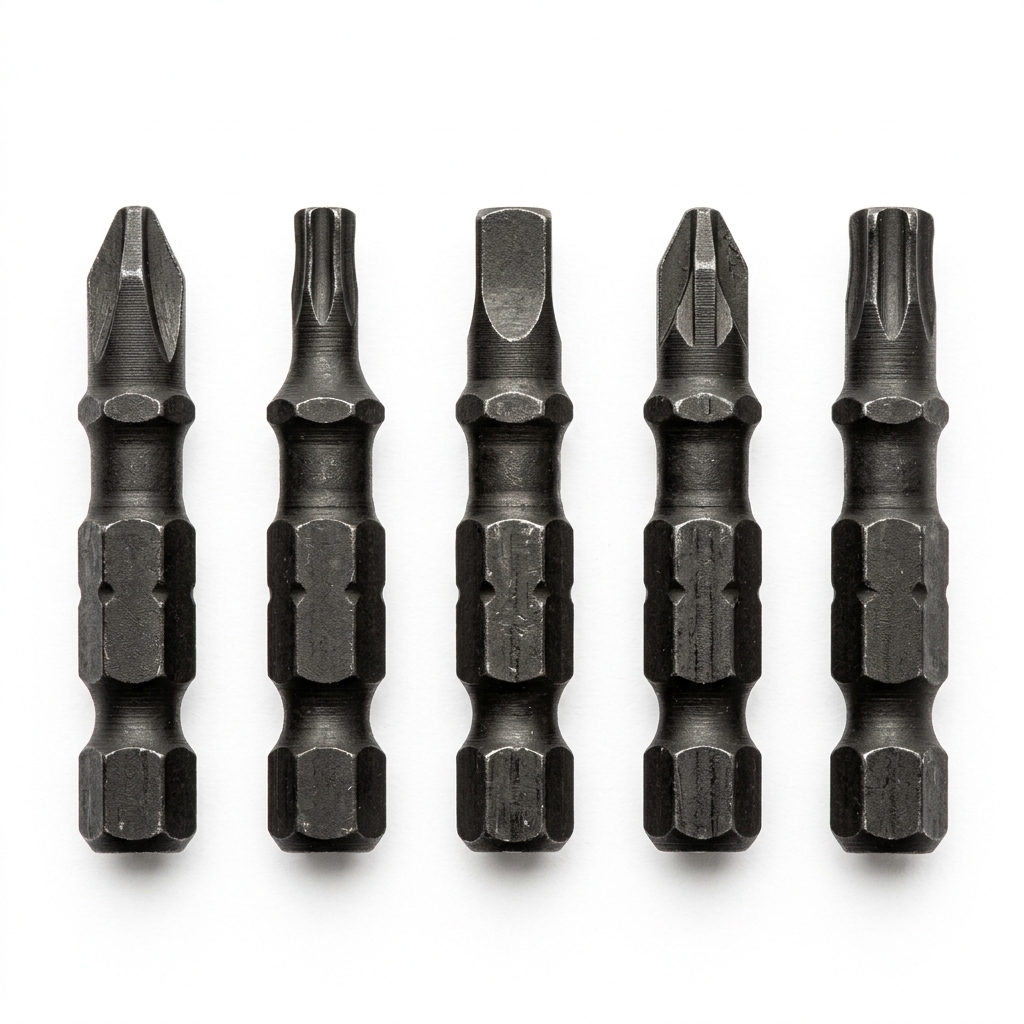
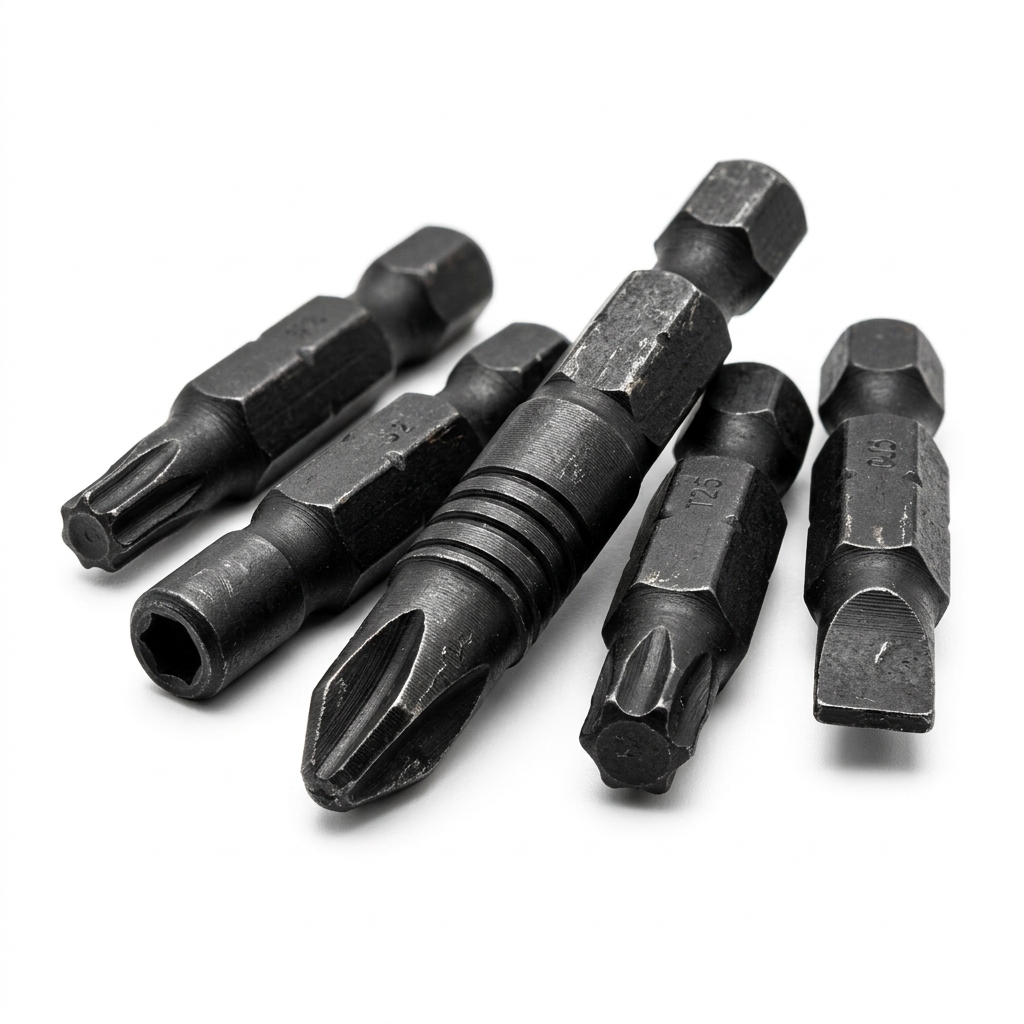
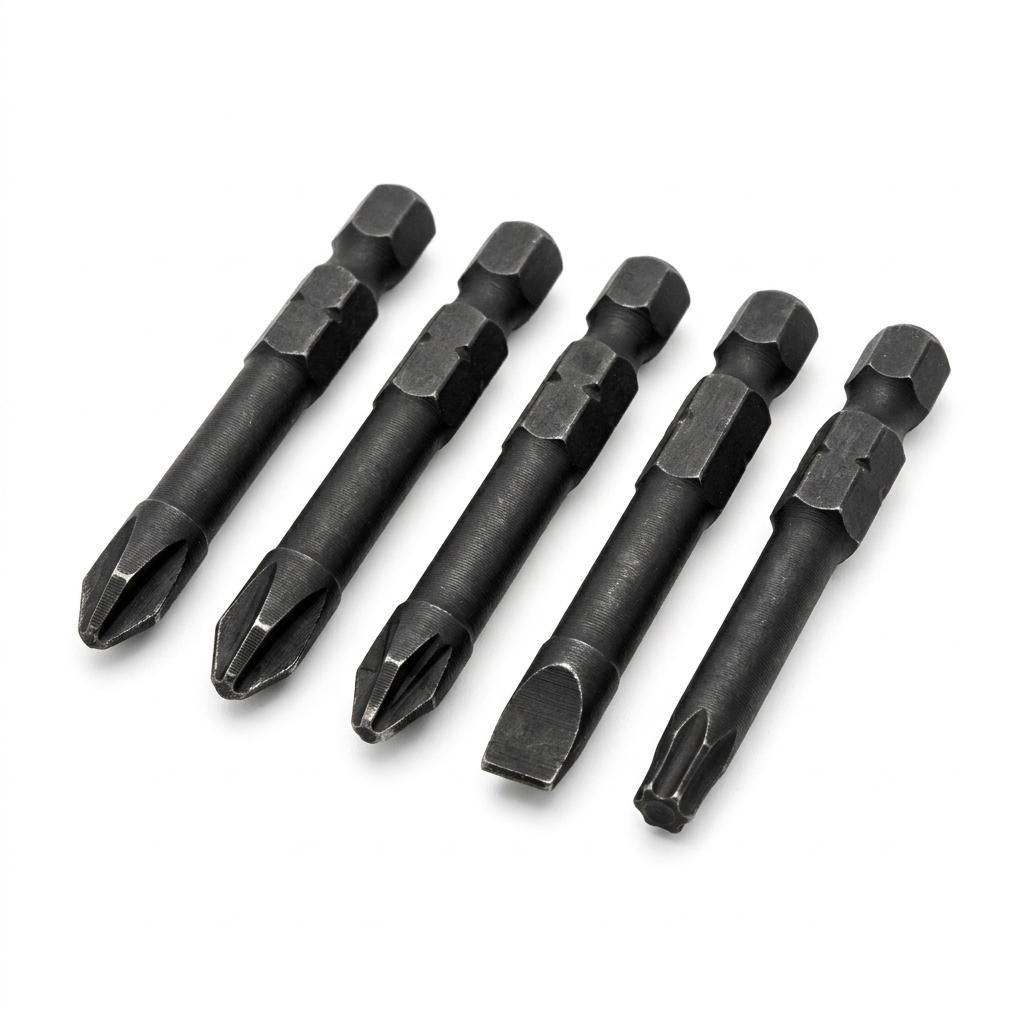
Impact power bits represent a revolutionary advancement in fastening technology, specifically engineered to withstand the extreme torque and repetitive striking forces generated by impact drivers and impact wrenches. These specialized drilling and driving accessories have transformed how professionals and DIY enthusiasts approach demanding fastening applications across construction, automotive repair, manufacturing, and maintenance projects. Unlike standard drill bits that can shatter or wear rapidly under percussion forces, impact power bits feature reinforced construction with shock-absorbing properties that extend their operational lifespan significantly. The core design philosophy behind impact power bits centers on durability and performance optimization in high-stress environments where conventional bits fail prematurely. These tools incorporate advanced metallurgy, precision manufacturing techniques, and innovative geometries that distribute impact energy efficiently throughout the bit structure. Impact power bits typically feature torsion zones or flexible shank sections that act as shock absorbers, preventing the catastrophic failures common with rigid bits. The hex shank design ensures secure retention in impact driver chucks, eliminating slippage during operation. Modern impact power bits come in various configurations including Phillips, Torx, square drive, and specialized security patterns, accommodating virtually every fastening requirement. Their heat-treated tips maintain sharpness and precision even after thousands of fastening cycles, while specialized coatings reduce friction and prevent corrosion. The market offers impact power bits in individual pieces, matched sets, and comprehensive kits that address multiple applications. Professional contractors rely on these bits for framing, decking, metal roofing, and cabinet installation, while automotive technicians depend on them for engine work and chassis repairs. The engineering behind impact power bits represents years of research into material science, understanding how repeated percussion affects tool steel at the molecular level, and developing solutions that overcome these challenges while maintaining dimensional accuracy and driving performance.
 EN
EN