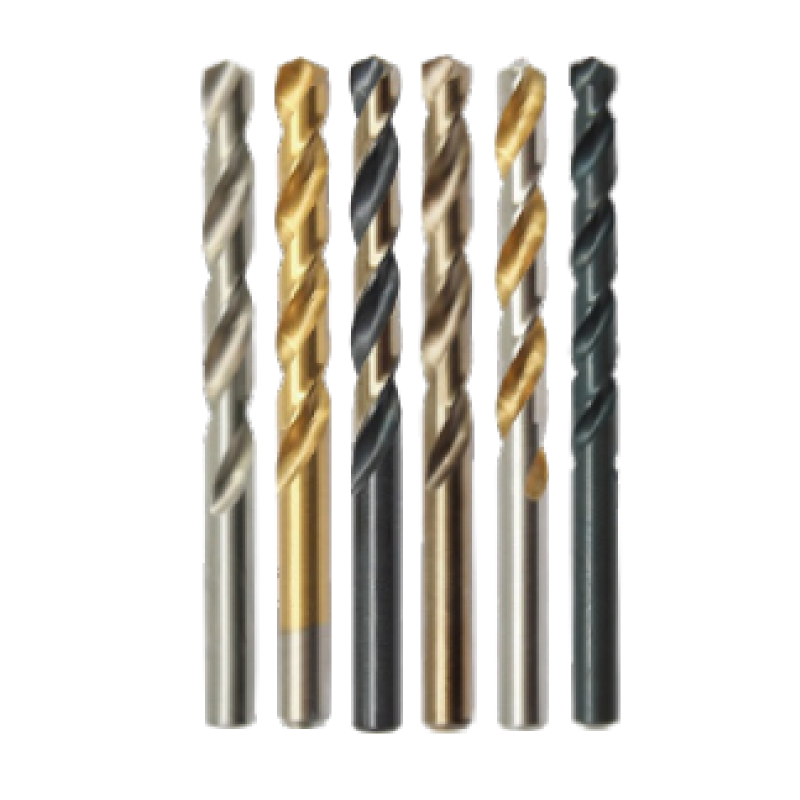
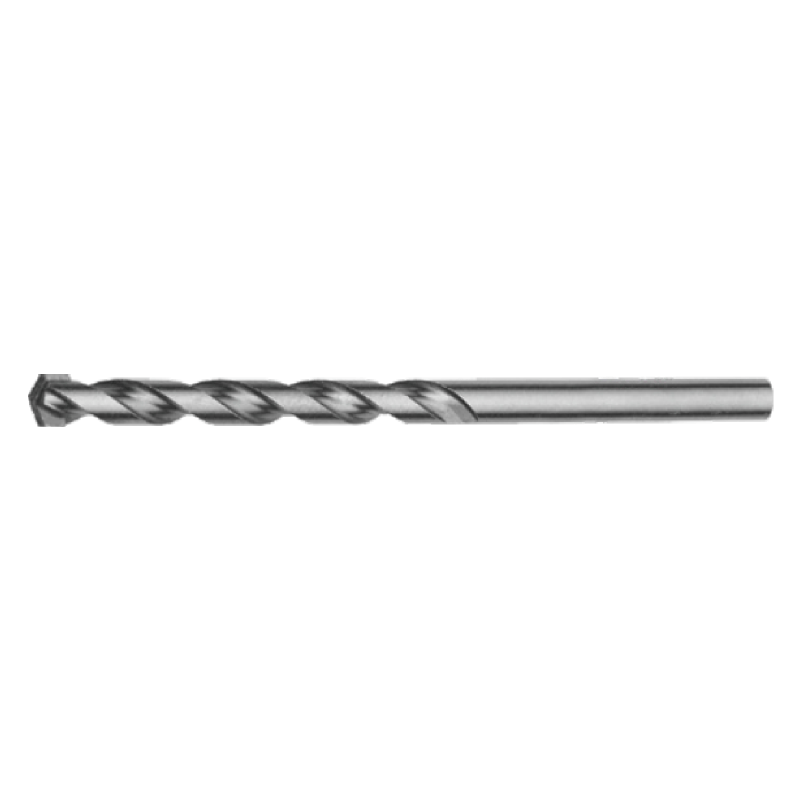
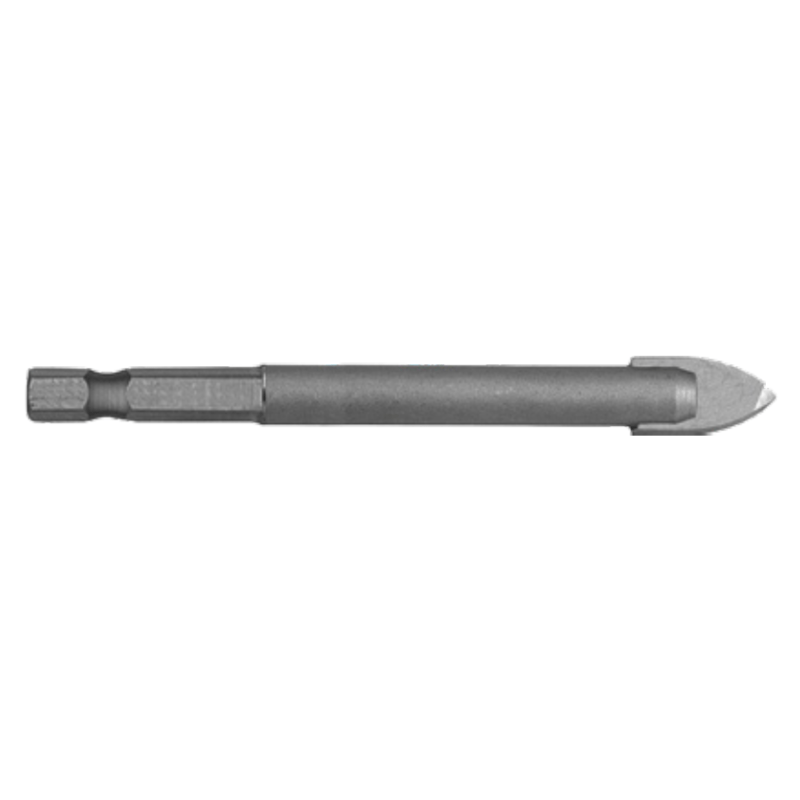
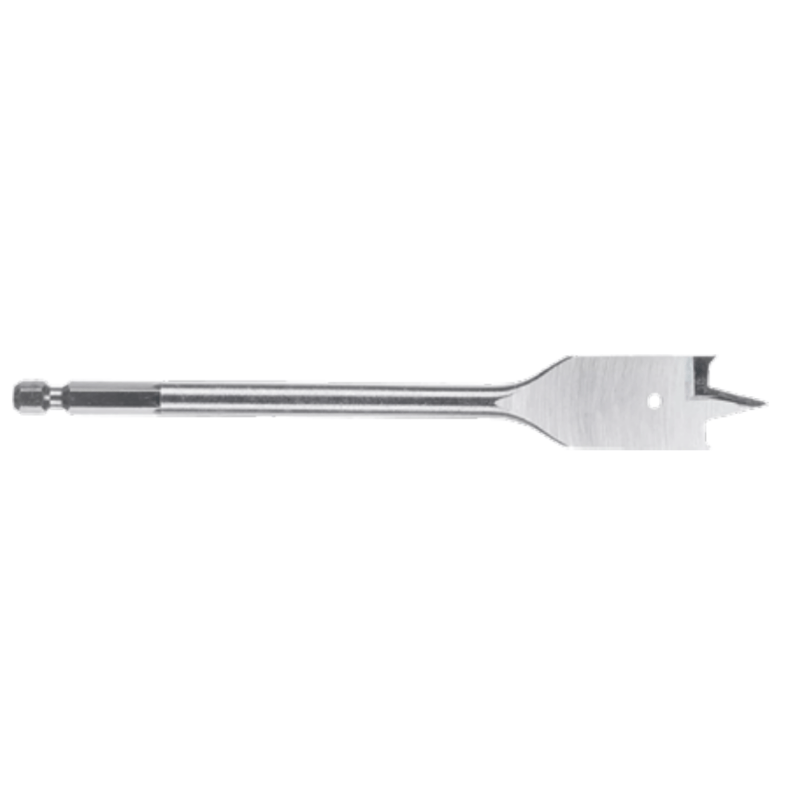
Повышенная твердость для сверления твердых материалов
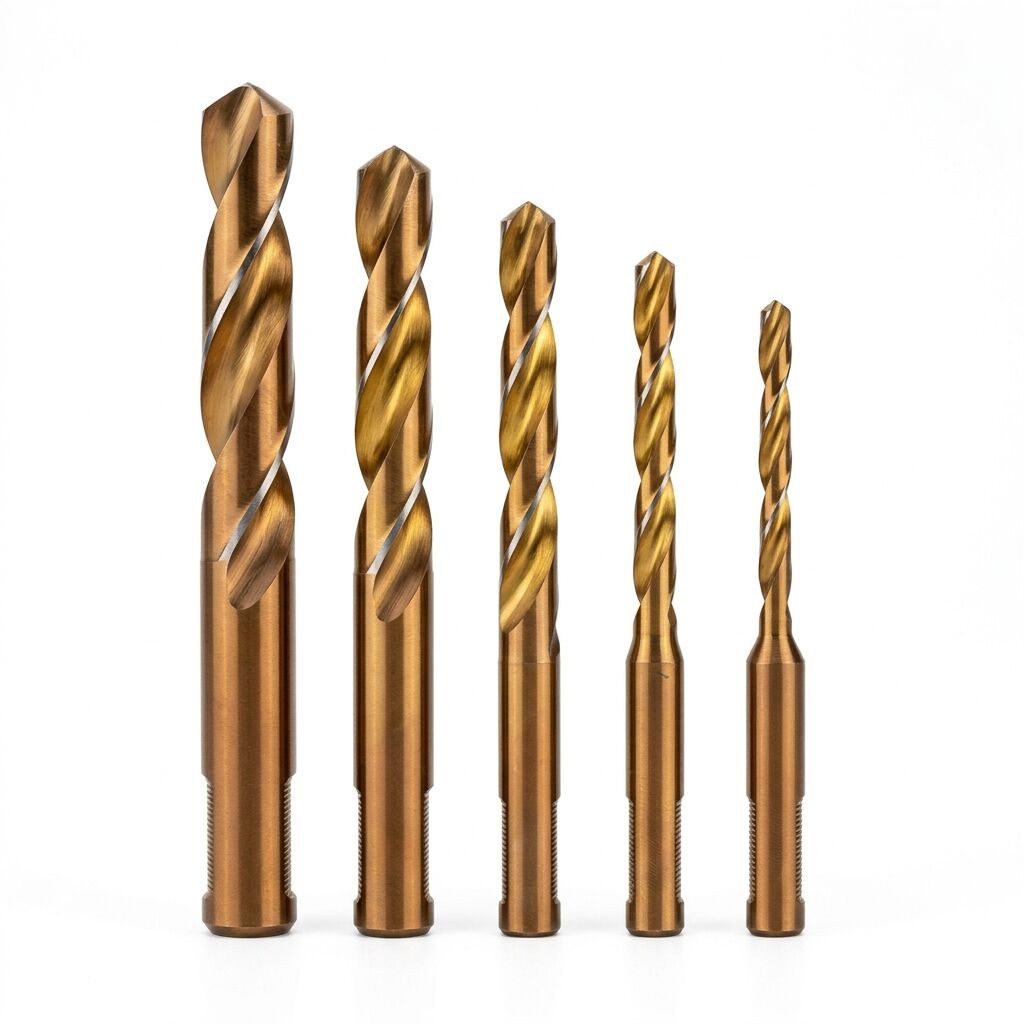
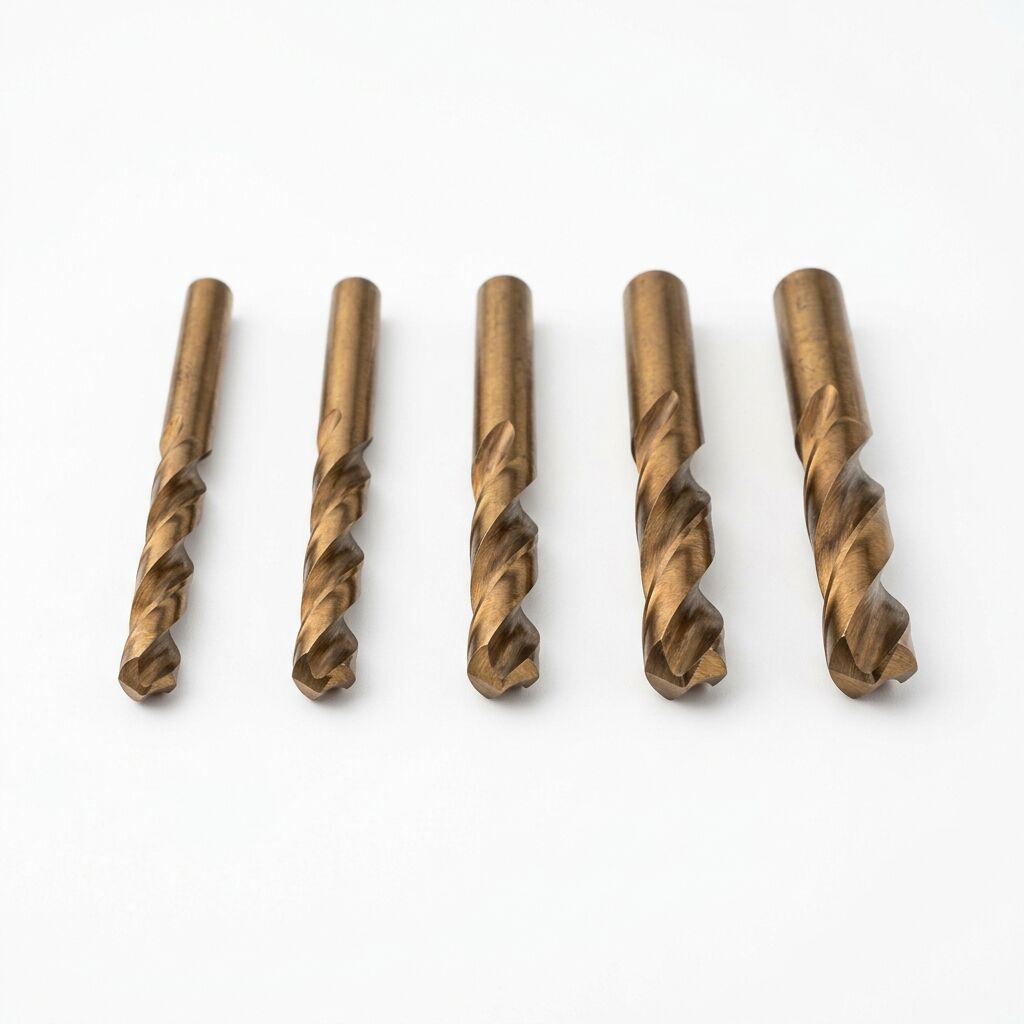
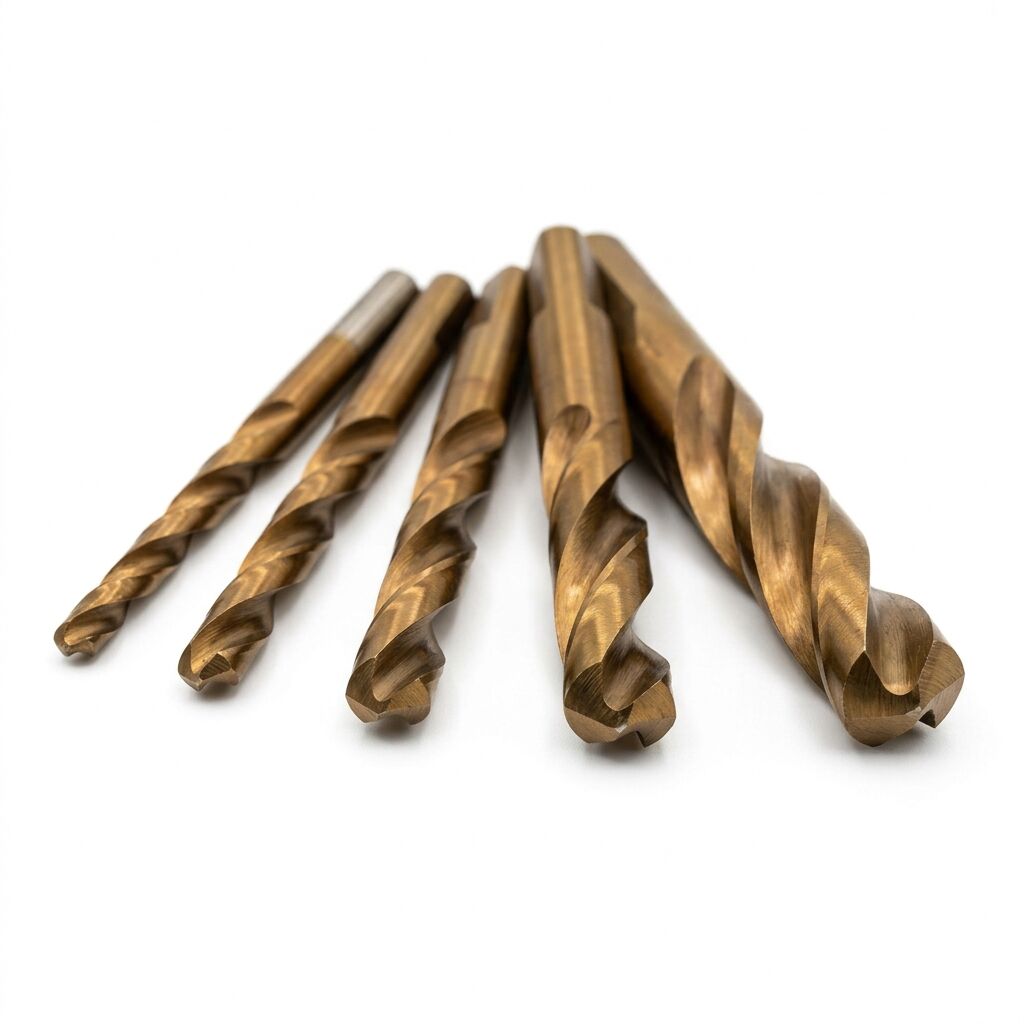
Сверла из быстрорежущей стали с добавлением кобальта обладают значительно повышенной твёрдостью по сравнению со стандартными сверлами из быстрорежущей стали; это свойство оказывается крайне важным при решении самых сложных задач сверления в современных областях металлообработки и строительства. Добавление кобальта в сплав повышает показатель твёрдости по Роквеллу материала сверла, достигая, как правило, значений в диапазоне 65–70 HRC — что существенно превышает диапазон 60–63 HRC у обычных сверл из быстрорежущей стали. Повышенная твёрдость позволяет режущим кромкам проникать в материалы, которые либо сопротивляются обработке, либо отклоняют сверло, либо быстро тупят более мягкие инструменты. При работе с наклёпанными марками нержавеющей стали, пружинной сталью, инструментальной сталью или титановыми сплавами превосходство твёрдости сверл из быстрорежущей стали с кобальтом становится очевидным сразу: они начинают резание там, где обычные сверла просто скользят по поверхности или выделяют чрезмерное количество тепла без заметного съёма материала. Практические преимущества выходят за рамки возможности сверления более твёрдых материалов: повышенная твёрдость также повышает эффективность сверления при обработке материалов средней твёрдости, обеспечивая более высокие скорости проникновения и сокращение циклов обработки. Производственные операции получают огромную выгоду от этого свойства: сверление таких материалов, как сталь марки 4140, инконель или закалённые детали, проходит гладко и без постоянной замены свёрл, с которой сталкиваются предприятия, использующие стандартный инструмент. Преимущество твёрдости проявляется также в улучшении качества отверстий: более твёрдые режущие кромки дольше сохраняют свою геометрию, обеспечивая получение отверстий с постоянным диаметром и улучшенной шероховатостью поверхности на всём протяжении срока службы сверла. Такая стабильность особенно важна в прецизионных применениях, где требования к допускам предполагают строгое соответствие отверстий заданным спецификациям. Аэрокосмическая и автомобильная промышленность, где сверление высокопрочных сплавов является повседневной задачей, полагаются на твёрдостные характеристики сверл из быстрорежущей стали с кобальтом для соблюдения графиков производства и поддержания требуемых стандартов качества. Повышенная твёрдость обеспечивает также лучшую стойкость к абразивному износу, что делает такие свёрла пригодными для обработки композитов, стеклопластиков и других абразивных материалов, которые быстро разрушают менее твёрдые инструменты. Пользователи, работающие со слоистыми материалами — например, при сверлении стальных листов с окалиной или при сверлении арматуры, залитой в бетон, — ценят твёрдость сверл из быстрорежущей стали с кобальтом как неотъемлемое условие сохранения режущих свойств даже при встрече с участками различной плотности материала. Свойство твёрдости действует синергетически с термостойкостью: сверло сохраняет твёрдость режущей кромки даже под воздействием тепловых нагрузок при интенсивных режимах работы, гарантируя сохранение эксплуатационных преимуществ на протяжении длительных операций сверления, а не только в начальный период использования.
 EN
EN