

Get a Free Quote

Our representative will contact you soon.
Email
Mobile
Name
Company Name
Message
0/1000
Industries
Home> Industries

GARDENING

GARDENING
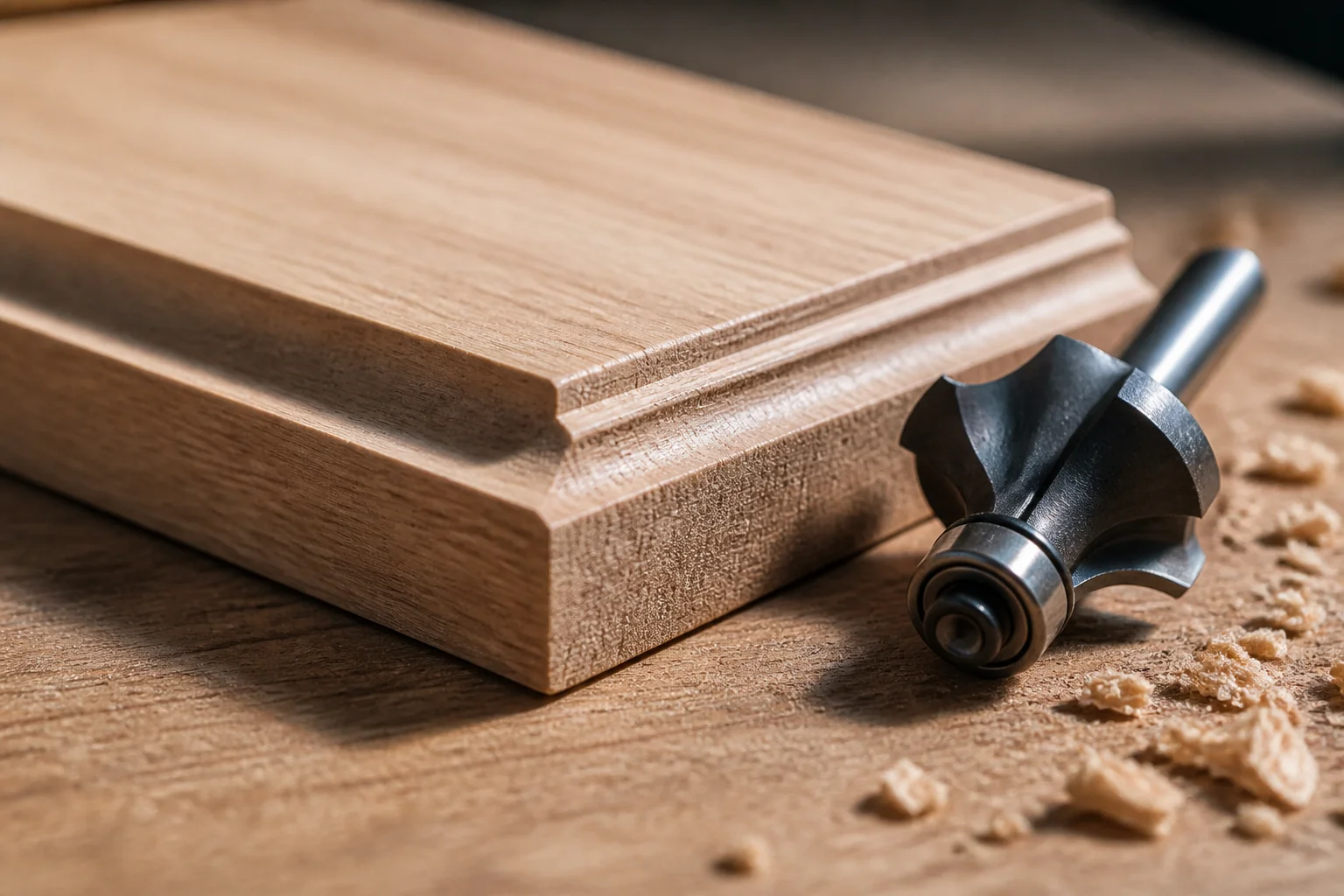
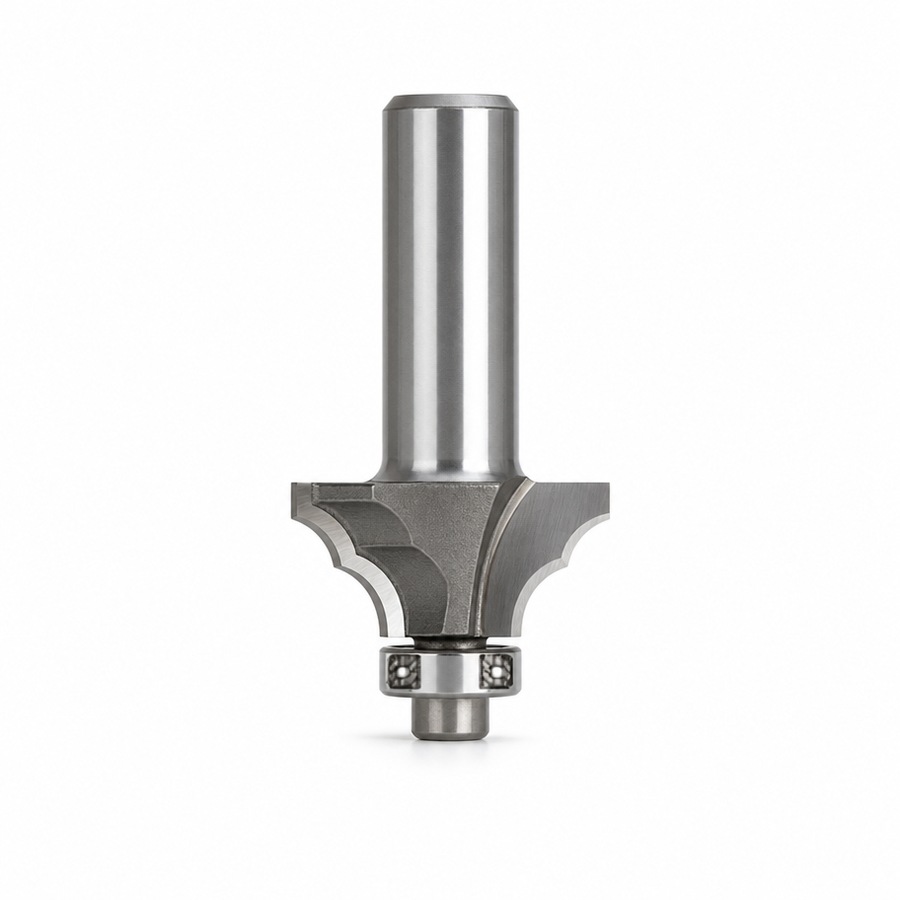
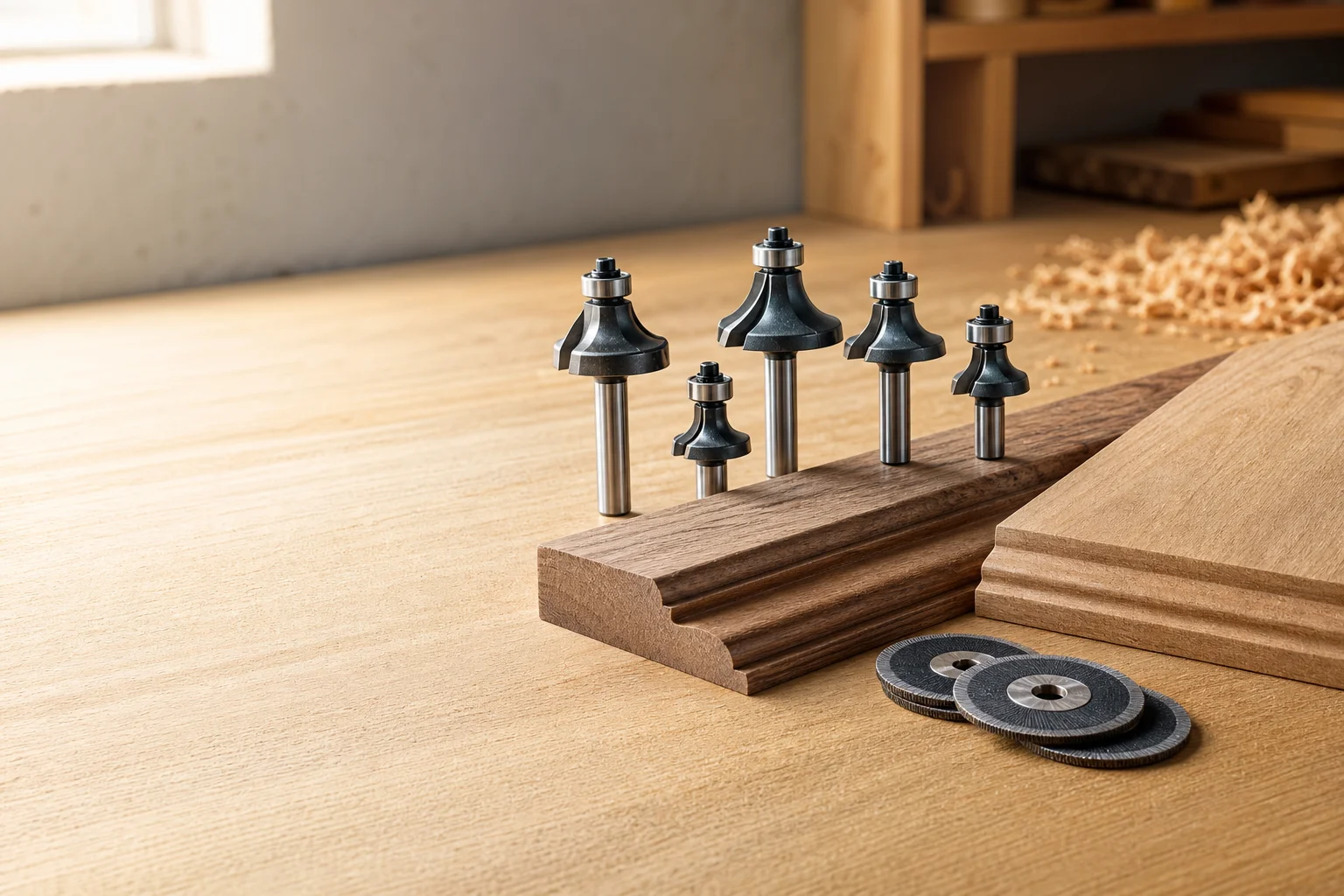
Workshop bench with bearing-guided router bits standing on a routed hardwood moulding beside mini cutting discs
Gardening

Retail-packed garden tool accessories built to hold their drive fit through a season

A garden bit set is judged by its drive fit in week one and returned by week three.

Get a Quote in 24 h Request a Free Sample

Garden tool accessories sell in a short seasonal window through retail chains that measure a supplier by sell-through and by returns, not by factory output. A set that cams out of a screw head during a customer's first weekend comes back as a unit return, and the margin on the pallet goes back with it. This page explains what determines that outcome, which product families answer each failure, and how a retail buyer's technical team can check the basis of what we state.

Industry snapshot

Four variables that decide the outcome

Four things decide whether a garden accessory line sells through or comes back to the returns cage: the tool the customer actually owns, the material in a domestic garden, the retail and product safety rules that apply, and the failure that produces a claim.

Main processing equipment
Cordless drill/drivers and impact drivers, corded and battery garden power tools, lawnmowers and brush cutters, small angle grinders used for blade and edge maintenance
Material being worked
Green and seasoned timber, wood-plastic composite decking and fencing, masonry and stone edging, aluminium and steel garden fittings, mower and brush-cutter blades
Key standards
EN ISO 5395 (combustion engine lawnmowers), EN 50636-2-100 (electrical garden equipment), ISO 11806-1 (portable brush cutters), ISO 4254-1 (agricultural machinery, general requirements), DIN 3126-C and ISO 1173 (hex drive interfaces), EN 12413 and EN 13743 (abrasive product safety)
Typical failure modes
Cam-out stripping screw heads, drive-end rounding during first use, blade temper drawn out by sharpening heat, masonry and tile tip fracture at the edge
Operating challenges

Three failures that cost lines money

Each challenge states what goes wrong, then the geometry or material decision that answers it.

Challenge 1

The drive fit decides returns, not the steel grade.

A retail accessory fails in a customer's hand, not on a factory bench, and the first failure is almost always the fit between the accessory and its holder. Where a hex shank sits loose in a domestic driver, the tool lifts out of the screw recess, the head strips, and the customer concludes the product is poor. The mechanism is a shank that has been tolerated by the driver rather than gauged to the interface, and it appears in the first weekend of the season.
Amsuo response

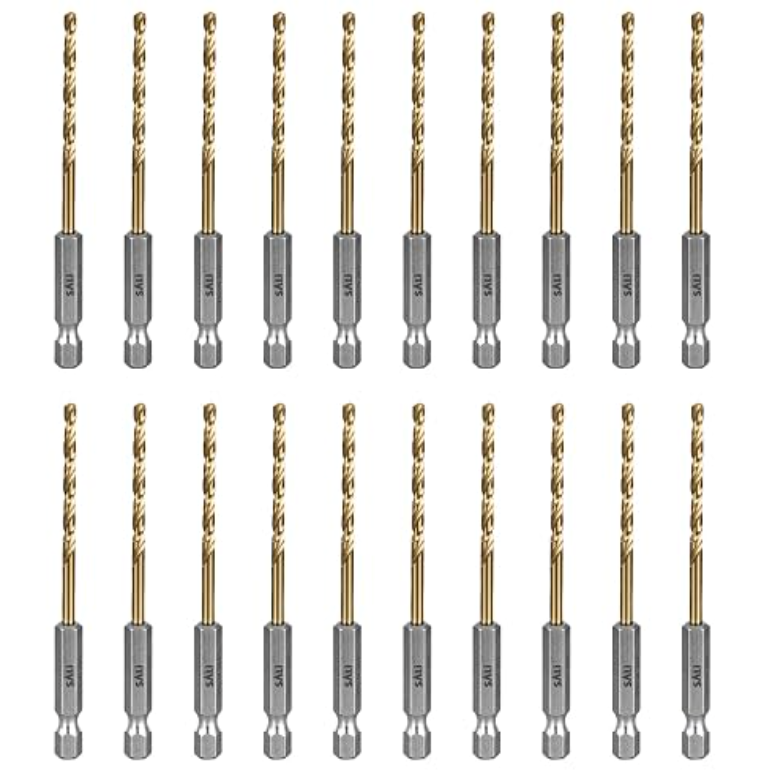
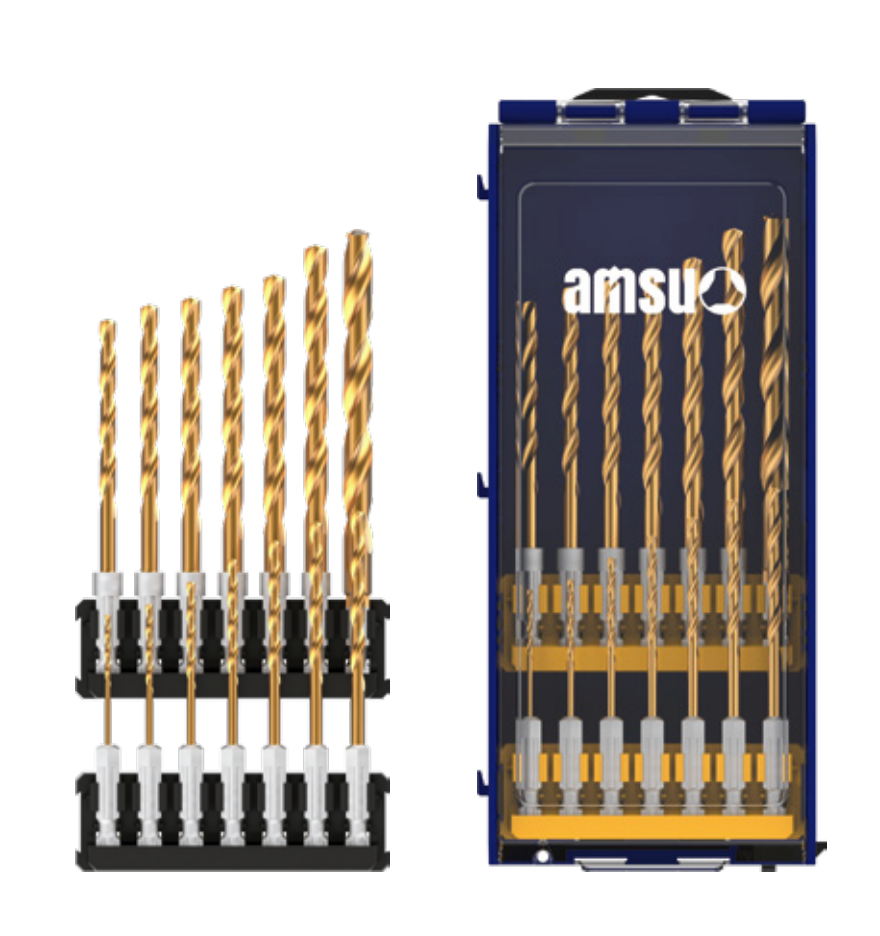
loose drive fit → Quick Change Hex Shank Drill Bits and Screw Driver Bits gauged to the hex interface.

Shank across-flats and corner geometry are controlled to the DIN 3126-C and ISO 1173 interface and gauged after heat treatment, so the accessory seats in the holder without rock instead of being tolerated by the driver. Our adaptive hex shank tool accessory design is the subject of a granted design patent, which is the mechanism behind the holder-side engagement rather than a marketing detail. Both the impact-rated and the hand-driver ranges are gauged to the same drive standard, because a loose fit costs the same in either line.
Challenge 2

Composite decking and softwood strip screw heads.

Wood-plastic composite and soft timber need a drive geometry that suits them: too shallow and the tool climbs out of the recess, too aggressive and the recess strips before the screw seats. A stripped recess costs a screw, a fresh hole and sometimes a board, and once the customer has to remove a damaged screw from a finished deck the return is effectively decided.
Amsuo response

stripped screw heads → Screw Driver Bits with drive geometry selected per screw type.

The cross and slot geometry is ground rather than forged, so the driving flanks sit at the intended angle and turn the fastener through its flanks rather than through its crown. Where the application is composite decking or soft timber, geometry is selected for that material rather than for metal, and retail sets are kitted to match — a deck-building set does not carry the same profile mix as a flat-pack furniture set.
Challenge 3

Sharpening heat draws the temper from a blade edge.

A customer who re-sharpens a mower blade or a brush-cutter edge on a bench grinder with a disc of the wrong specification burns the edge and removes the hardness that made it cut. The edge then rounds quickly in use, the tool is returned as blunt, and the failure is attributed to the blade rather than to the sharpening. An abrasive that sheds grain instead of holding heat in the workpiece changes that outcome.
Amsuo response

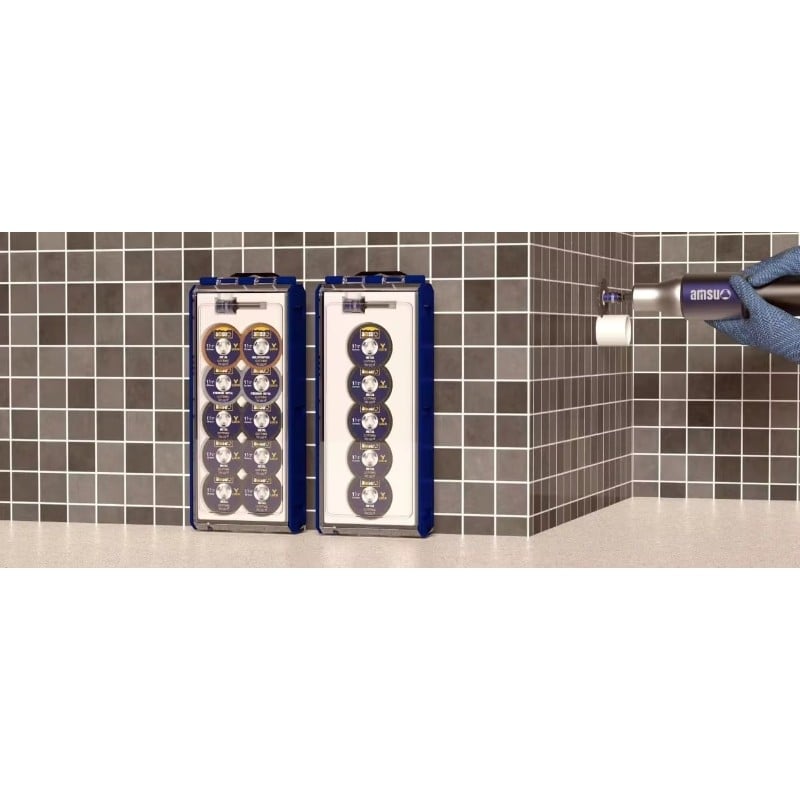
drawn temper on blade edges → Mini-Cutting Discs for garden tool maintenance.

Discs are specified by grain and bond so the abrasive sheds grain and carries heat away from the contact instead of driving it into the workpiece, which keeps the blade edge below the temperature at which its hardness is lost. Because the sharpening practice matters as much as the disc, the intended technique is stated per disc type, and the retail pack for maintenance products carries that guidance for the consumer.The three responses answer different claims and are not interchangeable. A correctly gauged shank still strips a softwood recess if the geometry is wrong for timber, and a disc chosen for blade maintenance does nothing for the fit of a bit in a holder.
Macro view of a finished routed hardwood moulding profile beside a bearing-guided router bit
Product families

The families that map to this application

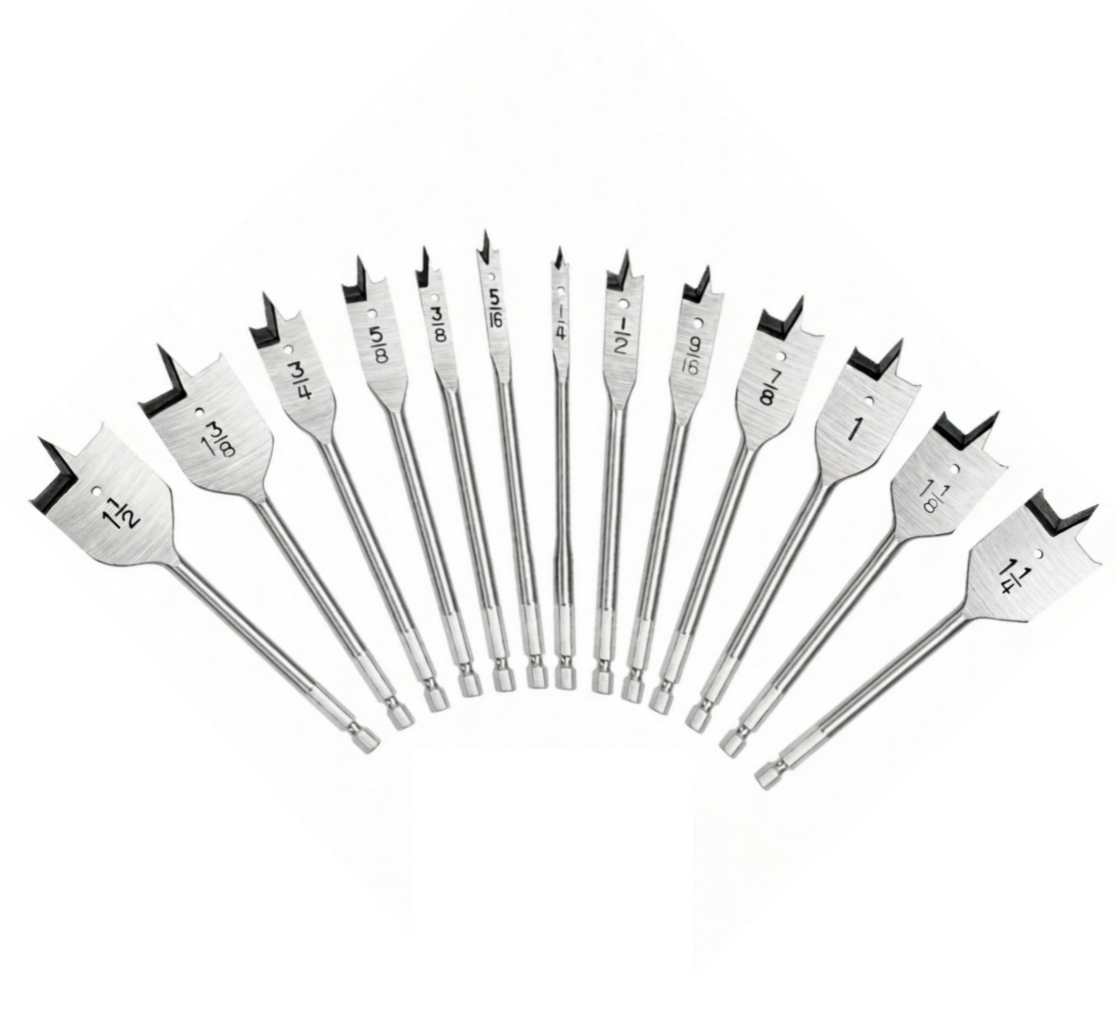
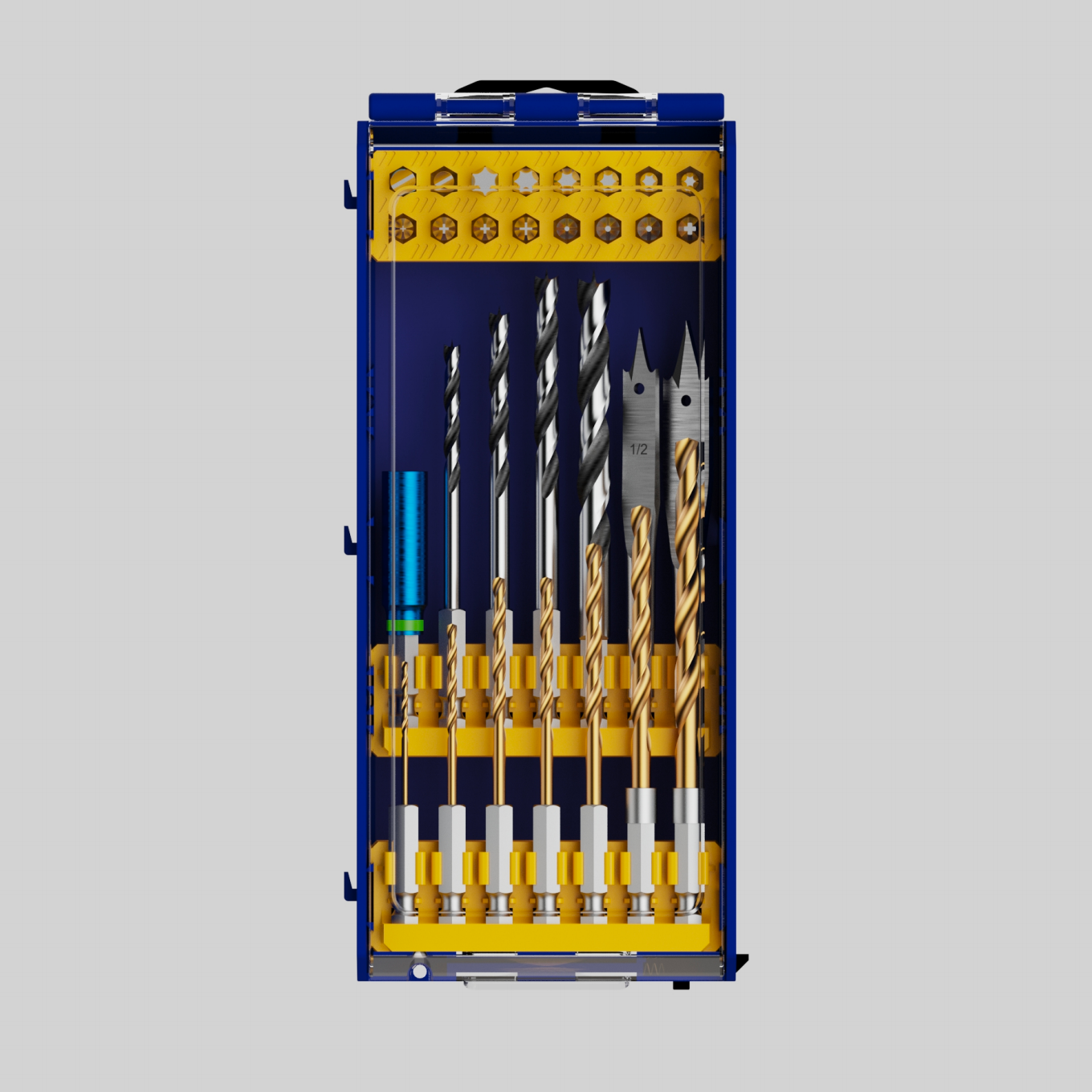
Quick Change Hex Shank Drill Bits

Quick Change Hex Shank Drill Bits

Fast bit changes on deck, fence and trellis work with one driver

Answers: Shank loosening in the holder and cam-out at the screw head

Standard: DIN 3126-C

Screw Driver Bits

Screw Driver Bits

Driving fixings into timber, composite and fittings

Answers: Stripped and rounded screw recesses in soft material

Standard: ISO 1173

Drill & Driver Combination Sets

Drill & Driver Combination Sets

Single retail sets covering drilling and driving in one pack

Answers: A set that covers only part of the job the customer starts

Standard: ISO 1173

Drill Sets

Drill Sets

Multi-diameter retail packs for general garden and household work

Answers: Repeat purchases caused by a set that runs out of sizes

Standard: DIN 338

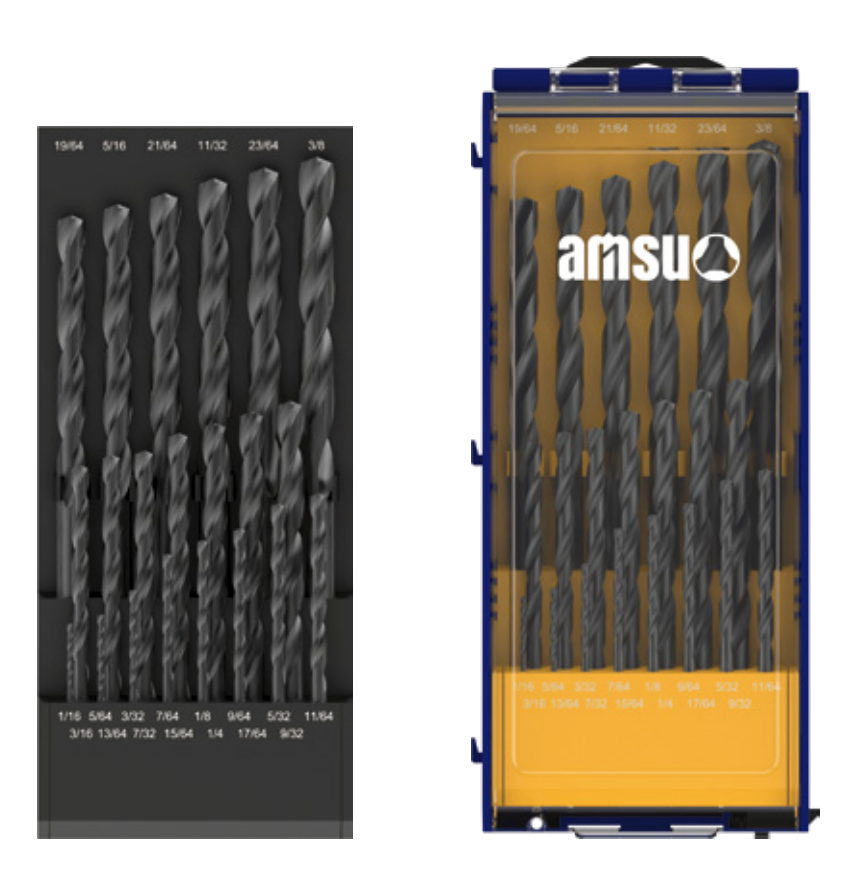
Wood Working Drill Bits

Wood Working Drill Bits

Pilot and clearance holes in softwood, hardwood and composite

Answers: Tear-out and split in timber and composite board

Standard: DIN 338

Router Bits for Wood

Router Bits for Wood

Profiling deck boards, edge rounding and hinge or latch recesses — part numbers in this family include AM014, AM016, AM029, AM031, AM037, AM045 and AM051

Answers: Rough or burned edges where a profile has to look finished

Standard: ISO 1101

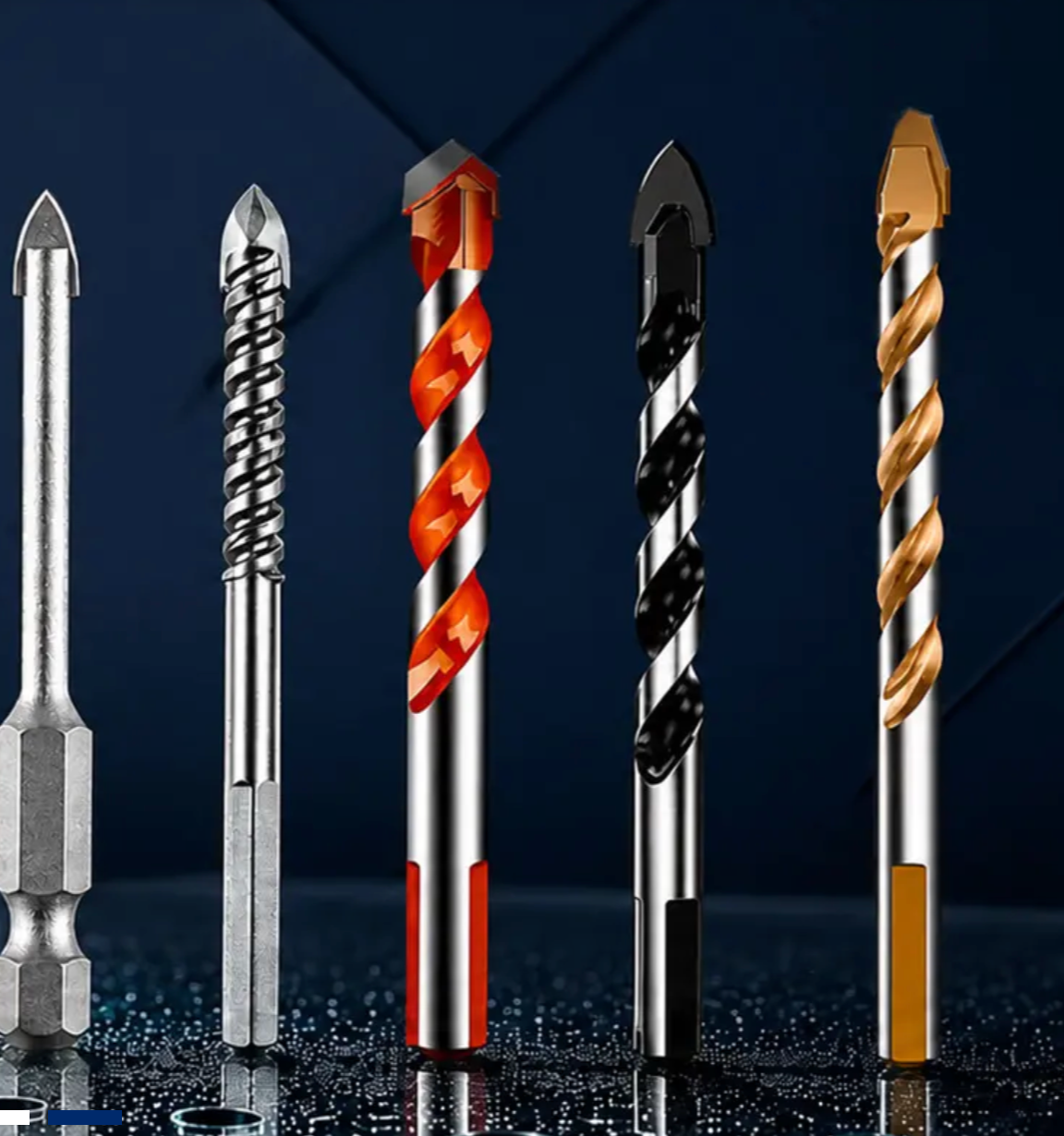
Glass and Tile Bits

Glass and Tile Bits

Drilling tile and stone edging for fixings and plant supports

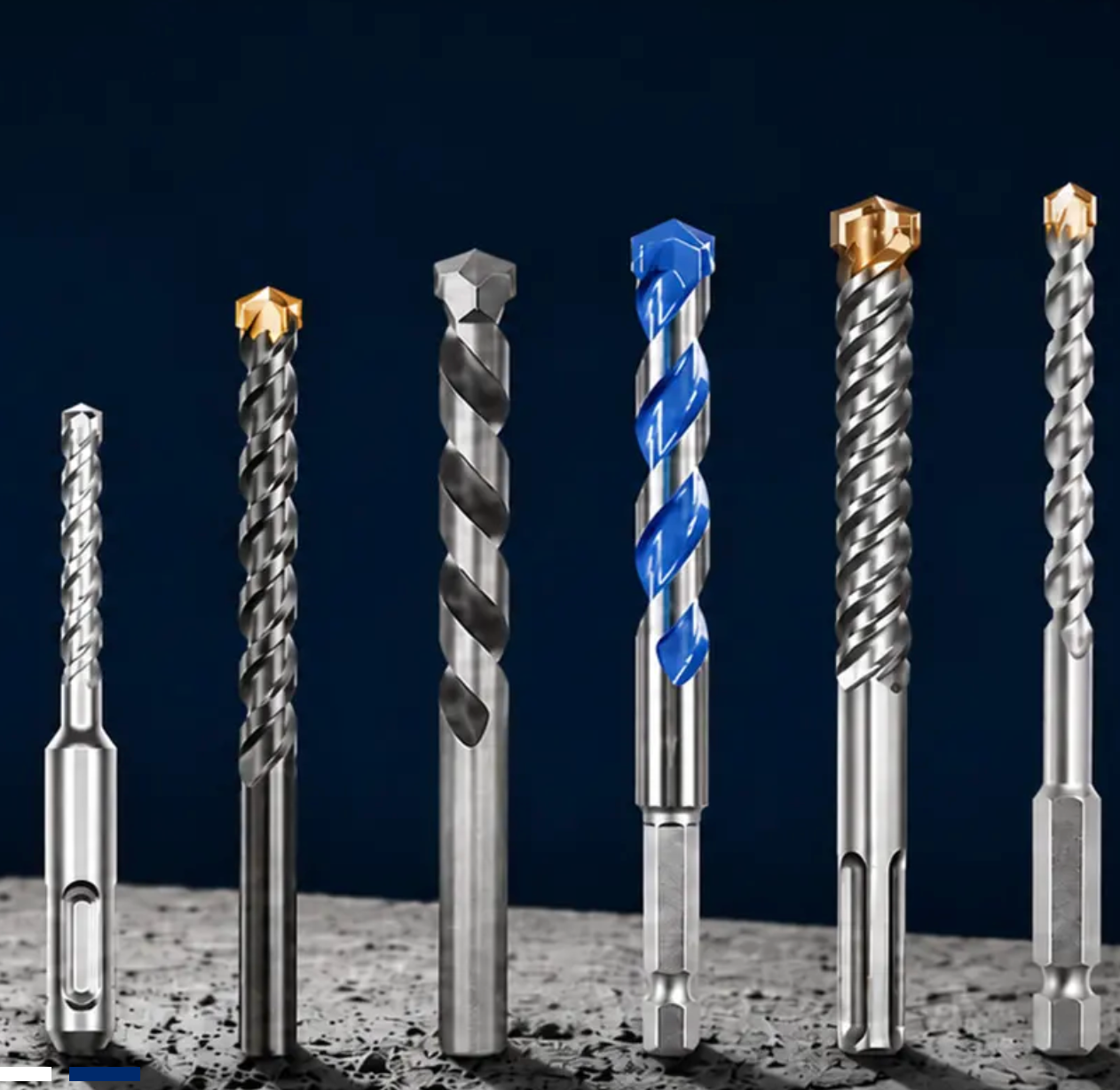
Answers: Tip fracture at the edge of a hard, brittle material

Standard: EN 12413

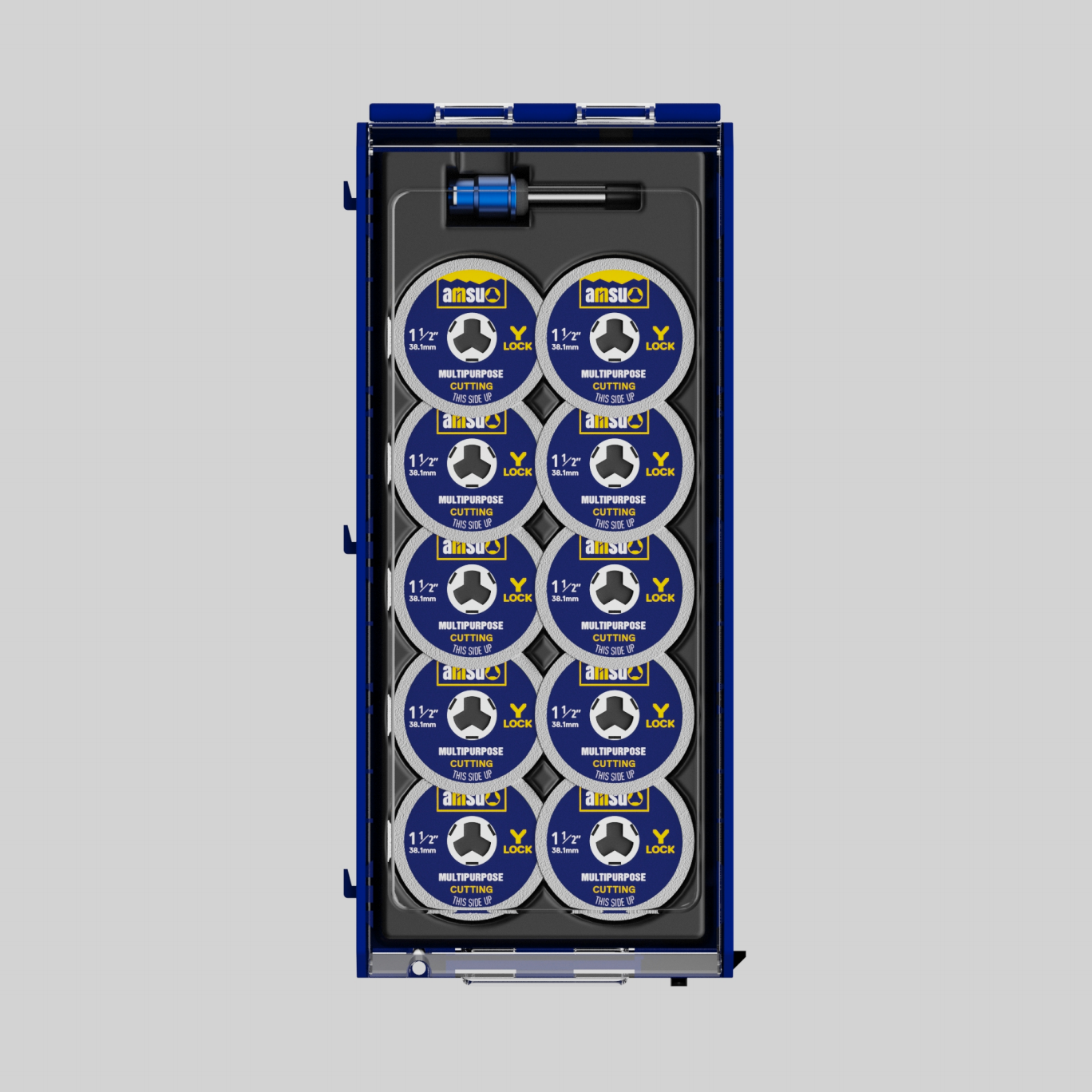
Mini-Cutting Discs

Mini-Cutting Discs

Sharpening and rust removal on blades, edges and garden tools

Answers: Blade hardness lost to sharpening heat

Standard: EN 13743

Standards & specification

The numbers behind the claims

The table names the parameter, the standard that fixes it, and why a plant's quality function checks it.

Parameter Reference standard What the standard fixes Why the buyer checks it
Hex drive interface DIN 3126-C Dimensions and tolerances of the hex drive for screwdriver and drill accessories Confirms the accessory fits the drivers the customer owns
Hex drive interface, international ISO 1173 Dimensions for hexagon drive ends and driving squares Gives one interface language across supplier and buyer
Combustion lawnmower safety EN ISO 5395 Safety requirements for combustion engine powered lawnmowers Confirms blade and maintenance accessories support a compliant machine
Electrical garden equipment safety EN 50636-2-100 Safety of electrical garden equipment Confirms accessories used with corded and battery tools are appropriate
Portable brush cutter safety ISO 11806-1 Safety requirements for portable handheld brush cutters Confirms cutting and edge-maintenance accessories suit these tools
Agricultural machinery, general ISO 4254-1 General safety requirements for agricultural machinery Provides the general framework the garden machinery range sits under
Bonded abrasive safety EN 12413 Safety requirements, marking and permissible speed for bonded abrasives Verifies a disc may be run on a domestic grinder
Coated abrasive safety EN 13743 Safety requirements for coated abrasive products Verifies the coated products in a retail pack are marked and rated correctly
Twist drill dimensions DIN 338 Nominal diameter, shank and flute proportions of a standard twist drill Confirms the drill sizes in a set match the customer's chuck
Hardness testing ISO 6508-1 The Rockwell test method and reporting requirements Gives one hardness scale for comparing accessory lots
Corrosion testing ISO 9227 The neutral salt-spray test method Provides a shared basis for corrosion claims on outdoor accessories
How we verify

Organised around method, not around a published figure

Retail accessories are judged in a customer's hands, so verification is described here by method category. Measured values belong to the specific part and batch and travel with the batch record.

Dimensional verification concentrates on the interface, because that is where most claims begin: hex shank across-flats and drive geometry are gauged to DIN 3126-C and ISO 1173 before and after heat treatment, so hardening does not silently take the shank outside its fit. Cutting diameters and flute geometry are checked against the drawing, and run-out is expressed as a geometrical tolerance under ISO 1101 rather than as an approximation. Where a drawing states no individual tolerance for a feature, the ISO 2768 default applies.

Hardness and heat-treatment condition are examined using the standardised method of ISO 6508-1 on the material concerned, which keeps results comparable between lots. Where a product relies on a hard driving end and a toughened body, both conditions are reviewed together, since a single reading does not describe how the part behaves when a driver cams over.

Drive performance is assessed through the mechanism rather than through an appearance check: seat and rock in the holder, engagement of the driving flanks in the recess, and behaviour of the driving end under repeated cycles. Abrasive products in the range are checked against the applicable safety requirements, EN 12413 for bonded products and EN 13743 for coated products, and marking and maximum speed are reviewed so that the pack information matches the product.

Surface finish and corrosion protection are assessed as treatment outcomes, including condition after plating, coating or blasting, with where applicable a comparative salt-spray check to the ISO 9227 method. Retail pack integrity, including hanging features and marking, is reviewed as part of the product rather than as packaging. Traceability is maintained at batch level, so a delivered retail consignment can be linked to its material lot and the record that released it. Product safety testing against the machinery standards of the range, and destructive work such as torque to failure, is arranged on request, with the method and the condition tested stated with the result. Capabilities not held in house are identified as such.

Customization & delivery

Three levels of engagement, one sequence

Customisation is offered at three levels, and for retail the pack is part of the product rather than an addition to it.

Level 1 — private label
Your brand applied to qualified tooling. Artwork and pack change; the tooling does not, so a previous listing approval or product test on that item remains valid.
Level 2 — specification and packaging change
Pack counts, retail-ready cards, hang tags, barcode and label compliance, and planogram-friendly dimensions, together with agreed changes to coating or to shank tolerance. Kitting and pack composition belong to this level, because the mix of sizes inside a set is a retail decision as much as a manufacturing one.
Level 3 — sample- and drawing-driven development
New tooling from your sample or drawing, with a manufacturing review returned before production tooling is cut. This is the route taken for a set built around one promotion or around a proprietary screw system used by one brand of furniture or decking.The sequence is consistent: requirement review, drawing or sample interpretation, manufacturing review, tooling, first-article inspection, approval, then production. Minimum quantities and delivery dates are quoted per project, because both follow from tooling count, pack construction and artwork requirements rather than from a fixed published figure. For seasonal programmes we agree the schedule against the retail delivery window at quotation, and state whether that window is achievable rather than leaving it to be discovered later.
Buyer questions

What purchasing teams ask first

How is a retail accessory set priced?

By accessory count, steel grade, drive geometry, coating, heat-treatment route and the pack itself — card, blister, artwork and kitting labour are part of unit cost rather than overhead. Send the pack count and the target price point and we quote against a specified grade.

Can the pack be built to suit our shelf?

Yes. Card format, hanging feature, pack counts and the size mix inside a set are agreed at Level 2, and planogram dimensions are confirmed before artwork is finalised so a listing is not delayed by a packaging dimension.

Can we assess samples ahead of the season?

Yes. Samples are supplied with retail pack and the relevant inspection record, and for seasonal lines we recommend sampling well before the delivery window rather than inside it. Where the intended use is composite decking or stone, telling us that shapes the geometry recommendation.

What accompanies a shipment?

A batch inspection record covering the characteristics agreed for the part, plus material certificates for steel lots where they apply. Product safety and salt-spray results are available for a named family on request.

Can you match the hardness of our current supplier's bits?

Send a sample and we will assess the condition of the driving end and confirm whether an equivalent or a different treatment suits your application. We will say when an exact match is not the right answer, because a harder driving end is not automatically a better one.

Ready to specify it?

Send the pack configuration, the target price point and the season you are buying for, and we will respond with a product family recommendation and a quotation against it. If you would rather assess samples first, request a free sample and tell us which material the set will be used on.

Get a Quote in 24 h Request a Free Sample

Get a Free Quote

Our representative will contact you soon.
Email
Mobile
Name
Company Name
Message
0/1000